THE ADVENTURE COLLECTIVE® · Independent discovery and booking for outdoor travel

A close encounter with two giants of British landscape painting: Turner’s dramatic atmospheres beside Constable’s intimate cloud studies. Plan 30–60 minutes and book timed entry to make the most of this focused exhibition.
A close encounter with two giants of British landscape painting: Turner’s dramatic atmospheres beside Constable’s intimate cloud studies. Plan 30–60 minutes and book timed entry to make the most of this focused exhibition.
Stepping into Tate Britain for the Turner and Constable exhibition feels like entering two overlapping worlds of weather and light. The galleries quiet the city; the air carries a hint of varnish and the soft scrape of footsteps as visitors move between luminous seascapes and cloud studies. West-facing windows and controlled gallery light make cloud studies and sunset scenes read differently at each turn—one room hums with Turner’s swelling skies, the next with Constable’s close, studied air.
Verified experiences and guided adventures in the surrounding area.
Operated by Tate · London, England
Stepping into Tate Britain for the Turner and Constable exhibition feels like entering two overlapping worlds of weather and light. The galleries quiet the city; the air carries a hint of varnish and the soft scrape of footsteps as visitors move between luminous seascapes and cloud studies. West-facing windows and controlled gallery light make cloud studies and sunset scenes read differently at each turn—one room hums with Turner’s swelling skies, the next with Constable’s close, studied air.
Curated to mark the painters’ parallel births in the 1770s, the show frames their rivalry as a clash of methods: Turner’s restless travel-inspired canvases pushing the limits of color and atmosphere, Constable’s exacting observations of the English countryside and cloud formations. Expect sketchbooks, personal items, and later works that influenced the Impressionists, alongside Constable’s expressive plein-air studies that map changing weather.
Practicalities matter here: the exhibition is compact—plan 30–60 minutes—accessible to all fitness levels and wheelchair friendly. Buy timed tickets in advance to avoid queues; peak mid-day sees the largest crowds. Photography rules vary by object—non-flash photography is commonly allowed but obey signage. Combine your visit with a riverside walk along Millbank or a short tube ride to Westminster for a full-day cultural loop.
For those who want more than paintings, study the sketchbooks closely: they reveal process, corrections, and the weather’s role in composition. Leave time for the museum shop and a coffee stop; the catalogue makes a useful companion to the show.
easy.
30–60 minutes.
Suitable for all mobility and fitness levels; galleries are flat but may require standing.
Plan 30–60 minutes for the exhibition itself; allocate additional time for the permanent collection, shop, or nearby walks.
Yes—Tate Britain and this exhibition are wheelchair accessible with step-free routes and accessible facilities.
Photography policies vary by artwork; non-flash photography is often allowed but obey posted signs and staff instructions to protect works.
Standard policy allows a full refund if cancelled at least 24 hours before the scheduled time; check the ticket provider for specifics.
The exhibition marks 250 years since Turner and Constable’s births and examines how their differing backgrounds—Turner’s urban ascent and Constable’s Suffolk roots—shaped British landscape painting.
The gallery enforces no-flash rules and climate control to preserve works; support the museum by following guidelines and considering the catalogue or donations.
Tate operates guided outdoor trips and adventures with an emphasis on safety, stewardship, and memorable experiences.
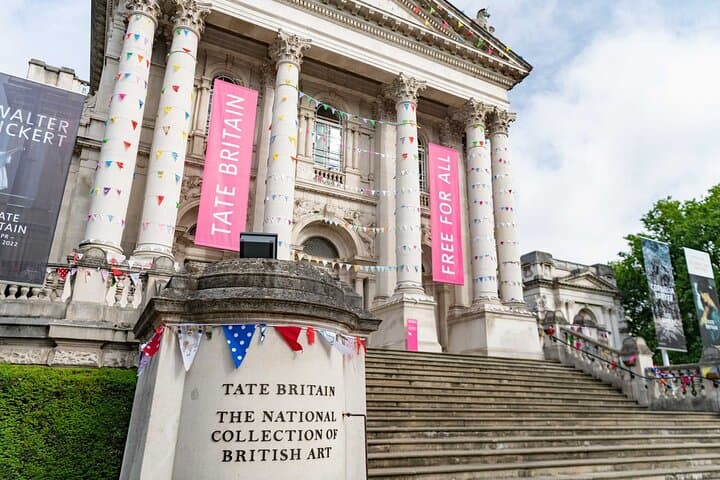
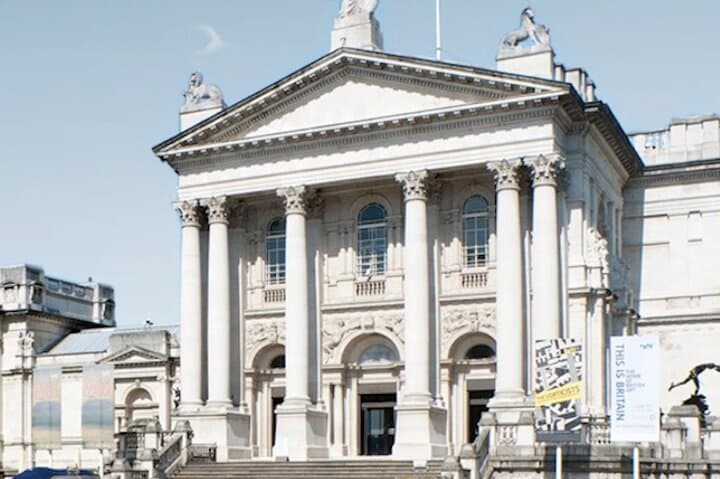
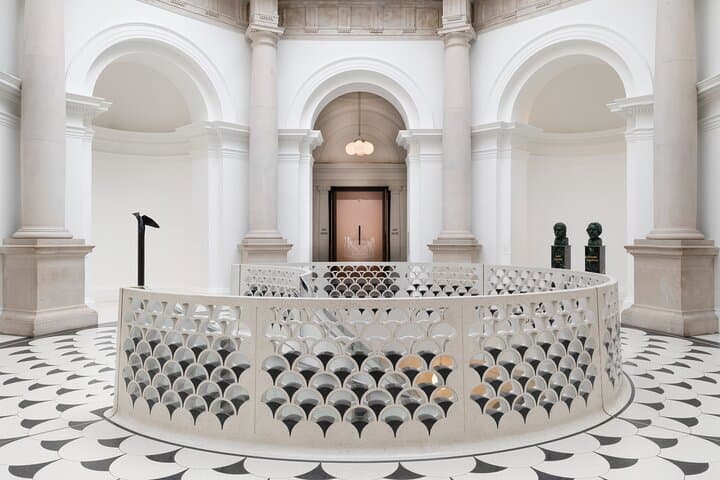
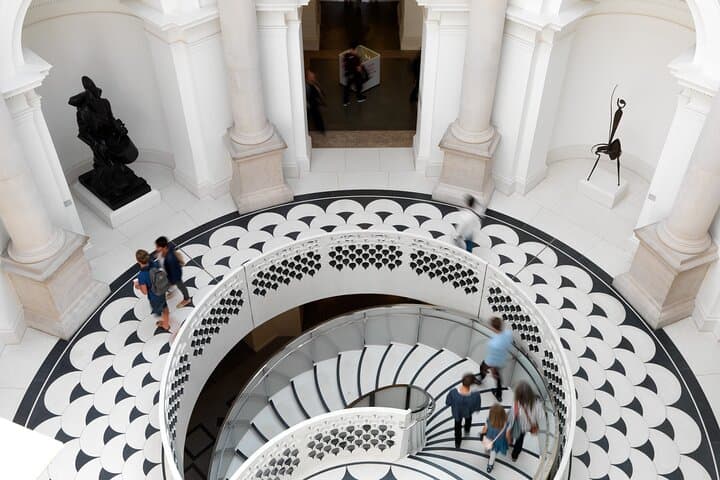
Stepping into Tate Britain for the Turner and Constable exhibition feels like entering two overlapping worlds of weather and light. The galleries quiet the city; the air carries a hint of varnish and the soft scrape of footsteps as visitors move between luminous seascapes and cloud studies. West-facing windows and controlled gallery light make cloud studies and sunset scenes read differently at each turn—one room hums with Turner’s swelling skies, the next with Constable’s close, studied air.
Stepping into Tate Britain for the Turner and Constable exhibition feels like entering two overlapping worlds of weather and light. The galleries quiet the city; the air carries a hint of varnish and the soft scrape of footsteps as visitors move between luminous seascapes and cloud studies. West-facing windows and controlled gallery light make cloud studies and sunset scenes read differently at each turn—one room hums with Turner’s swelling skies, the next with Constable’s close, studied air.
Curated to mark the painters’ parallel births in the 1770s, the show frames their rivalry as a clash of methods: Turner’s restless travel-inspired canvases pushing the limits of color and atmosphere, Constable’s exacting observations of the English countryside and cloud formations. Expect sketchbooks, personal items, and later works that influenced the Impressionists, alongside Constable’s expressive plein-air studies that map changing weather.
Practicalities matter here: the exhibition is compact—plan 30–60 minutes—accessible to all fitness levels and wheelchair friendly. Buy timed tickets in advance to avoid queues; peak mid-day sees the largest crowds. Photography rules vary by object—non-flash photography is commonly allowed but obey signage. Combine your visit with a riverside walk along Millbank or a short tube ride to Westminster for a full-day cultural loop.
For those who want more than paintings, study the sketchbooks closely: they reveal process, corrections, and the weather’s role in composition. Leave time for the museum shop and a coffee stop; the catalogue makes a useful companion to the show.