THE ADVENTURE COLLECTIVE® · Independent discovery and booking for outdoor travel

Trace two thousand years of London from Covent Garden to Blackfriars on a focused two-hour walk. Expect Templar ruins, Dickensian alleys, Freemasons’ Hall, and the legal heart of the city—packed into a compact guided stroll.
Trace two thousand years of London from Covent Garden to Blackfriars on a focused two-hour walk. Expect Templar ruins, Dickensian alleys, Freemasons’ Hall, and the legal heart of the city—packed into a compact guided stroll.
You step out of Covent Garden Station into a London that still smells faintly of baking bread and diesel, the pavement a mix of modern paving and older, uneven flagstones. The tour moves briskly through Holborn’s lanes—streets where Saxons once trod and Victorian crowds once jostled—bringing together the city’s legal pomp, secretive lodges, and the grime that fueled Dickens’s novels.
Verified experiences and guided adventures in the surrounding area.
Operated by Historic London Tours · London, England
You step out of Covent Garden Station into a London that still smells faintly of baking bread and diesel, the pavement a mix of modern paving and older, uneven flagstones. The tour moves briskly through Holborn’s lanes—streets where Saxons once trod and Victorian crowds once jostled—bringing together the city’s legal pomp, secretive lodges, and the grime that fueled Dickens’s novels.
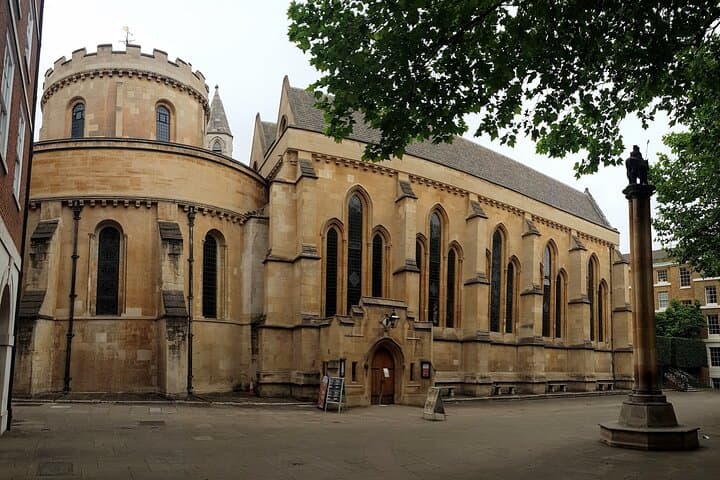
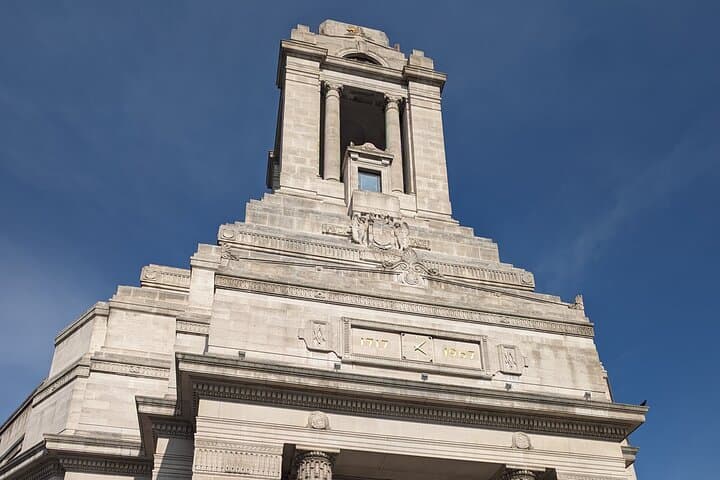
History is up close: hear how the Knights Templar shaped the Temple precinct, why Temple Church’s round nave matters, and how the Bow Street Runners prefigured modern policing. Architecture spans eras, from the 12th-century church fabric to Freemasons’ Hall’s 20th-century stonework and the steel-lined faces of the Royal Courts of Justice. Geologically, the walk follows the Thames’s historic edge across London Clay and alluvium—ground that directed settlement and where prisons like Newgate stood, a reminder of law and punishment.
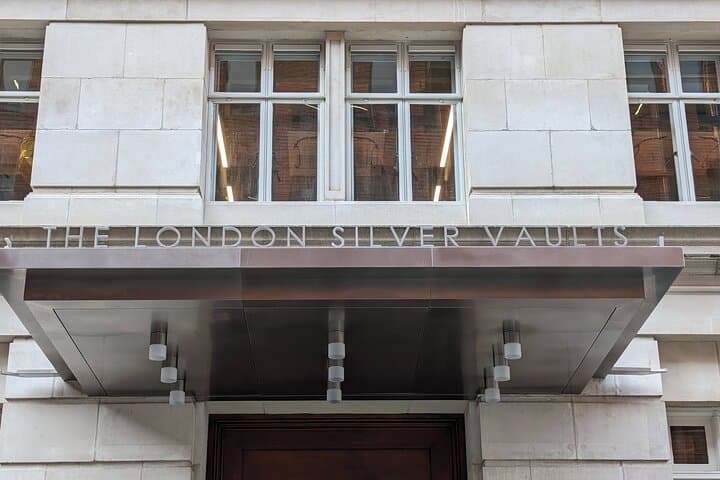
Cultural notes: Fagin’s den and the execution sites Dickens described are interpreted against crowded workhouses and the city’s commercial silver trade. Guides point out the last Inns of Chancery and the retail-silver collection, sketching the link between law, commerce, and urban poverty.
Practical guidance: the route is about two miles over mostly flat but uneven pavement—allow two hours. The group is capped at 15, so book early. Wear sturdy walking shoes, carry a rain layer and an Oyster or contactless card for return transport. Bring a small bottle of water and arrive 10 minutes early for a prompt start.
easy.
2 hours.
Suitable for most walkers who can cover about two miles at a steady pace; minimal elevation.
The tour starts outside Covent Garden Station and finishes near Blackfriars Station—plan to meet 10 minutes early.
Some sections use narrow sidewalks and have steps; contact the operator in advance to discuss specific access needs.
The route is about two miles and lasts roughly two hours at a steady, interpretive walking pace with stops for commentary.
Full refunds are available if you cancel at least 24 hours before departure; cancellations within 24 hours are not refundable.
This corridor traces Roman and medieval routes, the Temple precinct of the Knights Templar, and locations Dickens used to expose Victorian poverty.
Respect fragile historic fabric by staying on paved routes and avoiding graffiti; small-group tours help limit footfall in sensitive spots.
Historic London Tours operates guided outdoor trips and adventures with an emphasis on safety, stewardship, and memorable experiences.
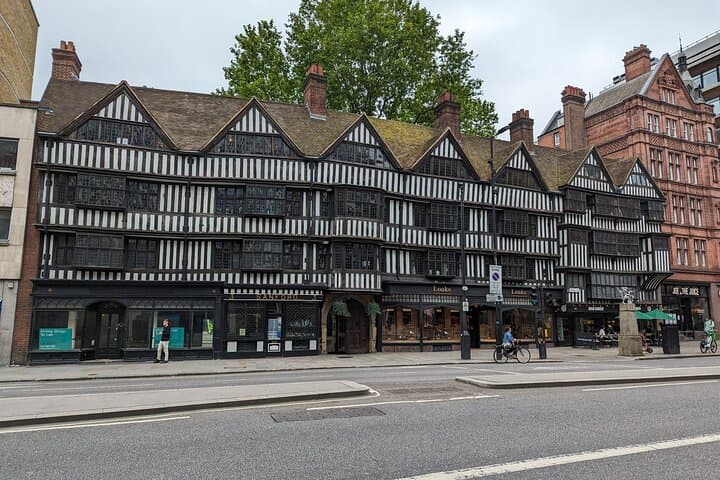
You step out of Covent Garden Station into a London that still smells faintly of baking bread and diesel, the pavement a mix of modern paving and older, uneven flagstones. The tour moves briskly through Holborn’s lanes—streets where Saxons once trod and Victorian crowds once jostled—bringing together the city’s legal pomp, secretive lodges, and the grime that fueled Dickens’s novels.
You step out of Covent Garden Station into a London that still smells faintly of baking bread and diesel, the pavement a mix of modern paving and older, uneven flagstones. The tour moves briskly through Holborn’s lanes—streets where Saxons once trod and Victorian crowds once jostled—bringing together the city’s legal pomp, secretive lodges, and the grime that fueled Dickens’s novels.
History is up close: hear how the Knights Templar shaped the Temple precinct, why Temple Church’s round nave matters, and how the Bow Street Runners prefigured modern policing. Architecture spans eras, from the 12th-century church fabric to Freemasons’ Hall’s 20th-century stonework and the steel-lined faces of the Royal Courts of Justice. Geologically, the walk follows the Thames’s historic edge across London Clay and alluvium—ground that directed settlement and where prisons like Newgate stood, a reminder of law and punishment.
Cultural notes: Fagin’s den and the execution sites Dickens described are interpreted against crowded workhouses and the city’s commercial silver trade. Guides point out the last Inns of Chancery and the retail-silver collection, sketching the link between law, commerce, and urban poverty.
Practical guidance: the route is about two miles over mostly flat but uneven pavement—allow two hours. The group is capped at 15, so book early. Wear sturdy walking shoes, carry a rain layer and an Oyster or contactless card for return transport. Bring a small bottle of water and arrive 10 minutes early for a prompt start.