THE ADVENTURE COLLECTIVE® · Independent discovery and booking for outdoor travel

Traverse seven days of Turkey’s most iconic sites—from the solemn beaches of Gallipoli to the otherworldly valleys of Cappadocia. This escorted tour pairs efficient logistics with guided visits to UNESCO-listed and archaeological highlights.
Traverse seven days of Turkey’s most iconic sites—from the solemn beaches of Gallipoli to the otherworldly valleys of Cappadocia. This escorted tour pairs efficient logistics with guided visits to UNESCO-listed and archaeological highlights.
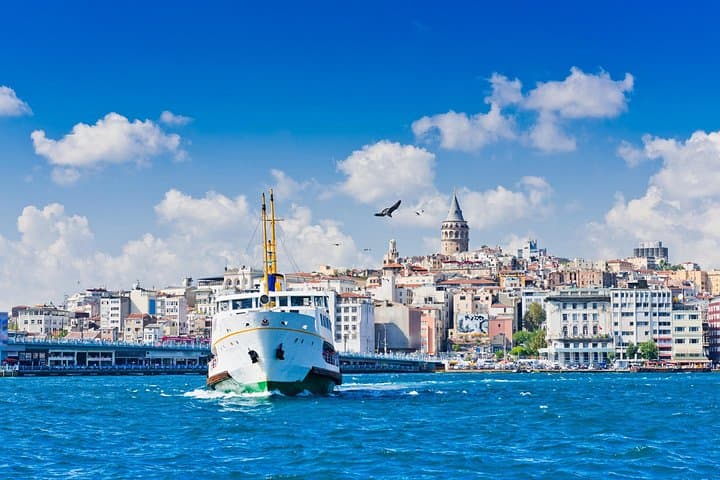
You step onto a coach in predawn Istanbul, the city lights still clinging to the Bosphorus, and the road unfurls toward Gallipoli — wind-swept cliffs and quiet coves where history lingers. Over seven days the trip reads like a condensed atlas of Anatolia: battlefields and memorials, a mythic Bronze Age city, chalk-white thermal terraces, the ochre ruins of Roman streets, and the lunar ridges of Cappadocia.
Verified experiences and guided adventures in the surrounding area.
Operated by Fez Travel · Istanbul, Istanbul
You step onto a coach in predawn Istanbul, the city lights still clinging to the Bosphorus, and the road unfurls toward Gallipoli — wind-swept cliffs and quiet coves where history lingers. Over seven days the trip reads like a condensed atlas of Anatolia: battlefields and memorials, a mythic Bronze Age city, chalk-white thermal terraces, the ochre ruins of Roman streets, and the lunar ridges of Cappadocia.
Gallipoli frames modern memory; its beaches and ridgelines tell the story of WWI with austere honesty. Troy’s archaeological layers reveal millennia of human settlement, while nearby Behramkale offers a compact village of stone houses and coastal views. Pamukkale’s travertines are living geology — calcium-rich waters depositing terraces for centuries — and the adjacent Hierapolis sits high on those thermal slopes. Cappadocia’s plateau, around 1,000–1,300 m elevation, is volcanic rock sculpted into fairy chimneys and subterranean cities that sheltered communities for centuries.
Culturally, expect attentive guides, daily breakfasts, and five dinners; Turkish tea is a ritual stop between sites, and carpet weaving demonstrations reveal regional craft patterns. Practical notes: days include several multi-hour drives (some stretches 3–5 hours); walking at archaeological sites is mostly on uneven stone or soft terraces with modest elevation changes. Pack sun protection, sturdy walking shoes, and a small daypack for water and camera.
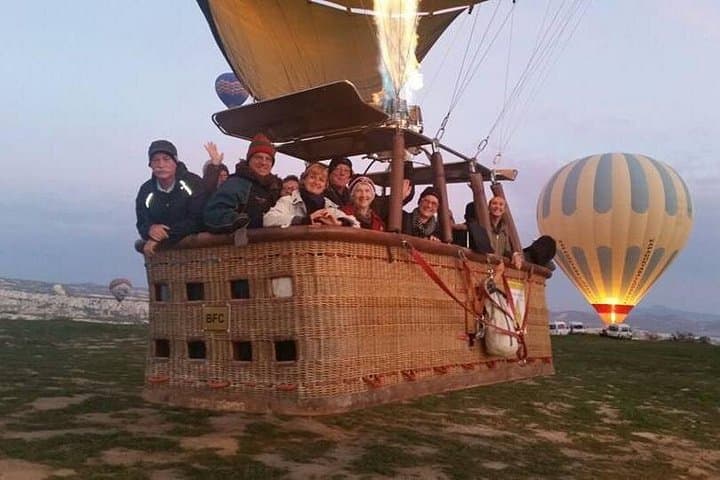
Timings are early-start heavy but structured: guided site visits, museum entries, and one optional Kayseri–Istanbul flight at the end. Reserve optional hot-air balloon experiences in Cappadocia well in advance. This itinerary suits travelers who want history, geology, and efficient logistics across Turkey’s signature landscapes.
moderate.
7 days.
Suitable for travelers in average fitness; expect mostly easy walks but repeated stair and uneven-surface walking throughout the trip.
Daily itineraries include guided walks of 1–3 hours at sites; terrain is uneven in places but no technical hiking is required.
A morning flight from Kayseri to Istanbul is optional at extra cost; the standard itinerary returns by coach through Ankara.
Breakfast each day and five dinners are included; entrance fees to listed sites are covered as stated in the inclusions.
Yes — advise any special dietary needs at booking so the operator can arrange appropriate meals.
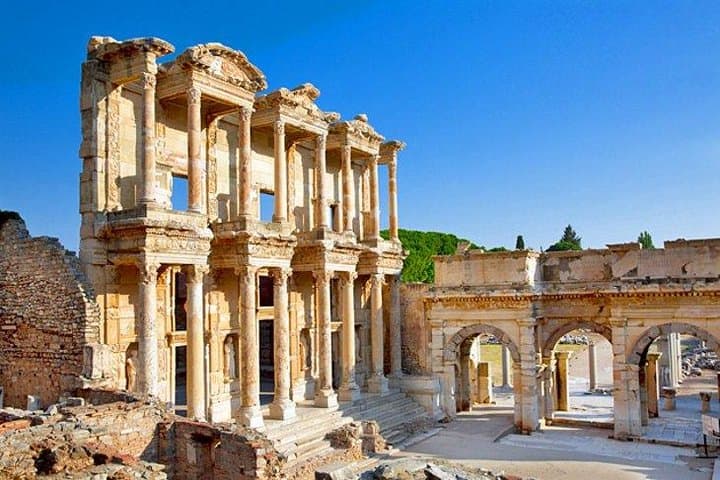
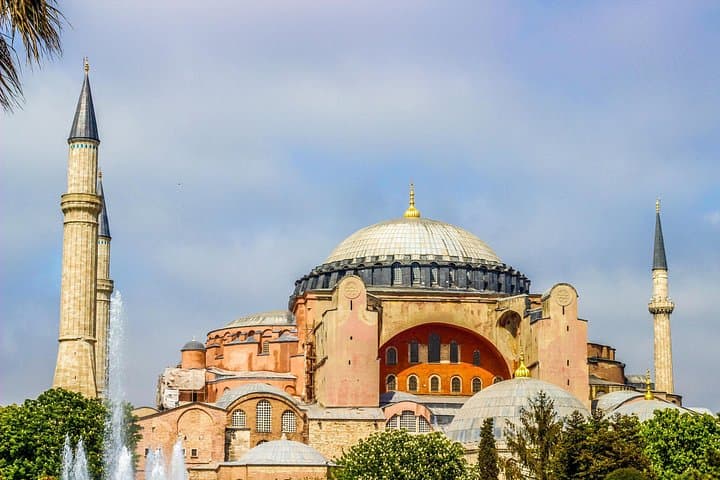
The route links epochs—from Bronze Age Troy through Roman Ephesus to Ottoman and Republican-era sites—offering a compact survey of Anatolian history.
Pamukkale’s terraces are actively managed to protect deposits and limit foot traffic; follow site rules and stay on designated paths to minimize impact.
Fez Travel operates guided outdoor trips and adventures with an emphasis on safety, stewardship, and memorable experiences.
You step onto a coach in predawn Istanbul, the city lights still clinging to the Bosphorus, and the road unfurls toward Gallipoli — wind-swept cliffs and quiet coves where history lingers. Over seven days the trip reads like a condensed atlas of Anatolia: battlefields and memorials, a mythic Bronze Age city, chalk-white thermal terraces, the ochre ruins of Roman streets, and the lunar ridges of Cappadocia.
You step onto a coach in predawn Istanbul, the city lights still clinging to the Bosphorus, and the road unfurls toward Gallipoli — wind-swept cliffs and quiet coves where history lingers. Over seven days the trip reads like a condensed atlas of Anatolia: battlefields and memorials, a mythic Bronze Age city, chalk-white thermal terraces, the ochre ruins of Roman streets, and the lunar ridges of Cappadocia.
Gallipoli frames modern memory; its beaches and ridgelines tell the story of WWI with austere honesty. Troy’s archaeological layers reveal millennia of human settlement, while nearby Behramkale offers a compact village of stone houses and coastal views. Pamukkale’s travertines are living geology — calcium-rich waters depositing terraces for centuries — and the adjacent Hierapolis sits high on those thermal slopes. Cappadocia’s plateau, around 1,000–1,300 m elevation, is volcanic rock sculpted into fairy chimneys and subterranean cities that sheltered communities for centuries.
Culturally, expect attentive guides, daily breakfasts, and five dinners; Turkish tea is a ritual stop between sites, and carpet weaving demonstrations reveal regional craft patterns. Practical notes: days include several multi-hour drives (some stretches 3–5 hours); walking at archaeological sites is mostly on uneven stone or soft terraces with modest elevation changes. Pack sun protection, sturdy walking shoes, and a small daypack for water and camera.
Timings are early-start heavy but structured: guided site visits, museum entries, and one optional Kayseri–Istanbul flight at the end. Reserve optional hot-air balloon experiences in Cappadocia well in advance. This itinerary suits travelers who want history, geology, and efficient logistics across Turkey’s signature landscapes.