THE ADVENTURE COLLECTIVE® · Independent discovery and booking for outdoor travel

A full-day loop from Cluj-Napoca that pairs the underground spectacle of Salina Turda with the Gothic drama of Corvin Castle and the Vauban-star geometry of Alba Carolina Fortress. Expect stairs, stone courtyards, and centuries of history packed into an 11‑hour itinerary.
A full-day loop from Cluj-Napoca that pairs the underground spectacle of Salina Turda with the Gothic drama of Corvin Castle and the Vauban-star geometry of Alba Carolina Fortress. Expect stairs, stone courtyards, and centuries of history packed into an 11‑hour itinerary.
You step onto a morning bus in Cluj-Napoca as the Carpathian foothills recede and farmland gives way to older, stone-built towns. The first descent is literal: a spiral stair into Salina Turda where cavernous halls and salt-carved benches open like a subterranean cathedral. The air is cool and mineral-sharp; lights pick out crystalline walls and the cavern dares you to measure distance with your breath.
Verified experiences and guided adventures in the surrounding area.
Operated by Rolandia · Cluj-Napoca, Cluj County
You step onto a morning bus in Cluj-Napoca as the Carpathian foothills recede and farmland gives way to older, stone-built towns. The first descent is literal: a spiral stair into Salina Turda where cavernous halls and salt-carved benches open like a subterranean cathedral. The air is cool and mineral-sharp; lights pick out crystalline walls and the cavern dares you to measure distance with your breath.
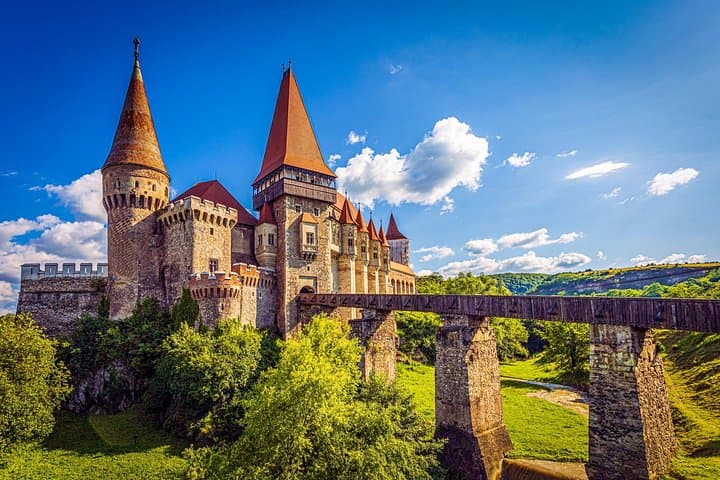
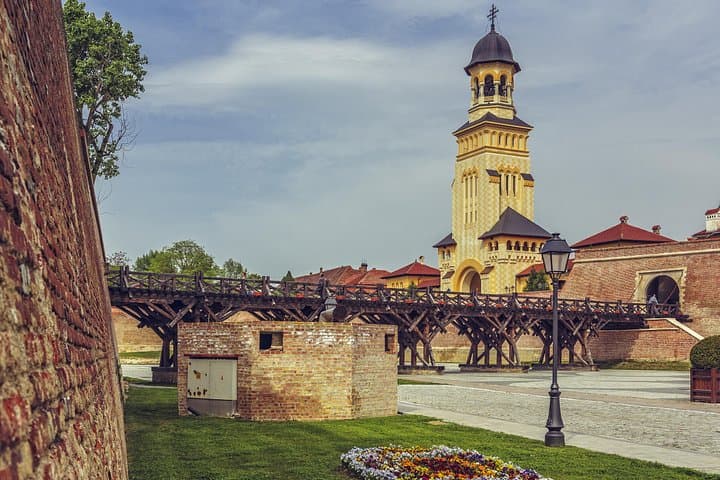
Above ground the day moves through centuries. Corvin Castle’s high arched bridge and Gothic loggia were expanded by John Hunyadi in the 15th century; its towers and dark courtyards still feel strategically placed to repel invaders. Later, the geometric bastions of Alba Carolina Fortress reveal Vauban principles—wide glacis, star-shaped ramparts—holding the imprint of military engineering and Romania’s 1918 unification moment.
Geology and history intertwine: the salt in Turda is an evaporite deposit laid down millions of years ago and extracted since Roman times; the castles reflect shifting medieval borders and regional power. Local guides illuminate folklore, sieges, and the practicalities of salt mining.
Practical guidance: expect a full 11‑hour day with moderate walking, many stairs, and some uneven surfaces. Wear sturdy shoes, bring layered clothing for cool underground temperatures, and carry a small daypack for essentials. Photography is allowed in most areas but check signs for restricted rooms. The itinerary moves quickly—arrive in Cluj with comfortable shoes, ID, and readiness for a historically dense, sensory day.
moderate.
11 hours.
Moderate fitness—able to handle stairs, uneven ground, and several hours on foot throughout the day.
The tour is approximately 11 hours total; most departures return to Cluj-Napoca in the evening—check your booking confirmation for exact times.
This itinerary notes admissions are not included for some sites—confirm with the operator which tickets are covered or if you'll need to purchase on arrival.
The mine has multiple staircases and uneven ramps; accessibility is limited—travelers with significant mobility constraints should inquire with the operator in advance.
The schedule typically allows two hours at Alba Carolina for walking the ramparts and visiting core sites, but time is limited—plan priorities before arrival.
Salina Turda dates to Roman-era salt extraction; Corvin Castle expanded under John Hunyadi in the 15th century, and Alba Iulia hosted the 1918 assembly that declared Transylvania’s union with Romania.
Tourism management at Salina Turda emphasizes controlled lighting and visitor flow to protect salt formations; stick to marked paths and avoid touching delicate walls.
Rolandia operates guided outdoor trips and adventures with an emphasis on safety, stewardship, and memorable experiences.
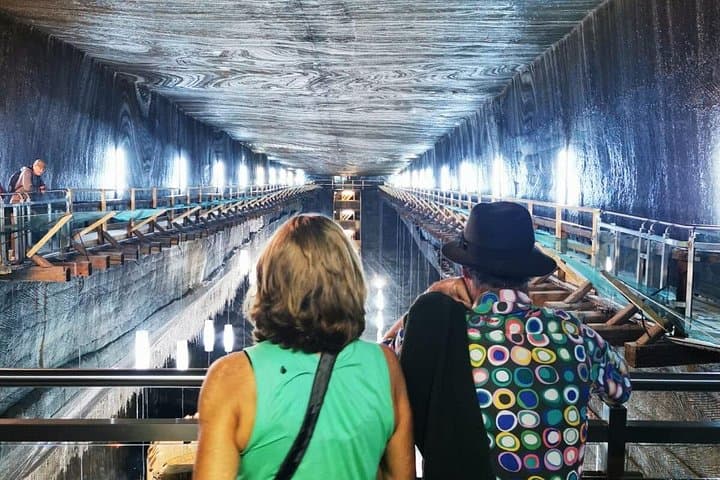
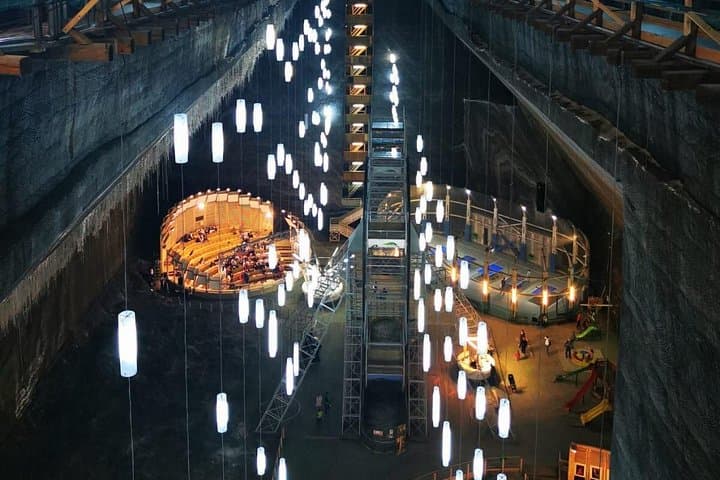
You step onto a morning bus in Cluj-Napoca as the Carpathian foothills recede and farmland gives way to older, stone-built towns. The first descent is literal: a spiral stair into Salina Turda where cavernous halls and salt-carved benches open like a subterranean cathedral. The air is cool and mineral-sharp; lights pick out crystalline walls and the cavern dares you to measure distance with your breath.
You step onto a morning bus in Cluj-Napoca as the Carpathian foothills recede and farmland gives way to older, stone-built towns. The first descent is literal: a spiral stair into Salina Turda where cavernous halls and salt-carved benches open like a subterranean cathedral. The air is cool and mineral-sharp; lights pick out crystalline walls and the cavern dares you to measure distance with your breath.
Above ground the day moves through centuries. Corvin Castle’s high arched bridge and Gothic loggia were expanded by John Hunyadi in the 15th century; its towers and dark courtyards still feel strategically placed to repel invaders. Later, the geometric bastions of Alba Carolina Fortress reveal Vauban principles—wide glacis, star-shaped ramparts—holding the imprint of military engineering and Romania’s 1918 unification moment.
Geology and history intertwine: the salt in Turda is an evaporite deposit laid down millions of years ago and extracted since Roman times; the castles reflect shifting medieval borders and regional power. Local guides illuminate folklore, sieges, and the practicalities of salt mining.
Practical guidance: expect a full 11‑hour day with moderate walking, many stairs, and some uneven surfaces. Wear sturdy shoes, bring layered clothing for cool underground temperatures, and carry a small daypack for essentials. Photography is allowed in most areas but check signs for restricted rooms. The itinerary moves quickly—arrive in Cluj with comfortable shoes, ID, and readiness for a historically dense, sensory day.