THE ADVENTURE COLLECTIVE® · Independent discovery and booking for outdoor travel

Trace Tunisia’s layers—from Tunisian medinas and Roman amphitheaters to Saharan oases and cinematic Star Wars locations—on a seven-day circuit that balances cultural immersion with desert adventure. Practical, accessible, and richly varied, this tour suits travelers who want wide-ranging sights without strenuous trekking.
Trace Tunisia’s layers—from Tunisian medinas and Roman amphitheaters to Saharan oases and cinematic Star Wars locations—on a seven-day circuit that balances cultural immersion with desert adventure. Practical, accessible, and richly varied, this tour suits travelers who want wide-ranging sights without strenuous trekking.
You step out of the minibus in Tunis and the air carries a salt-and-spice clarity that feels like an invitation. Streets hum with scooters and bakers; ancient stone and whitewashed facades frame the view. Over the next seven days the landscape will change dramatically—Mediterranean coast, Roman ruins, vast salt flats, and dunes that keep shifting like slow breath.
Verified experiences and guided adventures in the surrounding area.
Operated by Across Africa Tours LLC · Tunis, Tunis Governorate
You step out of the minibus in Tunis and the air carries a salt-and-spice clarity that feels like an invitation. Streets hum with scooters and bakers; ancient stone and whitewashed facades frame the view. Over the next seven days the landscape will change dramatically—Mediterranean coast, Roman ruins, vast salt flats, and dunes that keep shifting like slow breath.
The route threads through Carthage and the imperial Colosseum of El Jem, traces Berber life in troglodyte Matmata, and follows the Roman roads to Ksar Ghilane’s palm-shaded thermal spring. Geology here is stark: Chott El Jerid is a dehydrated lakebed of salt crusts and mirages; the western oases carve canyons through soft sandstone. Cultural layers are thick—Phoenician and Roman foundations beneath Arab-Islamic medinas, with Kairouan reflecting the Aghlabid era’s religious and architectural gravity.
Practicalities are straightforward: itineraries use hotel nights in Tunis, Douz, and Tozeur with local guides and transport included. Expect dusty tracks, short canyon walks, optional camel rides and quad excursions, and several gentle climbs to lookout points. Temperatures swing—hot by day in summer, cool at night year-round—so light layers and sun protection are essential. Hydrate proactively; water can be scarce between stops. Respect mosque protocols in Kairouan (modest dress, remove shoes where required), and tip locally for guide and driver services.
This is a travel pace crafted for immersion rather than endurance: a cultural sweep with desert encounters that reward simple preparation—sturdy shoes, a refillable bottle, and curiosity.
easy.
7 days (approx.).
Suitable for travelers in regular, everyday fitness — involves short walks, some uneven ground, and optional camel/quad activities; no technical fitness required.
No—days are paced with hotel transfers and short walks; optional activities like camel rides and quad tours are available for varying energy levels.
English-speaking guides are provided; Arabic and French are also widely spoken across Tunisia.
Most days include breakfast and several lunches/dinners as indicated in the itinerary—confirm specifics at booking.
Many nationalities can obtain a visa on arrival or travel visa-free for short stays; check current entry requirements for your passport before travel.
The itinerary highlights layers from Phoenician Carthage and Roman El Jem to Aghlabid-era Kairouan, reflecting Tunisia’s role as a Mediterranean crossroads.
Desert and oasis ecosystems are fragile—stay on established tracks, avoid collecting artifacts, and conserve water during your visit.
Across Africa Tours LLC operates guided outdoor trips and adventures with an emphasis on safety, stewardship, and memorable experiences.
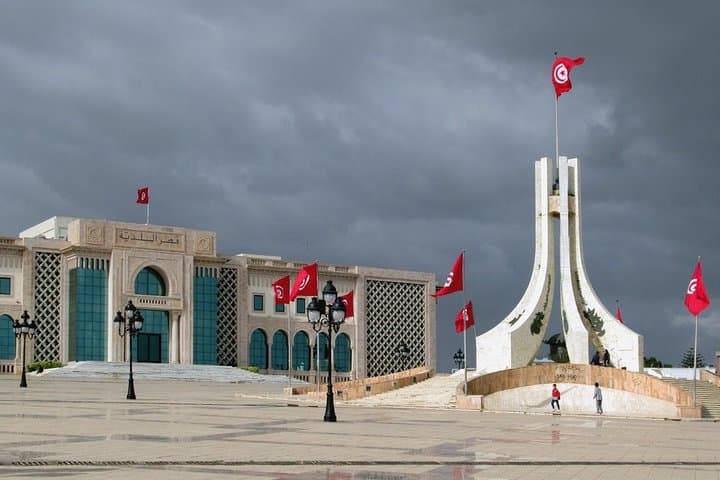
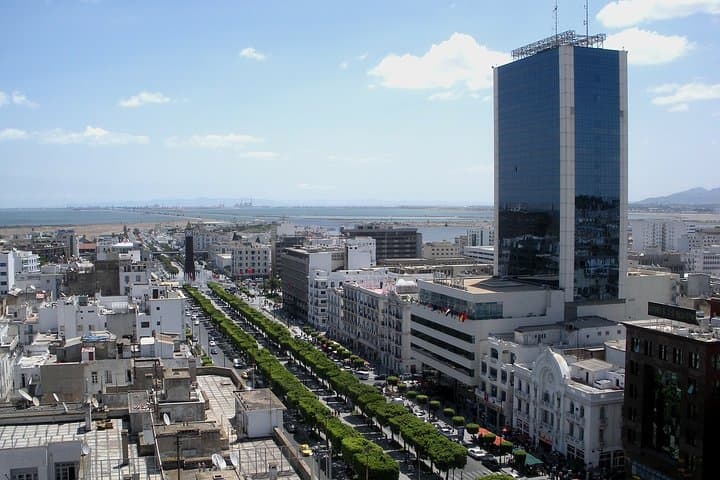
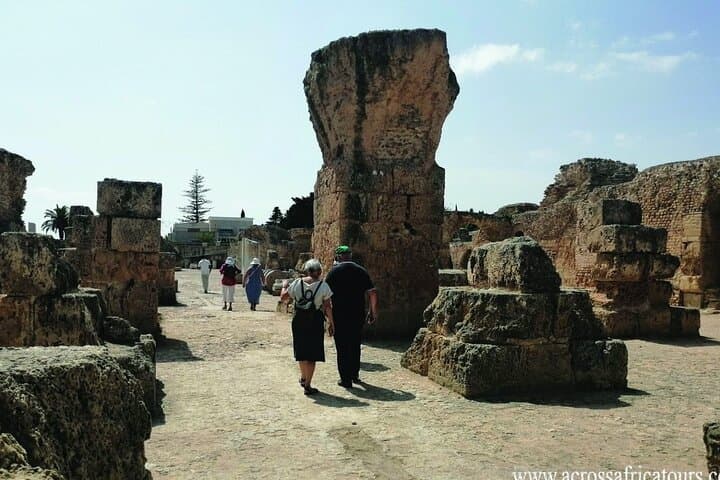
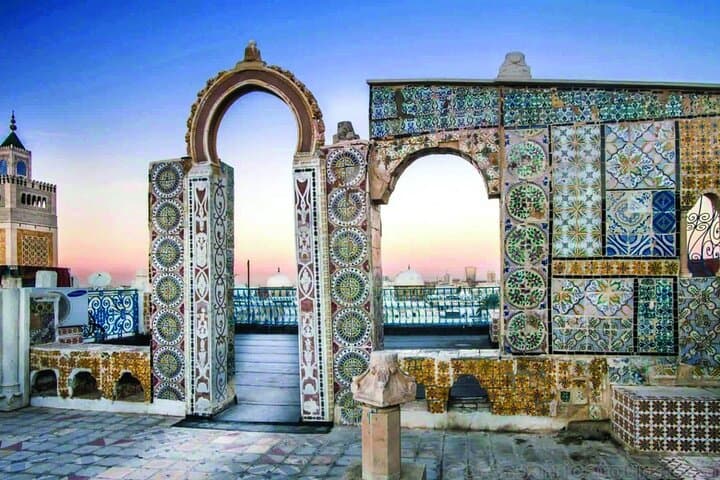
You step out of the minibus in Tunis and the air carries a salt-and-spice clarity that feels like an invitation. Streets hum with scooters and bakers; ancient stone and whitewashed facades frame the view. Over the next seven days the landscape will change dramatically—Mediterranean coast, Roman ruins, vast salt flats, and dunes that keep shifting like slow breath.
You step out of the minibus in Tunis and the air carries a salt-and-spice clarity that feels like an invitation. Streets hum with scooters and bakers; ancient stone and whitewashed facades frame the view. Over the next seven days the landscape will change dramatically—Mediterranean coast, Roman ruins, vast salt flats, and dunes that keep shifting like slow breath.
The route threads through Carthage and the imperial Colosseum of El Jem, traces Berber life in troglodyte Matmata, and follows the Roman roads to Ksar Ghilane’s palm-shaded thermal spring. Geology here is stark: Chott El Jerid is a dehydrated lakebed of salt crusts and mirages; the western oases carve canyons through soft sandstone. Cultural layers are thick—Phoenician and Roman foundations beneath Arab-Islamic medinas, with Kairouan reflecting the Aghlabid era’s religious and architectural gravity.
Practicalities are straightforward: itineraries use hotel nights in Tunis, Douz, and Tozeur with local guides and transport included. Expect dusty tracks, short canyon walks, optional camel rides and quad excursions, and several gentle climbs to lookout points. Temperatures swing—hot by day in summer, cool at night year-round—so light layers and sun protection are essential. Hydrate proactively; water can be scarce between stops. Respect mosque protocols in Kairouan (modest dress, remove shoes where required), and tip locally for guide and driver services.
This is a travel pace crafted for immersion rather than endurance: a cultural sweep with desert encounters that reward simple preparation—sturdy shoes, a refillable bottle, and curiosity.