THE ADVENTURE COLLECTIVE® · Independent discovery and booking for outdoor travel

A 10-day circuit through Tunisia that pairs Roman ruins and medina alleys with mountain oases and a desert camp experience. Ideal for travelers who want history, dramatic landscapes and an accessible Sahara night under canvas.
A 10-day circuit through Tunisia that pairs Roman ruins and medina alleys with mountain oases and a desert camp experience. Ideal for travelers who want history, dramatic landscapes and an accessible Sahara night under canvas.
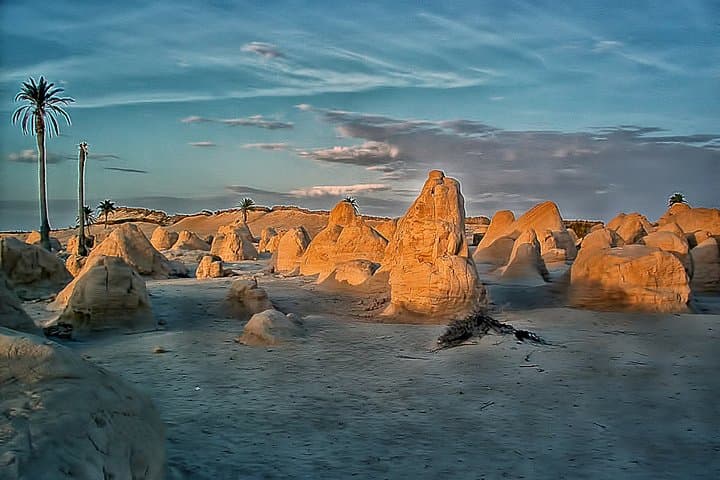
You step off the bus and the air changes—salty Mediterranean breeze one morning, dry heat and the smell of thyme the next. Streets in Tunis open into shaded alleys and mosaic courtyards; three days later the landscape has thinned to ochre canyons, palm oases and a wide salt flat that dares you to keep taking photos until the light fades.
Verified experiences and guided adventures in the surrounding area.
Operated by Across Africa Tours LLC · Tunis, Tunis Governorate
You step off the bus and the air changes—salty Mediterranean breeze one morning, dry heat and the smell of thyme the next. Streets in Tunis open into shaded alleys and mosaic courtyards; three days later the landscape has thinned to ochre canyons, palm oases and a wide salt flat that dares you to keep taking photos until the light fades.
This 10-day loop moves from the classical ruins of Carthage and the white-and-blue village of Sidi Bou Saïd to the Roman theater at El Jem, the holy city of Kairouan and the layered canyon oases of Chebika, Tamerza and Mides. Geology here ranges from Pleistocene coastal deposits to sandstone canyons carved by seasonal wadis; in the south you cross the Chott el-Jerid, a vast saline plain that reflects the sky like a shallow lake. Cultural threads—Phoenician foundations, Roman engineering, Islamic scholarship and Berber mountain life—are visible in monuments, mosques and cave homes.
Expect mostly vehicle-led travel with short guided walks, market strolls and one overnight in a desert camp under canvas. Meals highlight grilled fish on the coast and tagine-style dishes inland; local guides share stories about olive oil, pottery and sand-baked bread. Practical tips: plan for strong sun and temperature swings, carry cash for small purchases, and allow flexible time for dusty roads and photo stops. Bring sturdy walking shoes for uneven ruins, a warm layer for desert nights, and a sense of curiosity—Tunisia rewards it.
easy.
10 days.
Suitable for travelers in average condition; most time is vehicle-based with short, gentle walks and optional light hikes.
Visa rules vary by nationality; many countries receive visa-free entry for short stays but check your government’s travel site or the Tunisian consulate for current requirements before booking.
The itinerary is mostly vehicle-based with short guided walks. No sustained hiking is required—participants should be comfortable walking on uneven surfaces for 30–90 minute stretches.
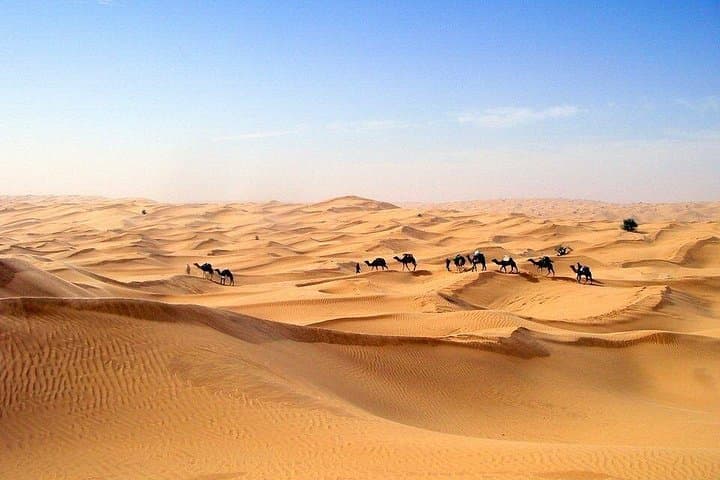
Desert camps typically offer single or shared canvas tents with basic bedding and communal meals; amenities are simple and suited to travelers comfortable with rustic overnighting.
Yes—the route and pace accommodate families, including children, but expect long drives and some dusty conditions; check specific child policies with the operator.
Tunisia was a crossroads of Phoenician, Roman and Islamic civilizations—Carthage and Dougga reflect millennia of Mediterranean commerce and imperial architecture.
Desert oases are fragile; minimize water use, stick to marked paths to protect palm groves, and avoid leaving waste in camps or salt flats.
Across Africa Tours LLC operates guided outdoor trips and adventures with an emphasis on safety, stewardship, and memorable experiences.
You step off the bus and the air changes—salty Mediterranean breeze one morning, dry heat and the smell of thyme the next. Streets in Tunis open into shaded alleys and mosaic courtyards; three days later the landscape has thinned to ochre canyons, palm oases and a wide salt flat that dares you to keep taking photos until the light fades.
You step off the bus and the air changes—salty Mediterranean breeze one morning, dry heat and the smell of thyme the next. Streets in Tunis open into shaded alleys and mosaic courtyards; three days later the landscape has thinned to ochre canyons, palm oases and a wide salt flat that dares you to keep taking photos until the light fades.
This 10-day loop moves from the classical ruins of Carthage and the white-and-blue village of Sidi Bou Saïd to the Roman theater at El Jem, the holy city of Kairouan and the layered canyon oases of Chebika, Tamerza and Mides. Geology here ranges from Pleistocene coastal deposits to sandstone canyons carved by seasonal wadis; in the south you cross the Chott el-Jerid, a vast saline plain that reflects the sky like a shallow lake. Cultural threads—Phoenician foundations, Roman engineering, Islamic scholarship and Berber mountain life—are visible in monuments, mosques and cave homes.
Expect mostly vehicle-led travel with short guided walks, market strolls and one overnight in a desert camp under canvas. Meals highlight grilled fish on the coast and tagine-style dishes inland; local guides share stories about olive oil, pottery and sand-baked bread. Practical tips: plan for strong sun and temperature swings, carry cash for small purchases, and allow flexible time for dusty roads and photo stops. Bring sturdy walking shoes for uneven ruins, a warm layer for desert nights, and a sense of curiosity—Tunisia rewards it.