THE ADVENTURE COLLECTIVE® · Independent discovery and booking for outdoor travel

A compact two-day loop from Surabaya that pairs the thunder of Tumpak Sewu waterfall with a pre-dawn Bromo sunrise. Drive, short hikes, and a midnight Jeep run combine dramatic geology and local Tengger culture.
A compact two-day loop from Surabaya that pairs the thunder of Tumpak Sewu waterfall with a pre-dawn Bromo sunrise. Drive, short hikes, and a midnight Jeep run combine dramatic geology and local Tengger culture.
You leave Surabaya before dawn and the road becomes a thread through lowland rice fields and coffee farms, the van swallowing kilometers until the jungle opens onto a cliff rim and Tumpak Sewu reveals itself — a 120 m curtain that dares you closer. Spray and mist fill the gorge; ferns lean toward the sound of falling water and small streams push themselves over black basalt.
Verified experiences and guided adventures in the surrounding area.
Operated by Smartine Indonesia Travel · Lumajang, East Java
You leave Surabaya before dawn and the road becomes a thread through lowland rice fields and coffee farms, the van swallowing kilometers until the jungle opens onto a cliff rim and Tumpak Sewu reveals itself — a 120 m curtain that dares you closer. Spray and mist fill the gorge; ferns lean toward the sound of falling water and small streams push themselves over black basalt.
This short expedition pairs two dramatic East Java landscapes: the plunge pool and amphitheater of Tumpak Sewu near Lumajang, carved into volcanic rock and fed by seasonal runoff, and Mount Bromo, an active cone sitting inside a 10 km-wide Tengger caldera. The Tengger people still keep Hindu rites at Luhur Poten temple on the Sea of Sand; the landscape is both geologic theatre and living culture.
Expect a roughly 4-hour drive to Tumpak Sewu, a 45–60 minute descent to the viewpoint and scramble along wet, uneven rock, then an overnight in Cemara Lawang or nearby guesthouse. Rising at 3:00 AM the next day, you’ll take a 4x4 to Pananjakan (≈2,702 m) for sunrise color over the Sand Sea, then a 45-minute walk to Bromo’s crater rim. Weather shifts fast — mist can veil the crater and turn the sand slick.
Practical notes: bring sturdy, water-resistant footwear, a warm layer for high elevation, a headlamp for pre-dawn travel, and rain protection for the waterfall approach. Respect local rituals at Poten and stay on designated paths to protect fragile caldera grasses. With moderate fitness and basic hiking caution, this two-day route delivers large-scale geology, close-up waterfall power, and an iconic volcanic sunrise.
moderate.
2 days (approx. 8–10 hours active across both days).
Moderate fitness: able to hike 45–60 minutes on uneven, sometimes muddy terrain and tolerate early-morning cold at altitude.
Expect about 45–60 minutes one way from the parking area to the main viewpoint; terrain includes stairs, loose soil, and some scrambling.
Yes — from the Sea of Sand it’s roughly a 45-minute walk one-way to the crater rim; volcanic gas can be present, so avoid the rim if fumes are strong.
Pananjakan is about 2,700 m; most visitors experience only mild effects like shortness of breath—move slowly and hydrate to reduce symptoms.
This tour includes entrance fees for Tumpak Sewu and Bromo-Tengger-Semeru National Park as listed in the itinerary inclusions.
Mount Bromo sits inside a 10 km-wide caldera formed by massive prehistoric eruptions; the Tengger community has inhabited and performed Hindu rituals here for centuries.
Visitor pressure and off-track walking can damage fragile caldera grasses and wetland soils—stay on trails, avoid littering, and use local services to support responsible tourism.
Smartine Indonesia Travel operates guided outdoor trips and adventures with an emphasis on safety, stewardship, and memorable experiences.


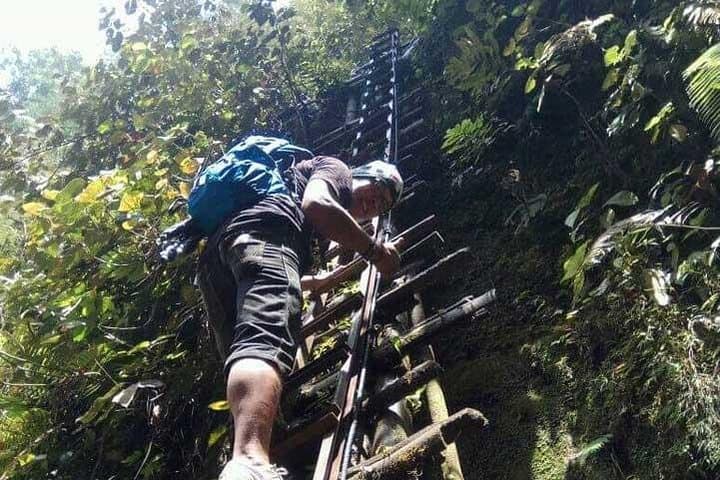

You leave Surabaya before dawn and the road becomes a thread through lowland rice fields and coffee farms, the van swallowing kilometers until the jungle opens onto a cliff rim and Tumpak Sewu reveals itself — a 120 m curtain that dares you closer. Spray and mist fill the gorge; ferns lean toward the sound of falling water and small streams push themselves over black basalt.
You leave Surabaya before dawn and the road becomes a thread through lowland rice fields and coffee farms, the van swallowing kilometers until the jungle opens onto a cliff rim and Tumpak Sewu reveals itself — a 120 m curtain that dares you closer. Spray and mist fill the gorge; ferns lean toward the sound of falling water and small streams push themselves over black basalt.
This short expedition pairs two dramatic East Java landscapes: the plunge pool and amphitheater of Tumpak Sewu near Lumajang, carved into volcanic rock and fed by seasonal runoff, and Mount Bromo, an active cone sitting inside a 10 km-wide Tengger caldera. The Tengger people still keep Hindu rites at Luhur Poten temple on the Sea of Sand; the landscape is both geologic theatre and living culture.
Expect a roughly 4-hour drive to Tumpak Sewu, a 45–60 minute descent to the viewpoint and scramble along wet, uneven rock, then an overnight in Cemara Lawang or nearby guesthouse. Rising at 3:00 AM the next day, you’ll take a 4x4 to Pananjakan (≈2,702 m) for sunrise color over the Sand Sea, then a 45-minute walk to Bromo’s crater rim. Weather shifts fast — mist can veil the crater and turn the sand slick.
Practical notes: bring sturdy, water-resistant footwear, a warm layer for high elevation, a headlamp for pre-dawn travel, and rain protection for the waterfall approach. Respect local rituals at Poten and stay on designated paths to protect fragile caldera grasses. With moderate fitness and basic hiking caution, this two-day route delivers large-scale geology, close-up waterfall power, and an iconic volcanic sunrise.