THE ADVENTURE COLLECTIVE® · Independent discovery and booking for outdoor travel

Explore Tumacacori Mission on a private 90‑minute walk led by a former NPS ranger. Learn architectural and cultural history along a shaded Santa Cruz River corridor, with practical tips for timing, access, and what to bring.
Explore Tumacacori Mission on a private 90‑minute walk led by a former NPS ranger. Learn architectural and cultural history along a shaded Santa Cruz River corridor, with practical tips for timing, access, and what to bring.
A low stone wall and a row of cottonwoods mark the approach to Tumacacori Mission, where the desert's river corridor suddenly takes on the ease of a shaded room.
Verified experiences and guided adventures in the surrounding area.
Operated by Borderlandia LLC · Tumacacori, Arizona
A low stone wall and a row of cottonwoods mark the approach to Tumacacori Mission, where the desert's river corridor suddenly takes on the ease of a shaded room.
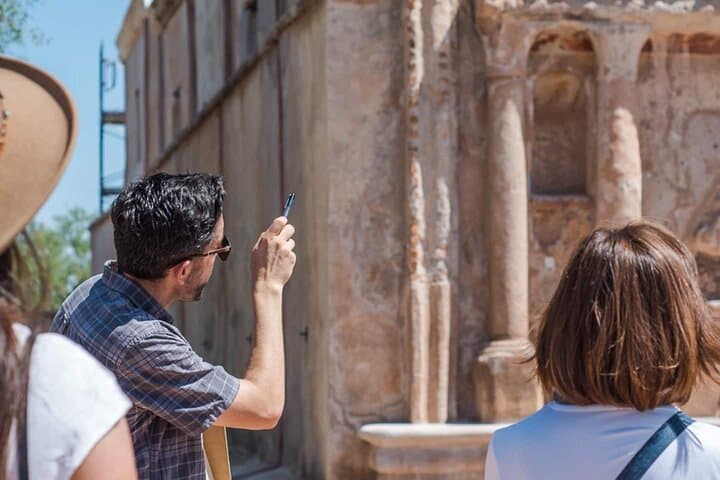
On this private 90‑minute walk you follow the Santa Cruz's faint footsteps through mesquite and cottonwood gallery forest while a former NPS ranger points out the mission's layered past — mission compound, 19th‑century reconstruction, and the modern preservation work that keeps the walls standing. The adobe church, its cracked plaster and simple buttresses, reads as both architecture and archive: written in lime and sun.
The site sits on the edge of the Upper Sonoran Desert where river-deposited alluvium meets volcanic highs; travelers often feel the ground change beneath their boots. The mission dates to Father Eusebio Kino's late‑17th century outreach and later Franciscan rebuilding in the 19th century, connecting O’odham and Spanish colonial histories.
Locally, Tubac and neighboring Nogales supply lodging and dining — craft galleries in Tubac make a good start or finish to the visit. Expect quiet trails, interpretive stops, and time for close observation of masonry and landscape.
Practical notes: the tour is largely flat and wheelchair accessible, but sun and heat dominate midday in summer. Bring water, sun protection, and comfortable walking shoes. Arrive early for the best light on the adobe walls and to catch bird activity in the cottonwoods. Stay on designated paths to protect fragile archaeological soils; the park is small but its stories are broad.
easy.
1–1.5 hours.
Suitable for most fitness levels; walking on flat, short trails with frequent stops for interpretation.
Yes — the park and the Visitor Center are wheelchair accessible and the private tour can accommodate mobility devices; notify the guide if you require assistance.
Admission is typically included with guided visits at Tumacacori NHP; confirm at booking since some private tours handle admission separately.
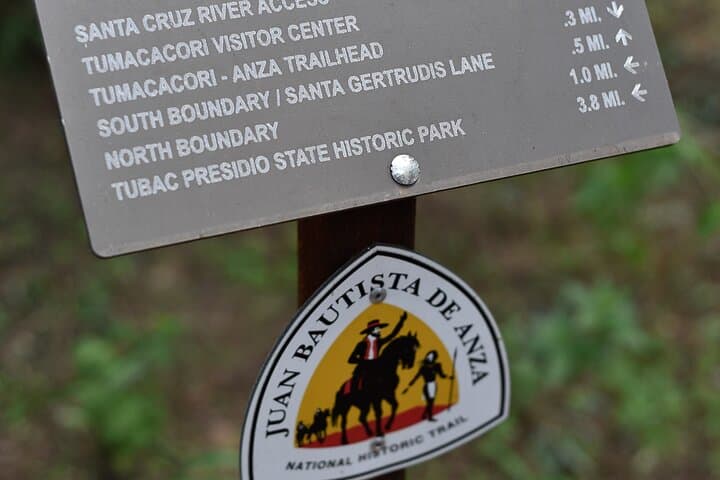
Meet at the Park Service Visitor Center entrance where the guide will wait; brown NPS signs direct you to this location.
Children are welcome; strollers are usable on main paths. Pets (non-service) are generally not allowed on park trails—service animals are accepted.
The mission site traces colonial-era missions established in the late 17th century (Father Eusebio Kino) with major 19th‑century adobe construction and later preservation efforts by the National Park Service.
Preservation focuses on stabilizing adobe fabric and protecting riparian habitat; visitors help by staying on trails, packing out trash, and avoiding contact with fragile walls.
Borderlandia LLC operates guided outdoor trips and adventures with an emphasis on safety, stewardship, and memorable experiences.

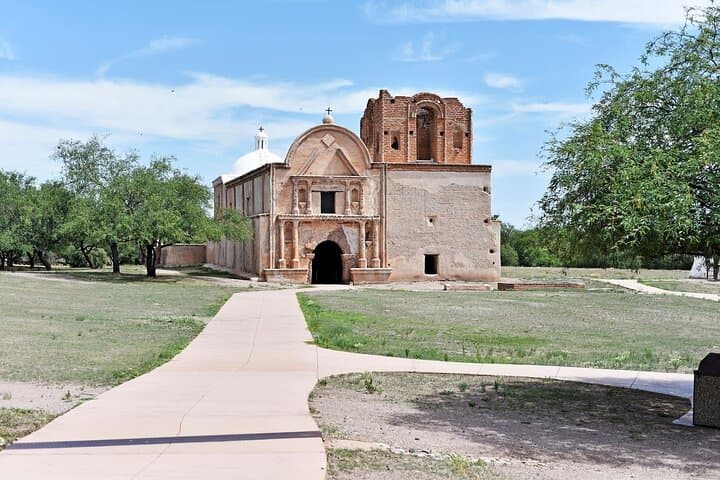
A low stone wall and a row of cottonwoods mark the approach to Tumacacori Mission, where the desert's river corridor suddenly takes on the ease of a shaded room.
A low stone wall and a row of cottonwoods mark the approach to Tumacacori Mission, where the desert's river corridor suddenly takes on the ease of a shaded room.
On this private 90‑minute walk you follow the Santa Cruz's faint footsteps through mesquite and cottonwood gallery forest while a former NPS ranger points out the mission's layered past — mission compound, 19th‑century reconstruction, and the modern preservation work that keeps the walls standing. The adobe church, its cracked plaster and simple buttresses, reads as both architecture and archive: written in lime and sun.
The site sits on the edge of the Upper Sonoran Desert where river-deposited alluvium meets volcanic highs; travelers often feel the ground change beneath their boots. The mission dates to Father Eusebio Kino's late‑17th century outreach and later Franciscan rebuilding in the 19th century, connecting O’odham and Spanish colonial histories.
Locally, Tubac and neighboring Nogales supply lodging and dining — craft galleries in Tubac make a good start or finish to the visit. Expect quiet trails, interpretive stops, and time for close observation of masonry and landscape.
Practical notes: the tour is largely flat and wheelchair accessible, but sun and heat dominate midday in summer. Bring water, sun protection, and comfortable walking shoes. Arrive early for the best light on the adobe walls and to catch bird activity in the cottonwoods. Stay on designated paths to protect fragile archaeological soils; the park is small but its stories are broad.