THE ADVENTURE COLLECTIVE® · Independent discovery and booking for outdoor travel

Explore windswept coastal ruins at Tulum, then slip into the crystal-muffled world of Yal-Kú cove for easy snorkeling. This full-day excursion combines archaeology, shallow reef snorkeling, and practical local tips for a balanced Riviera Maya outing.
Explore windswept coastal ruins at Tulum, then slip into the crystal-muffled world of Yal-Kú cove for easy snorkeling. This full-day excursion combines archaeology, shallow reef snorkeling, and practical local tips for a balanced Riviera Maya outing.
A warm Gulf breeze meets limestone as visitors step from an air-conditioned shuttle onto the low cliff where Tulum’s stone wall faces the sea. The ascent across packed sand and flagstones gives way to open sky, where the ruins stand—squared platforms, a watchtower, and the Castillo keeping watch over turquoise water. Later, the tour moves inland to Yal-Kú, a sheltered cove where channels and rock pools invite calm snorkeling among colorful reef fish.
Verified experiences and guided adventures in the surrounding area.
Operated by Moka Tours · Tulum, Quintana Roo
A warm Gulf breeze meets limestone as visitors step from an air-conditioned shuttle onto the low cliff where Tulum’s stone wall faces the sea. The ascent across packed sand and flagstones gives way to open sky, where the ruins stand—squared platforms, a watchtower, and the Castillo keeping watch over turquoise water. Later, the tour moves inland to Yal-Kú, a sheltered cove where channels and rock pools invite calm snorkeling among colorful reef fish.
Tulum was called Zamá, “dawn,” by the Maya and functioned as a coastal trading post and lookout during the Late Postclassic period. Geologically the area sits on a porous carbonate shelf—cavernous limestone and cenotes shape local groundwater and the clear, slightly brackish lagoon at Yal-Kú. Culturally, the coastline still supports small fishing communities and a growing focus on conservation: reef-safe practices and protected areas are enforced around popular swim sites.
Practical notes: expect a full-day, 6–7 hour outing with roughly 1–2 miles of walking on uneven surfaces at the ruins and easy, shallow snorkeling at Yal-Kú. Wear sturdy sandals or lightweight hiking shoes for ruins, reef shoes or fins for the cove, and a life vest if you prefer extra flotation. Bring reef-safe sunscreen, a hat, and a dry bag for electronics. Mornings are coolest and least crowded; tides and seasonal weather can affect visibility. Guides typically provide snorkeling gear, bottled water and a Mexican buffet lunch, and tours often include transport from nearby hubs. Respect marked swim zones and marine life—observe, don’t touch.
moderate.
6–7 hours.
Light-to-moderate fitness; must be comfortable standing and walking short distances and able to swim short distances while snorkeling.
Yes — most operators include masks, snorkels and fins; bring your own if you prefer a personal fit.
Yes — tours are family-friendly but children should be comfortable in water and watched closely while snorkeling.
It’s moderate: short walks on uneven ground at the ruins and easy, shallow snorkeling in sheltered water—no technical climbing required.
Full refunds typically available if you cancel at least 24 hours before the scheduled departure; check your booking confirmation for details.
Tulum was a Late Postclassic Maya coastal trading post known as Zamá; its walls and seafront position reflect both ceremonial and defensive roles.
The area is sensitive: heavy visitation can stress reefs and vegetation—use reef-safe sunscreen, avoid touching coral, and follow guide instructions to minimize impact.
Moka Tours operates guided outdoor trips and adventures with an emphasis on safety, stewardship, and memorable experiences.
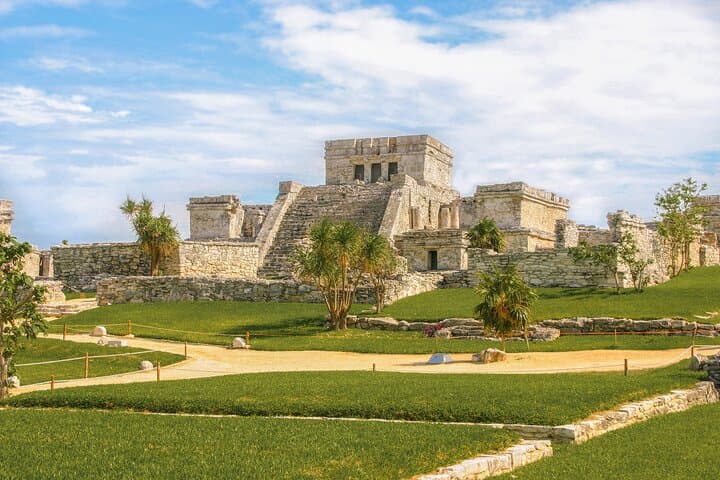
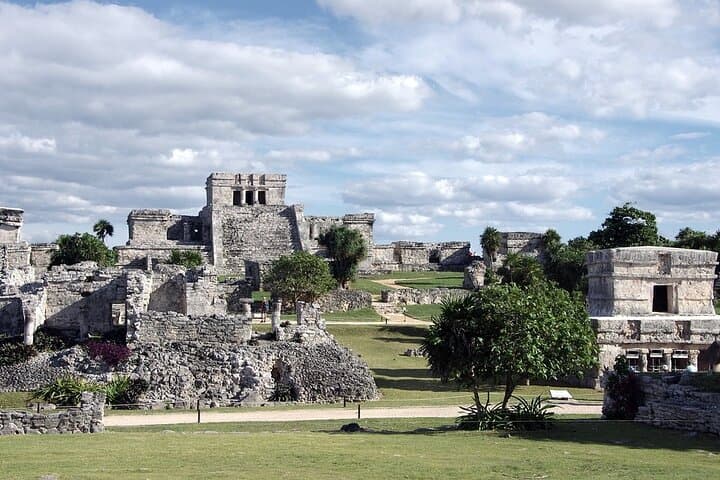
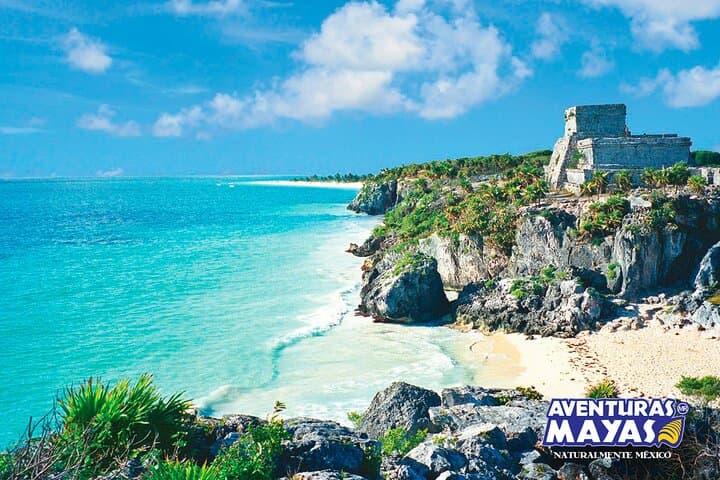
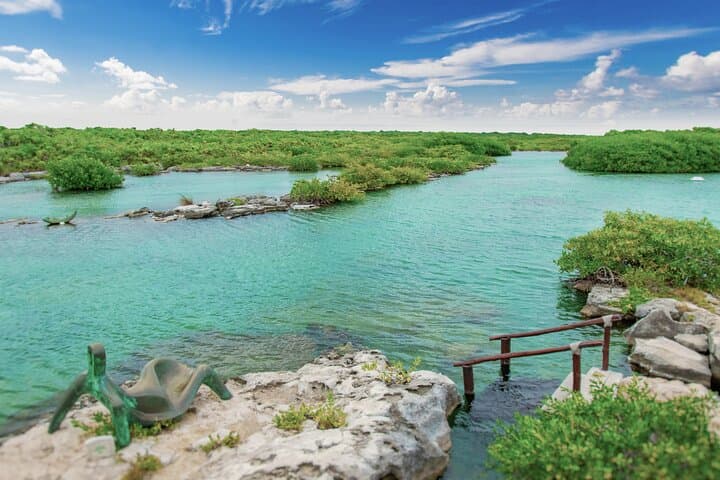
A warm Gulf breeze meets limestone as visitors step from an air-conditioned shuttle onto the low cliff where Tulum’s stone wall faces the sea. The ascent across packed sand and flagstones gives way to open sky, where the ruins stand—squared platforms, a watchtower, and the Castillo keeping watch over turquoise water. Later, the tour moves inland to Yal-Kú, a sheltered cove where channels and rock pools invite calm snorkeling among colorful reef fish.
A warm Gulf breeze meets limestone as visitors step from an air-conditioned shuttle onto the low cliff where Tulum’s stone wall faces the sea. The ascent across packed sand and flagstones gives way to open sky, where the ruins stand—squared platforms, a watchtower, and the Castillo keeping watch over turquoise water. Later, the tour moves inland to Yal-Kú, a sheltered cove where channels and rock pools invite calm snorkeling among colorful reef fish.
Tulum was called Zamá, “dawn,” by the Maya and functioned as a coastal trading post and lookout during the Late Postclassic period. Geologically the area sits on a porous carbonate shelf—cavernous limestone and cenotes shape local groundwater and the clear, slightly brackish lagoon at Yal-Kú. Culturally, the coastline still supports small fishing communities and a growing focus on conservation: reef-safe practices and protected areas are enforced around popular swim sites.
Practical notes: expect a full-day, 6–7 hour outing with roughly 1–2 miles of walking on uneven surfaces at the ruins and easy, shallow snorkeling at Yal-Kú. Wear sturdy sandals or lightweight hiking shoes for ruins, reef shoes or fins for the cove, and a life vest if you prefer extra flotation. Bring reef-safe sunscreen, a hat, and a dry bag for electronics. Mornings are coolest and least crowded; tides and seasonal weather can affect visibility. Guides typically provide snorkeling gear, bottled water and a Mexican buffet lunch, and tours often include transport from nearby hubs. Respect marked swim zones and marine life—observe, don’t touch.