THE ADVENTURE COLLECTIVE® · Independent discovery and booking for outdoor travel

Spend a full day pairing the cliff-top Mayan city of Tulum with the aquatic sanctuary of Xel-Há. This combined tour offers guided history in the morning and all-inclusive snorkeling, river floats, and relaxation in the afternoon.
Spend a full day pairing the cliff-top Mayan city of Tulum with the aquatic sanctuary of Xel-Há. This combined tour offers guided history in the morning and all-inclusive snorkeling, river floats, and relaxation in the afternoon.
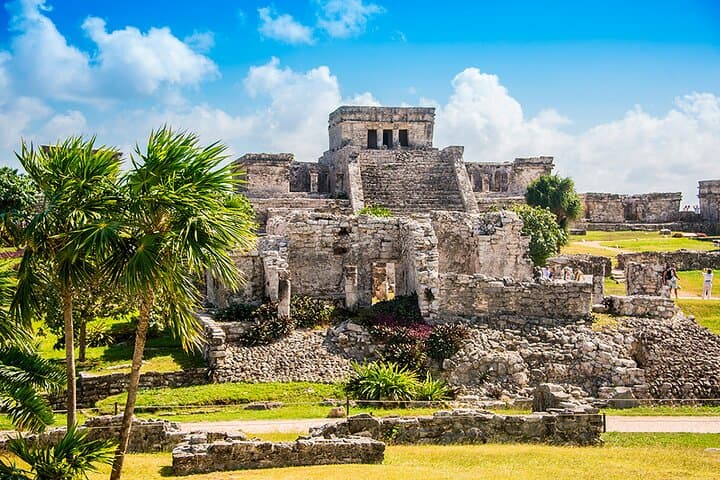
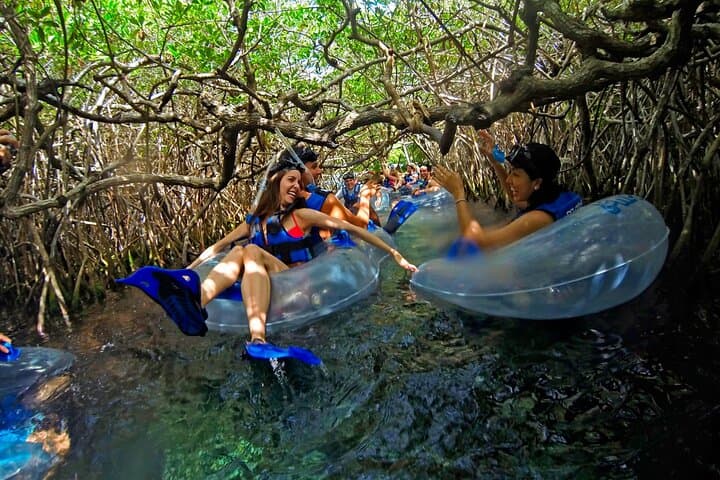
You step off the bus onto warm limestone and salt-scented air; waves murmur below the cliff-edge temples while jungle heat hums behind you. In the morning the Tulum ruins feel deliberate and coastal — stone platforms facing the turquoise sea, gulls wheeling like punctuation marks. Later, the landscape opens into Xel-Há’s calm inlet: freshwater channels braided with mangroves, snorkelers slipping through fish-flecked shallows, and hammocks that insist you slow down.
Verified experiences and guided adventures in the surrounding area.
Operated by Pata de peek travel · Tulum, Quintana Roo
You step off the bus onto warm limestone and salt-scented air; waves murmur below the cliff-edge temples while jungle heat hums behind you. In the morning the Tulum ruins feel deliberate and coastal — stone platforms facing the turquoise sea, gulls wheeling like punctuation marks. Later, the landscape opens into Xel-Há’s calm inlet: freshwater channels braided with mangroves, snorkelers slipping through fish-flecked shallows, and hammocks that insist you slow down.
Tulum began as a strategic Maya port between the 13th and 16th centuries, its cliffside temples oriented to sea routes and sky observations. Geology here is coastal limestone carved by wind and waves; Xel-Há (Maya for “spring of the water”) is where groundwater meets the Caribbean, creating a sheltered natural harbor and rich marine life.
Culturally the day pairs archaeology with low-key ecotourism — a chance to read Mayan inscriptions in the morning and float past mangroves in the afternoon. Locals run services around both sites, from certified guides at Tulum to conservation-minded staff at Xel-Há who monitor reef-friendly practices.
Practical guidance: wear quick-dry clothes, reef-safe sunscreen, and light footwear for walking over uneven stone and sandy trails. Bring printed boarding passes and ID — the operator requires them for transportation. Expect a long day (around 10–11 hours) with guided time at Tulum and several hours of free-form activity at Xel-Há; lock valuables on the bus or in park lockers. Hydrate, plan photos for morning light at Tulum, and reserve extra time for snorkeling and the park’s natural slides if you want a more relaxed return trip.
easy.
10–11 hours.
Suitable for average fitness — you'll do moderate walking on uneven ground and light swimming/snorkeling.
No — snorkel equipment is included at Xel-Há, though you may bring your own mask for comfort.
Yes — round-trip transportation and the park’s buffet and open bar are included in the tour price.
Yes — the park has family areas and life jackets, but children must meet the operator’s ID and height requirements for transport and certain activities.
You’ll have guided time at Tulum followed by free time at Xel-Há; independent exploration is limited to the allocated free time windows.
Tulum was a late Maya coastal fortress and trading port; Xel-Há’s name means “spring of the water,” reflecting its groundwater-fed inlet that supported local communities for centuries.
The area’s coral and mangrove habitats are fragile — use reef-safe sunscreen, avoid touching marine life, and follow park recycling and waste guidelines.
Pata de peek travel operates guided outdoor trips and adventures with an emphasis on safety, stewardship, and memorable experiences.

You step off the bus onto warm limestone and salt-scented air; waves murmur below the cliff-edge temples while jungle heat hums behind you. In the morning the Tulum ruins feel deliberate and coastal — stone platforms facing the turquoise sea, gulls wheeling like punctuation marks. Later, the landscape opens into Xel-Há’s calm inlet: freshwater channels braided with mangroves, snorkelers slipping through fish-flecked shallows, and hammocks that insist you slow down.
You step off the bus onto warm limestone and salt-scented air; waves murmur below the cliff-edge temples while jungle heat hums behind you. In the morning the Tulum ruins feel deliberate and coastal — stone platforms facing the turquoise sea, gulls wheeling like punctuation marks. Later, the landscape opens into Xel-Há’s calm inlet: freshwater channels braided with mangroves, snorkelers slipping through fish-flecked shallows, and hammocks that insist you slow down.
Tulum began as a strategic Maya port between the 13th and 16th centuries, its cliffside temples oriented to sea routes and sky observations. Geology here is coastal limestone carved by wind and waves; Xel-Há (Maya for “spring of the water”) is where groundwater meets the Caribbean, creating a sheltered natural harbor and rich marine life.
Culturally the day pairs archaeology with low-key ecotourism — a chance to read Mayan inscriptions in the morning and float past mangroves in the afternoon. Locals run services around both sites, from certified guides at Tulum to conservation-minded staff at Xel-Há who monitor reef-friendly practices.
Practical guidance: wear quick-dry clothes, reef-safe sunscreen, and light footwear for walking over uneven stone and sandy trails. Bring printed boarding passes and ID — the operator requires them for transportation. Expect a long day (around 10–11 hours) with guided time at Tulum and several hours of free-form activity at Xel-Há; lock valuables on the bus or in park lockers. Hydrate, plan photos for morning light at Tulum, and reserve extra time for snorkeling and the park’s natural slides if you want a more relaxed return trip.