THE ADVENTURE COLLECTIVE® · Independent discovery and booking for outdoor travel

Combine an early visit to the Tulum archaeological site with a jungle loop through three freshwater cenotes. Expect ruins, snorkeling, short ziplines and a traditional Mayan lunch — all in a single, active day.
Combine an early visit to the Tulum archaeological site with a jungle loop through three freshwater cenotes. Expect ruins, snorkeling, short ziplines and a traditional Mayan lunch — all in a single, active day.
Morning light slides across the limestone cliffs as the Caribbean’s turquoise edge frames the stone walls of Tulum. Visitors arrive before the crowds to feel the wind and hear gulls press against the ruins — a compact coastal city where stairwells drop straight toward the sea and the Castillo keeps watch.
Verified experiences and guided adventures in the surrounding area.
Operated by Mexico Kan Tours · Tulum, Quintana Roo
Morning light slides across the limestone cliffs as the Caribbean’s turquoise edge frames the stone walls of Tulum. Visitors arrive before the crowds to feel the wind and hear gulls press against the ruins — a compact coastal city where stairwells drop straight toward the sea and the Castillo keeps watch.
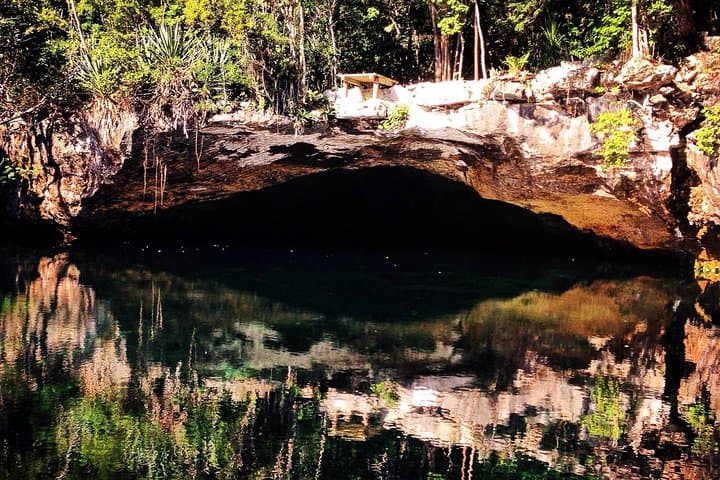
The site sits on uplifted coral limestone; it was a late-Postclassic Maya port and a waypoint for trade in goods like salt and textiles. A short drive inland moves the story from exposed coast to the Yucatán’s hidden plumbing: cenotes carved by collapsed limestone and centuries of groundwater movement. These sinkholes are both geological windows into the region’s aquifer and cultural sites of importance to Maya communities.
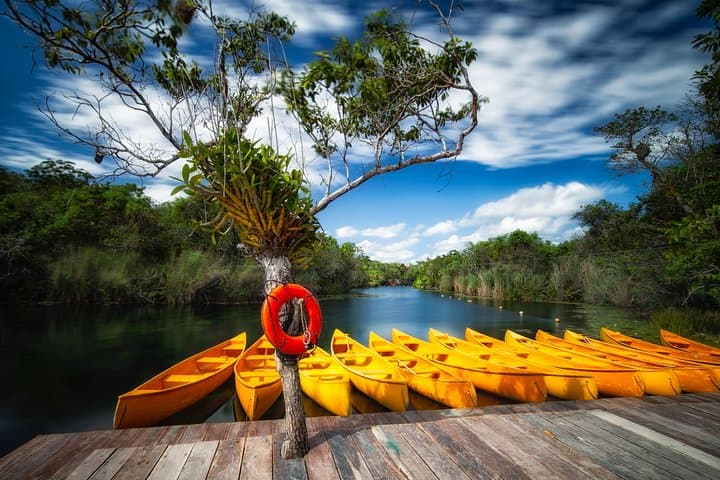
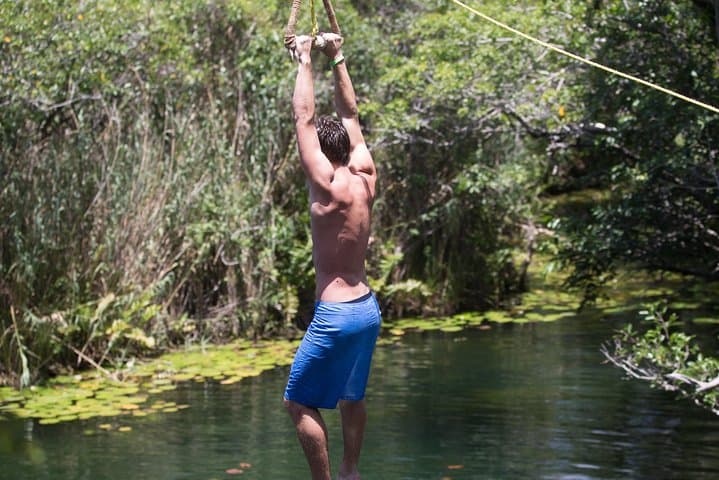
This combined half- to full-day excursion mixes history with active play — short guided walks among the ruins, then jungle trails to swim, snorkel, paddle and launch brief zipline runs over cenote pools. Local guides often serve a traditional Maya lunch and share cultural context about the sites and cuisine.
Practical notes: arrive with reef-safe sunscreen, a swimsuit under clothes for quick changes, and water-resistant shoes that grip wet rock. Expect uneven paths, humid heat and stairs at archaeological viewpoints. Bring a small towel and a dry bag for electronics, and budget time for photo stops and changing lines at cenote facilities. If you’re prone to claustrophobia or have back issues, some options (zipline exits, ladder descents) may feel strenuous. Early starts cut the crowds; mid-morning is best for calmer cenote water and softer light on the ruins.
moderate.
8 hours.
Moderate fitness: comfortable walking on uneven terrain, climbing stairs and short hikes; basic swimming required for cenotes.
Many cenotes have shallow edges and buoyancy aids, but basic swimming ability is recommended; guides provide life jackets and guidance.
The itinerary notes admission included for the Tulum visit; confirm at booking if the archaeological zone fee is covered.
Lunch is provided and typically includes traditional Mayan dishes; bring snacks if you have dietary restrictions and notify the operator in advance.
Private transport and hotel pickup are listed as inclusions; pick-up fees vary by neighborhood so confirm your pickup point when booking.
Tulum was a Late Postclassic Maya coastal trading post with defensive walls and a prominent temple facing the sea, active into the 16th century.
Visitors should use reef-safe products, avoid leaving trash, and follow guide instructions to protect delicate cenote ecosystems and archaeological areas.
Mexico Kan Tours operates guided outdoor trips and adventures with an emphasis on safety, stewardship, and memorable experiences.
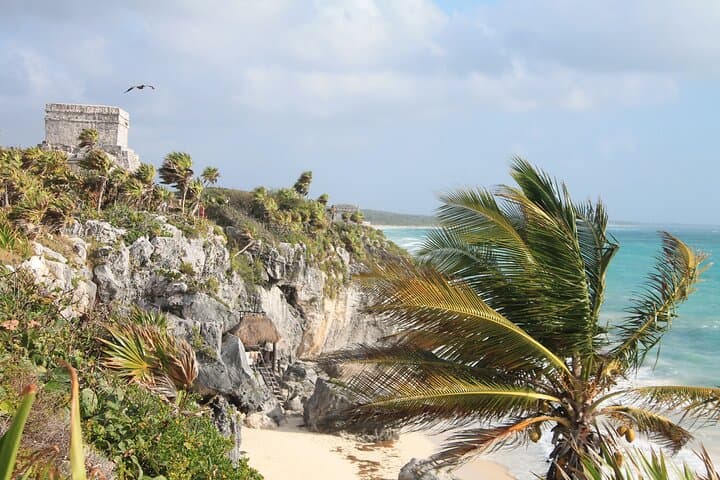
Morning light slides across the limestone cliffs as the Caribbean’s turquoise edge frames the stone walls of Tulum. Visitors arrive before the crowds to feel the wind and hear gulls press against the ruins — a compact coastal city where stairwells drop straight toward the sea and the Castillo keeps watch.
Morning light slides across the limestone cliffs as the Caribbean’s turquoise edge frames the stone walls of Tulum. Visitors arrive before the crowds to feel the wind and hear gulls press against the ruins — a compact coastal city where stairwells drop straight toward the sea and the Castillo keeps watch.
The site sits on uplifted coral limestone; it was a late-Postclassic Maya port and a waypoint for trade in goods like salt and textiles. A short drive inland moves the story from exposed coast to the Yucatán’s hidden plumbing: cenotes carved by collapsed limestone and centuries of groundwater movement. These sinkholes are both geological windows into the region’s aquifer and cultural sites of importance to Maya communities.
This combined half- to full-day excursion mixes history with active play — short guided walks among the ruins, then jungle trails to swim, snorkel, paddle and launch brief zipline runs over cenote pools. Local guides often serve a traditional Maya lunch and share cultural context about the sites and cuisine.
Practical notes: arrive with reef-safe sunscreen, a swimsuit under clothes for quick changes, and water-resistant shoes that grip wet rock. Expect uneven paths, humid heat and stairs at archaeological viewpoints. Bring a small towel and a dry bag for electronics, and budget time for photo stops and changing lines at cenote facilities. If you’re prone to claustrophobia or have back issues, some options (zipline exits, ladder descents) may feel strenuous. Early starts cut the crowds; mid-morning is best for calmer cenote water and softer light on the ruins.