THE ADVENTURE COLLECTIVE® · Independent discovery and booking for outdoor travel

Spend a full day moving from the cliff-top Mayan ruins of Tulum to cavernous cenotes and the striking Madre Naturaleza sculpture. This guide covers what you'll see, why the sites matter, and how to prepare for a long, active day.
Spend a full day moving from the cliff-top Mayan ruins of Tulum to cavernous cenotes and the striking Madre Naturaleza sculpture. This guide covers what you'll see, why the sites matter, and how to prepare for a long, active day.
You arrive before the heat of the day, wind from the Caribbean lifting salt across the cliffs as stone staircases step down to a ruined plaza. The Tulum archaeological site sits on a bluff that demands attention—the sea presses at its feet while columns and altars hold traces of a busy Mayan port.
Verified experiences and guided adventures in the surrounding area.
Operated by Isla Mujeres Cozumel Tour Operator · Tulum, Quintana Roo
You arrive before the heat of the day, wind from the Caribbean lifting salt across the cliffs as stone staircases step down to a ruined plaza. The Tulum archaeological site sits on a bluff that demands attention—the sea presses at its feet while columns and altars hold traces of a busy Mayan port.
This tour threads culture, contemporary art and geology into a single day. Tulum was a fortified coastal city during the Late Postclassic Maya era, important for trade and sea navigation; its limestone cliffs and porous bedrock created sinkholes—cenotes—used for drinking water and ritual. Modern art punctuates the landscape too: Daniel Popper’s Madre Naturaleza sculpture frames visitors against jungle and sky, a photographic draw born from contemporary creativity meeting ancient ground.
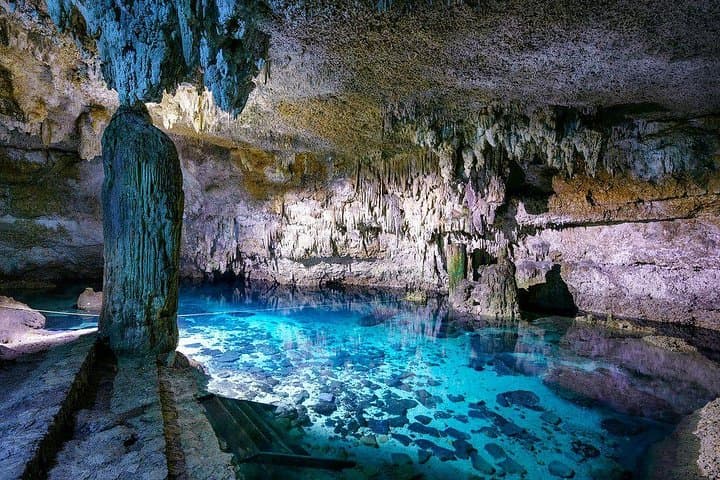
You’ll move from interpretive ruins to two distinct cenotes: a grottoed pool with light filtering through fissures, and a larger open cenote where clear water invites a long float. Guides will explain Mayan beliefs about sacred waters and practical safety for swimming in caverns.
Practical edge: this is a full-day outing—expect 13–15 hours including hotel transfer. Wear non-slip water shoes, reef-safe sunscreen, and quick-dry layers; bring cash for small purchases. Time your visit early for cooler air and softer light at the ruins, and reserve an extra hour at the cenotes to rinse and change comfortably. Keep movements respectful in archaeological areas and avoid lotions in cenotes to protect fragile karst ecosystems.
The day balances history, hands-on nature and a contemporary photo moment—an accessible, sensory-rich slice of the Riviera Maya.
moderate.
13–15 hours.
Suitable for travelers in average fitness; requires walking on uneven stone, short swims, and a long day of standing and transfers
Basic swimming ability is recommended for cenote swims; life jackets are often available for less confident swimmers.
Yes—the tour includes entrance to the Tulum archaeological zone and the cenote parks listed in the itinerary.
Yes—it's a public art installation and a popular photo stop; be mindful of other visitors and follow any on-site signage.
Round-trip transportation from Riviera Maya and Cancun-area hotels is included; pickup time is provided after booking.
Tulum was a Late Postclassic Maya port city strategically placed on cliffs for defense and maritime trade, with buildings oriented toward the sea.
Cenotes are fragile karst systems—use biodegradable products, avoid touching formations, and follow local rules to reduce impact.
Isla Mujeres Cozumel Tour Operator operates guided outdoor trips and adventures with an emphasis on safety, stewardship, and memorable experiences.
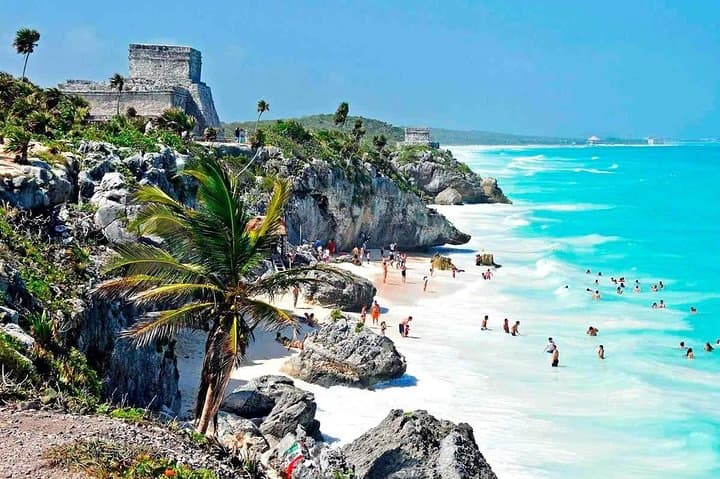
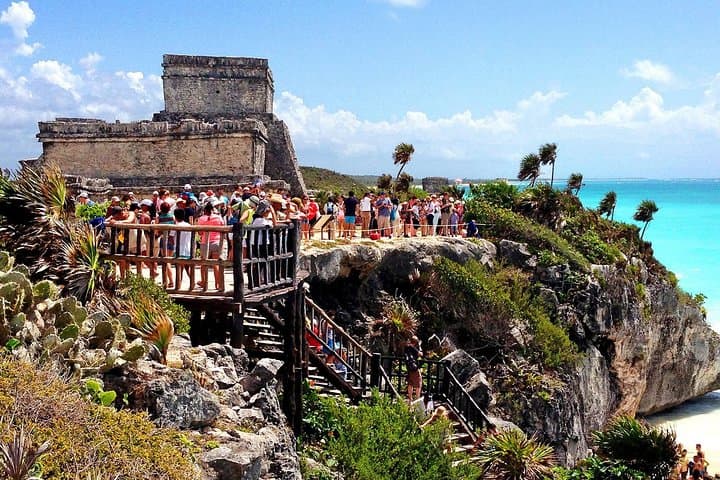
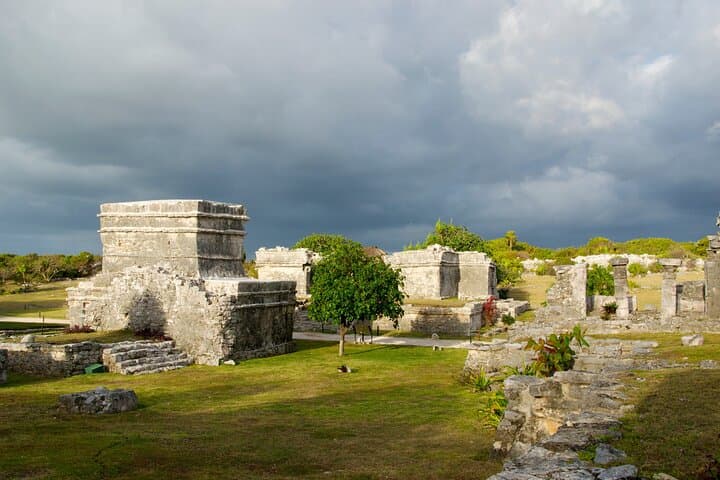
You arrive before the heat of the day, wind from the Caribbean lifting salt across the cliffs as stone staircases step down to a ruined plaza. The Tulum archaeological site sits on a bluff that demands attention—the sea presses at its feet while columns and altars hold traces of a busy Mayan port.
You arrive before the heat of the day, wind from the Caribbean lifting salt across the cliffs as stone staircases step down to a ruined plaza. The Tulum archaeological site sits on a bluff that demands attention—the sea presses at its feet while columns and altars hold traces of a busy Mayan port.
This tour threads culture, contemporary art and geology into a single day. Tulum was a fortified coastal city during the Late Postclassic Maya era, important for trade and sea navigation; its limestone cliffs and porous bedrock created sinkholes—cenotes—used for drinking water and ritual. Modern art punctuates the landscape too: Daniel Popper’s Madre Naturaleza sculpture frames visitors against jungle and sky, a photographic draw born from contemporary creativity meeting ancient ground.
You’ll move from interpretive ruins to two distinct cenotes: a grottoed pool with light filtering through fissures, and a larger open cenote where clear water invites a long float. Guides will explain Mayan beliefs about sacred waters and practical safety for swimming in caverns.
Practical edge: this is a full-day outing—expect 13–15 hours including hotel transfer. Wear non-slip water shoes, reef-safe sunscreen, and quick-dry layers; bring cash for small purchases. Time your visit early for cooler air and softer light at the ruins, and reserve an extra hour at the cenotes to rinse and change comfortably. Keep movements respectful in archaeological areas and avoid lotions in cenotes to protect fragile karst ecosystems.
The day balances history, hands-on nature and a contemporary photo moment—an accessible, sensory-rich slice of the Riviera Maya.