THE ADVENTURE COLLECTIVE® · Independent discovery and booking for outdoor travel

Spend a full day exploring Tulum’s cliff-top ruins, taking a framed photo at Daniel Popper’s iconic sculpture, and swimming in two of the Riviera Maya’s clearest cenotes. This guided tour combines cultural context with hands-on time in freshwater caves and a regional lunch.
Spend a full day exploring Tulum’s cliff-top ruins, taking a framed photo at Daniel Popper’s iconic sculpture, and swimming in two of the Riviera Maya’s clearest cenotes. This guided tour combines cultural context with hands-on time in freshwater caves and a regional lunch.
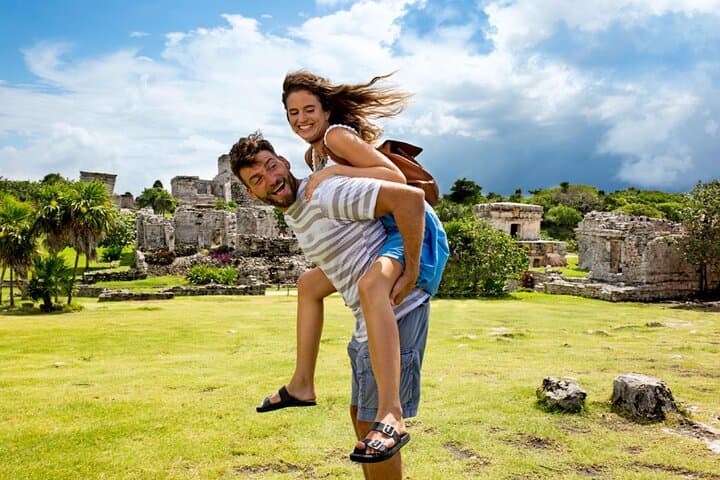
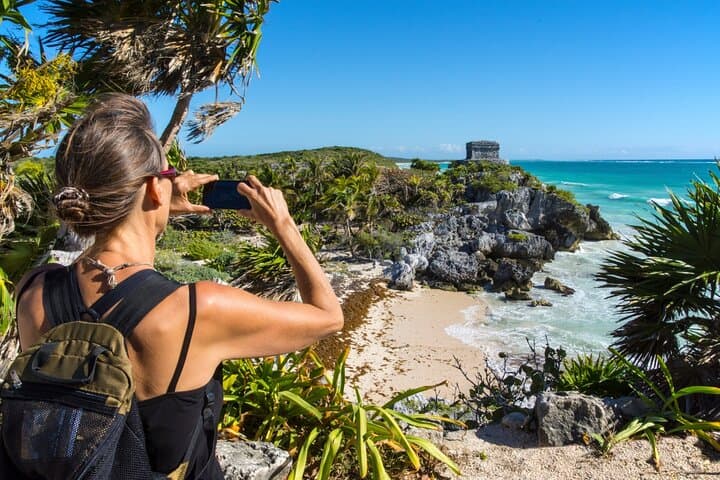
A breeze off the Caribbean lifts the humidity as a small group steps through the entry gate and into the coastal ruins of Tulum. Stone walls perch on a low limestone cliff; below, the sea cuts a flat, turquoise sheet that dares visitors to look away. The guide moves with a practiced cadence, pointing out vaulted rooms and the watchtower whose line of sight once monitored trade routes.
Verified experiences and guided adventures in the surrounding area.
Operated by Coba Tulum Tour Operator · Tulum, Quintana Roo
A breeze off the Caribbean lifts the humidity as a small group steps through the entry gate and into the coastal ruins of Tulum. Stone walls perch on a low limestone cliff; below, the sea cuts a flat, turquoise sheet that dares visitors to look away. The guide moves with a practiced cadence, pointing out vaulted rooms and the watchtower whose line of sight once monitored trade routes.
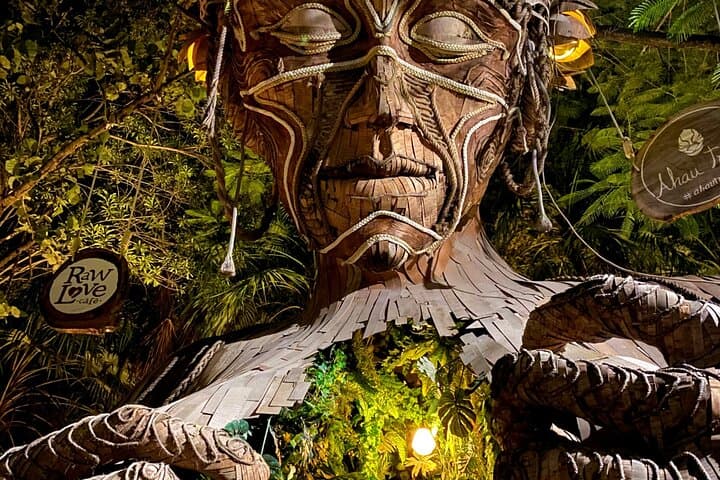
Tulum is one of the last major Mayan cities and became prominent in the late Postclassic period (roughly 1200–1500 CE) as a fortified trading port. The limestone substrate here shapes everything—cliffs, cenotes and the thin soils that sustain scrubby jungle. Contemporary culture threads through the visit: Daniel Popper’s “Madre Naturaleza” sculpture stands as a modern invocation of the region’s relationship with the living world.
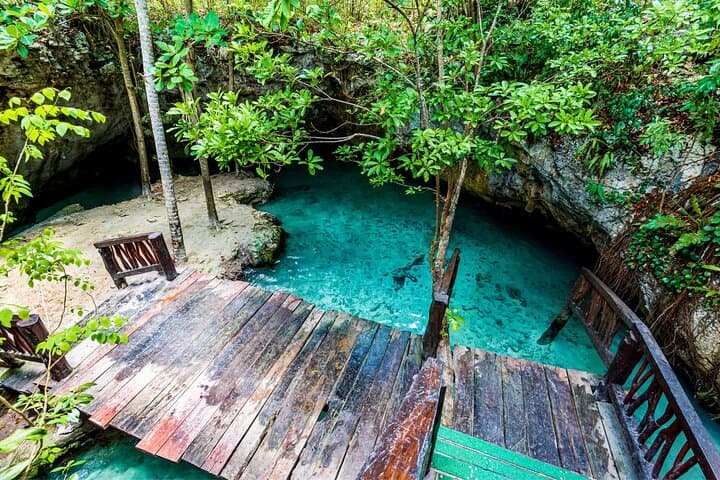
The second half of the day shifts inland to Dos Ojos and the Grand Cenote, where clear, fresh water fills collapsed limestone caverns. Expect swims of about an hour per cenote, easy snorkeling in calm, protected pools, and the muffled world under a canopy of ceiba and strangler figs.
Practical notes: dress for sun and water—bring a swimsuit under quick-dry layers, reef-safe sunscreen, and water shoes. The tour runs roughly 12–14 hours with hotel pickup, so plan for a full day and keep valuables dry. Follow guides’ instructions in cenotes to protect fragile formations and respect local regulations—these sites are both archaeological and ecological resources.
easy.
12–14 hours.
Suitable for people comfortable with several hours of walking on uneven ground and basic swimming for cenote swims.
Most departures include hotel pickup within Tulum area; confirm pickup point on your voucher and allow time for shared transport.
Life vests are typically provided and staff supervise; non-swimmers can still participate but should remain in shallow or guided areas.
Large bags may be restricted; bring a small daypack and carry only essentials to ease movement and obey site rules.
The tour includes one dish lunch and a boxed breakfast; notify the operator of dietary restrictions when booking.
Tulum was a fortified Mayan coastal city prominent in the late Postclassic era (c. 1200–1500 CE), serving as a regional trade and maritime lookout.
Visitors should use reef-safe sunscreen, avoid touching cave formations, and follow local rules to minimize impact on fragile cenote ecosystems and archaeological sites.
Coba Tulum Tour Operator operates guided outdoor trips and adventures with an emphasis on safety, stewardship, and memorable experiences.
A breeze off the Caribbean lifts the humidity as a small group steps through the entry gate and into the coastal ruins of Tulum. Stone walls perch on a low limestone cliff; below, the sea cuts a flat, turquoise sheet that dares visitors to look away. The guide moves with a practiced cadence, pointing out vaulted rooms and the watchtower whose line of sight once monitored trade routes.
A breeze off the Caribbean lifts the humidity as a small group steps through the entry gate and into the coastal ruins of Tulum. Stone walls perch on a low limestone cliff; below, the sea cuts a flat, turquoise sheet that dares visitors to look away. The guide moves with a practiced cadence, pointing out vaulted rooms and the watchtower whose line of sight once monitored trade routes.
Tulum is one of the last major Mayan cities and became prominent in the late Postclassic period (roughly 1200–1500 CE) as a fortified trading port. The limestone substrate here shapes everything—cliffs, cenotes and the thin soils that sustain scrubby jungle. Contemporary culture threads through the visit: Daniel Popper’s “Madre Naturaleza” sculpture stands as a modern invocation of the region’s relationship with the living world.
The second half of the day shifts inland to Dos Ojos and the Grand Cenote, where clear, fresh water fills collapsed limestone caverns. Expect swims of about an hour per cenote, easy snorkeling in calm, protected pools, and the muffled world under a canopy of ceiba and strangler figs.
Practical notes: dress for sun and water—bring a swimsuit under quick-dry layers, reef-safe sunscreen, and water shoes. The tour runs roughly 12–14 hours with hotel pickup, so plan for a full day and keep valuables dry. Follow guides’ instructions in cenotes to protect fragile formations and respect local regulations—these sites are both archaeological and ecological resources.