THE ADVENTURE COLLECTIVE® · Independent discovery and booking for outdoor travel

Spend a full day exploring Tulum’s cliff-top ruins, swimming in a jungle cenote, and snorkeling alongside sea turtles in Akumal. This private tour blends cultural history, geology, and marine encounters with practical logistics for an active day on the Riviera Maya.
Spend a full day exploring Tulum’s cliff-top ruins, swimming in a jungle cenote, and snorkeling alongside sea turtles in Akumal. This private tour blends cultural history, geology, and marine encounters with practical logistics for an active day on the Riviera Maya.
You step onto warm limestone, the Caribbean stretching out as a flattened sheet of turquoise beneath the cliffs — gulls slice the air and the wind smells faintly of salt and copal. The Tulum archaeological site opens like a lived-in postcard: squarish stone temples, stairways worn smooth, and a coastline view that explains why the Maya chose this promontory centuries ago.
Verified experiences and guided adventures in the surrounding area.
Operated by AGILA TOURS · Tulum, Quintana Roo
You step onto warm limestone, the Caribbean stretching out as a flattened sheet of turquoise beneath the cliffs — gulls slice the air and the wind smells faintly of salt and copal. The Tulum archaeological site opens like a lived-in postcard: squarish stone temples, stairways worn smooth, and a coastline view that explains why the Maya chose this promontory centuries ago.
Tulum was a late-Postclassic port city, active between roughly 1200–1500 CE, its walls guarding trade routes along the coast. Geologically the Riviera Maya sits on porous Yucatán limestone; cenotes are the roofless veins where the groundwater meets daylight, offering cool freshwater pools carved by millennia of dissolution.
This full-day private tour pairs a guided walkthrough of the ruins with a jungle cenote swim and a snorkel in Akumal Bay, where seagrass beds attract grazing green turtles. Expect a mix of dry archaeological paths and wet, shallow snorkeling zones; guides cover both cultural context and marine etiquette.
Practical notes: the day is long (roughly 10–11 hours) with vehicle transfers between sites, moderate walking over uneven stone, and several short swims. Bring a rash guard to comply with no-sunscreen rules in protected marine areas, carry cash for local reserve and marine taxes, and wear sturdy sandals or reef shoes for transitions between sand, rock, and boat. Timing matters: mornings are cooler and less crowded at each stop. Travel with reusable water, follow your guide’s instructions around wildlife, and let the place do the talking—its ruins and reefs tell overlapping stories of people, stone, and sea.
moderate.
10–11 hours.
Moderate fitness; able to walk on uneven terrain, swim snorkeling distances in shallow water, and handle a long day with transport.
No—Tulum Reserve and Akumal marine protection taxes are paid on-site (typically ~400 MXN each; Tulum may be reduced on Sundays). Bring cash.
Yes, basic snorkeling gear is included, but you may prefer your own mask for fit and comfort.
No—touching or feeding turtles is prohibited; guides enforce strict guidelines to protect animals and seagrass beds.
The tour involves swimming and snorkeling; non-swimmers can still enjoy the ruins and cenote shores but should disclose needs at booking and use life jackets if available.
Tulum was a late-Postclassic Maya port city (c. 1200–1500 CE), fortified with walls and serving trade along the Caribbean coast.
The area enforces marine protection rules—visitor taxes fund conservation programs and strict no-sunscreen policies protect coral and seagrass habitats.
AGILA TOURS operates guided outdoor trips and adventures with an emphasis on safety, stewardship, and memorable experiences.
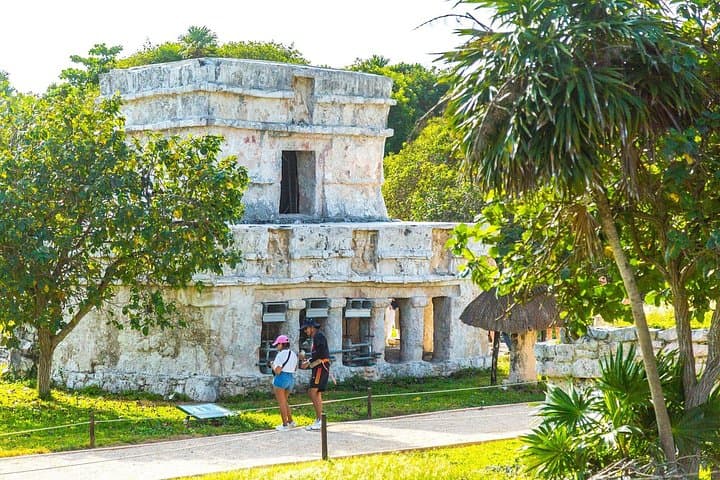
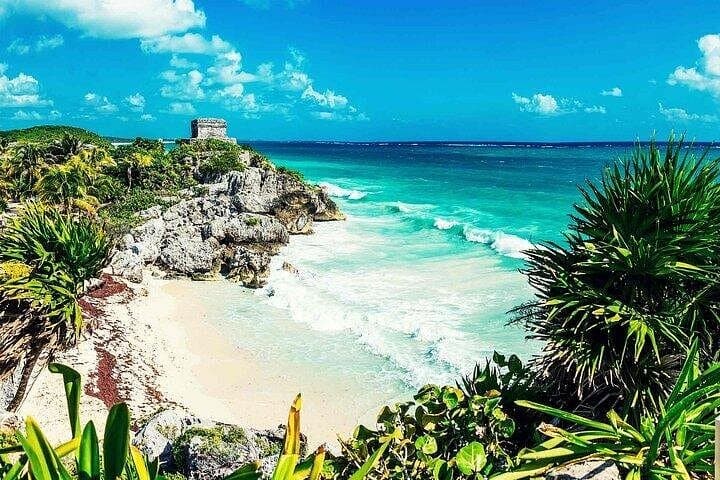
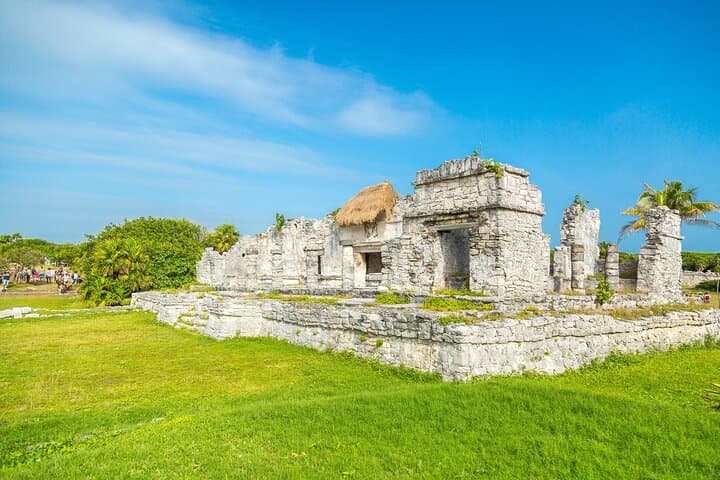
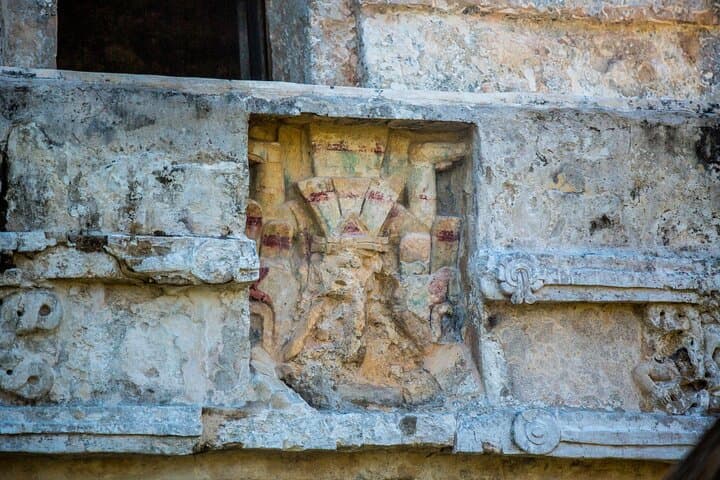
You step onto warm limestone, the Caribbean stretching out as a flattened sheet of turquoise beneath the cliffs — gulls slice the air and the wind smells faintly of salt and copal. The Tulum archaeological site opens like a lived-in postcard: squarish stone temples, stairways worn smooth, and a coastline view that explains why the Maya chose this promontory centuries ago.
You step onto warm limestone, the Caribbean stretching out as a flattened sheet of turquoise beneath the cliffs — gulls slice the air and the wind smells faintly of salt and copal. The Tulum archaeological site opens like a lived-in postcard: squarish stone temples, stairways worn smooth, and a coastline view that explains why the Maya chose this promontory centuries ago.
Tulum was a late-Postclassic port city, active between roughly 1200–1500 CE, its walls guarding trade routes along the coast. Geologically the Riviera Maya sits on porous Yucatán limestone; cenotes are the roofless veins where the groundwater meets daylight, offering cool freshwater pools carved by millennia of dissolution.
This full-day private tour pairs a guided walkthrough of the ruins with a jungle cenote swim and a snorkel in Akumal Bay, where seagrass beds attract grazing green turtles. Expect a mix of dry archaeological paths and wet, shallow snorkeling zones; guides cover both cultural context and marine etiquette.
Practical notes: the day is long (roughly 10–11 hours) with vehicle transfers between sites, moderate walking over uneven stone, and several short swims. Bring a rash guard to comply with no-sunscreen rules in protected marine areas, carry cash for local reserve and marine taxes, and wear sturdy sandals or reef shoes for transitions between sand, rock, and boat. Timing matters: mornings are cooler and less crowded at each stop. Travel with reusable water, follow your guide’s instructions around wildlife, and let the place do the talking—its ruins and reefs tell overlapping stories of people, stone, and sea.