THE ADVENTURE COLLECTIVE® · Independent discovery and booking for outdoor travel

Combine a concise archaeological walk of Tulum’s cliffside ruins with swims and snorkeling in several open cenotes. This short guided tour pairs history, geology, and quick access to crystal-clear underground water for an easy half-day adventure.
Combine a concise archaeological walk of Tulum’s cliffside ruins with swims and snorkeling in several open cenotes. This short guided tour pairs history, geology, and quick access to crystal-clear underground water for an easy half-day adventure.
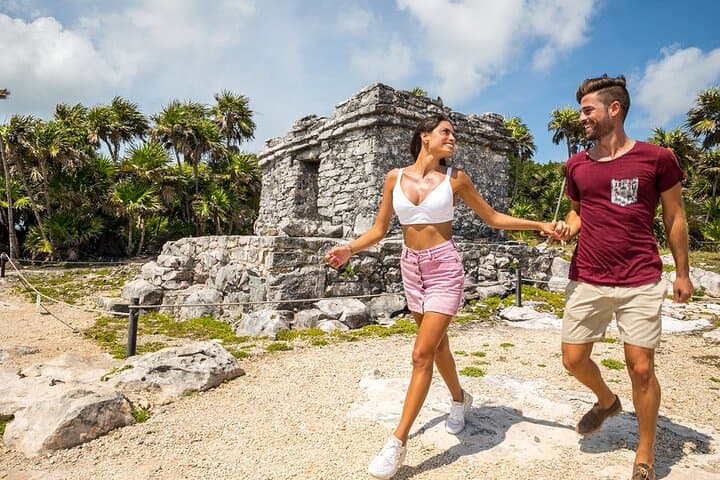
You step off an air‑conditioned van onto sun-warmed limestone, the Caribbean glittering beyond a low stone wall as gulls wheel above the cliff. The Tulum ruins sit like a coastal lookout—stuccoed stone temples facing turquoise water—while inland the jungle gives way to sinkholes where clear, cool cenote water waits.
Verified experiences and guided adventures in the surrounding area.
Operated by Mexitur · Tulum, Quintana Roo
You step off an air‑conditioned van onto sun-warmed limestone, the Caribbean glittering beyond a low stone wall as gulls wheel above the cliff. The Tulum ruins sit like a coastal lookout—stuccoed stone temples facing turquoise water—while inland the jungle gives way to sinkholes where clear, cool cenote water waits.
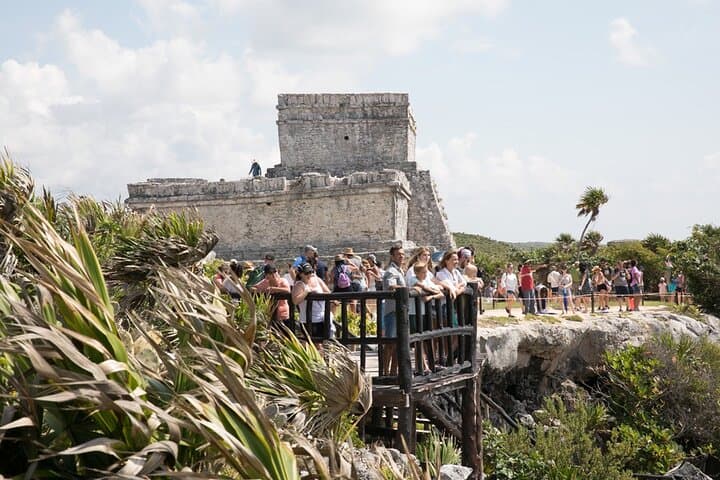
Tulum was a Late Postclassic Mayan port city; its cliffside Castillo watched trade routes and storms. The cenotes you’ll visit are expressions of the Yucatán’s karst geology: collapsed limestone that opened the roof to the underground river system. For the Maya, cenotes were portals to Xibalbá and places of offerings; modern guides still point out pottery shards and the folklore of aluxes guarding the pools.
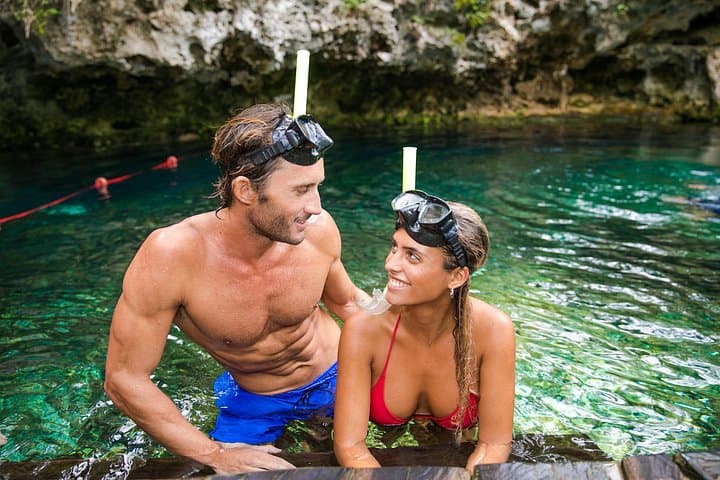
The experience moves fast: a guided walk through Tulum’s archaeological zone with historical context, then transfers to a selection of open cenotes where snorkeling and swimming reveal stalactites, clear haloclines and schooling fish. Guides provide life vests and snorkel gear; expect calm water, cool shade from overhanging vines, and the occasional bat roosting in cave mouths.
Practicalities matter: the tour runs about three hours, includes bottled water and private transport, and is rated easy—suitable for most travelers though footing can be uneven on limestone and wet steps. Bring reef‑safe sunscreen, a towel, water shoes, and a camera with a waterproof case. Go early to beat heat and crowds, and follow your guide’s safety brief: cenotes are ecologically sensitive and best enjoyed with minimal impact.
easy.
3 hours.
Suitable for most fitness levels; requires short walks on uneven limestone and basic swimming ability for snorkeling.
Admission for the cenotes visited on this express tour is included; entry to the Tulum archaeological zone is typically not included—confirm at booking.
Yes—snorkel gear and life vests are provided and included in the tour price.
Yes—private, air‑conditioned transportation between sites and back to the pickup point is included.
The tour is rated easy and suitable for most ages; infants must sit on laps and life vests are provided—non‑swimmers should remain in shallow areas and follow guide instructions.
Tulum was a Late Postclassic Mayan port city known for its walled cliffside position; cenotes were sacred freshwater sources and ritual sites tied to beliefs about Xibalbá.
The Yucatán’s karst aquifer and reefs are fragile—use reef‑safe products, avoid littering, and follow guide instructions to minimize disturbance to formations and wildlife.
Mexitur operates guided outdoor trips and adventures with an emphasis on safety, stewardship, and memorable experiences.
You step off an air‑conditioned van onto sun-warmed limestone, the Caribbean glittering beyond a low stone wall as gulls wheel above the cliff. The Tulum ruins sit like a coastal lookout—stuccoed stone temples facing turquoise water—while inland the jungle gives way to sinkholes where clear, cool cenote water waits.
You step off an air‑conditioned van onto sun-warmed limestone, the Caribbean glittering beyond a low stone wall as gulls wheel above the cliff. The Tulum ruins sit like a coastal lookout—stuccoed stone temples facing turquoise water—while inland the jungle gives way to sinkholes where clear, cool cenote water waits.
Tulum was a Late Postclassic Mayan port city; its cliffside Castillo watched trade routes and storms. The cenotes you’ll visit are expressions of the Yucatán’s karst geology: collapsed limestone that opened the roof to the underground river system. For the Maya, cenotes were portals to Xibalbá and places of offerings; modern guides still point out pottery shards and the folklore of aluxes guarding the pools.
The experience moves fast: a guided walk through Tulum’s archaeological zone with historical context, then transfers to a selection of open cenotes where snorkeling and swimming reveal stalactites, clear haloclines and schooling fish. Guides provide life vests and snorkel gear; expect calm water, cool shade from overhanging vines, and the occasional bat roosting in cave mouths.
Practicalities matter: the tour runs about three hours, includes bottled water and private transport, and is rated easy—suitable for most travelers though footing can be uneven on limestone and wet steps. Bring reef‑safe sunscreen, a towel, water shoes, and a camera with a waterproof case. Go early to beat heat and crowds, and follow your guide’s safety brief: cenotes are ecologically sensitive and best enjoyed with minimal impact.