THE ADVENTURE COLLECTIVE® · Independent discovery and booking for outdoor travel

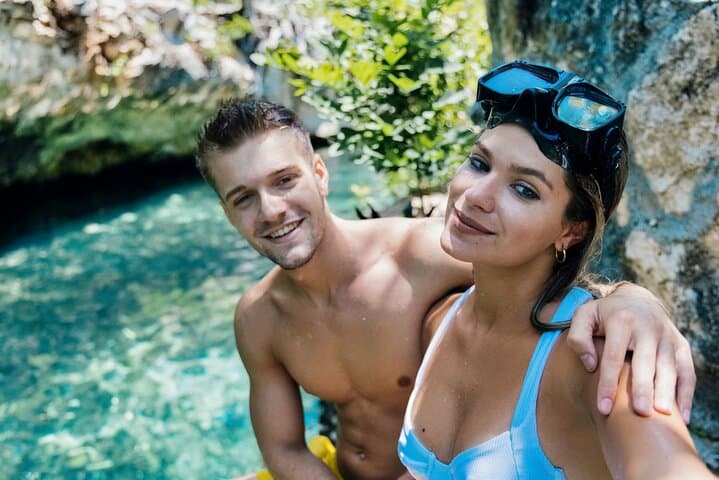
Walk the seaside terraces of Tulum with a guide, then cool off in a freshwater cenote. This day trip pairs priority access at the Mayan ruins with a guided swim through a karst cave system—perfect for history buffs and swimmers alike.
Walk the seaside terraces of Tulum with a guide, then cool off in a freshwater cenote. This day trip pairs priority access at the Mayan ruins with a guided swim through a karst cave system—perfect for history buffs and swimmers alike.
A salt-scented wind meets the limestone cliff as the guide leads the group onto a narrow path above the Caribbean. The stone temples of Tulum sit like a coastal citadel, white against turquoise water, while small waves lap the beach below and iguanas sun themselves on ruined walls.
Verified experiences and guided adventures in the surrounding area.
Operated by Cancun Travel Experience · Tulum, Quintana Roo
A salt-scented wind meets the limestone cliff as the guide leads the group onto a narrow path above the Caribbean. The stone temples of Tulum sit like a coastal citadel, white against turquoise water, while small waves lap the beach below and iguanas sun themselves on ruined walls.
Tulum was a strategic Mayan port from the Postclassic period, its walls and the nearby observatory speak to trade, astronomy and maritime power. Geologically the region is karst limestone: rainwater has dissolved caverns for millennia and created cenotes—vertical windows into an extensive freshwater network. Cultural weight hangs here; cenotes were sacred to the Maya and remain central to local tradition.
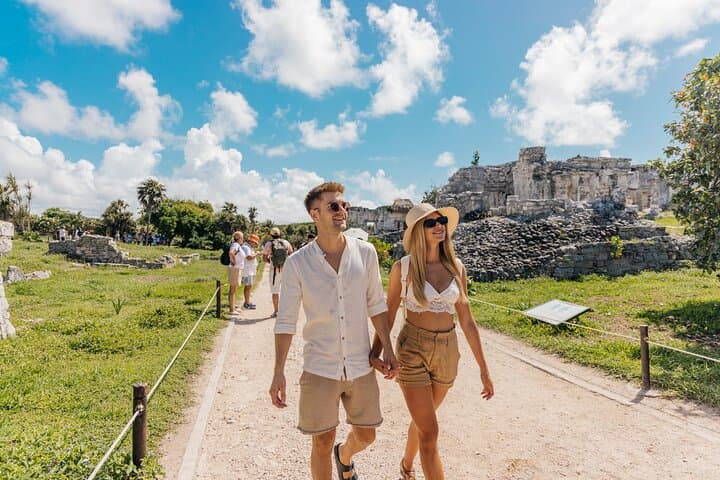
Expect a guided, two-hour walk through the archaeological site with prioritized entry that shortens lines, followed by a 45–60 minute stop at a clear, cool cenote for a swim and optional snorkel. The route is flat coastal terrain with sandy stretches and stone steps—plan on about 1.5 miles (2 km) of easy walking plus stairs. The whole outing runs roughly eight hours with hotel pickup options from Cancun and Riviera Maya.
Practically: bring cash (750 MXN surcharge is payable on-site), reef-safe sunscreen, swimwear and a towel, and a full water bottle. Wear shoes with grip for stairs and uneven stone. Go early to avoid midday crowds and heat; the cenote’s fresh water will feel like a deliberate cool hand after the sun. Respect the site—no touching carvings or diving from ledges—to help protect both ruins and fragile underwater formations.
easy.
8 hours.
Suitable for travelers who can walk roughly 1.5 miles (2 km) at a leisurely pace and climb/descend stairs
Roundtrip transfer is available from many centrally located hotels in Cancun, Playa del Carmen and the Riviera Maya—confirm pickup time with the operator and meet other pickup points if outside coverage.
Expect about 1.5 miles (2 km) of walking at a leisurely pace with several stone stair sections inside the ruins and at cenote access points.
As of Jan 2, 2025, a mandatory federal and local fee totaling 750 MXN per visitor is payable in cash at the archaeological site for access and conservation.
Many cenotes offer basic changing areas and gear storage, but facilities vary—bring a dry bag for valuables and be prepared for limited locker availability.
Tulum served as a coastal trading hub for the Maya in the Postclassic period and contains ceremonial platforms, a seafront castle and an astronomical observatory used for tracking celestial events.
High visitor numbers stress both ruins and freshwater cenotes; follow rules—use eco-friendly sunscreen, avoid touching formations, and pay on-site fees that fund local conservation.
Cancun Travel Experience operates guided outdoor trips and adventures with an emphasis on safety, stewardship, and memorable experiences.
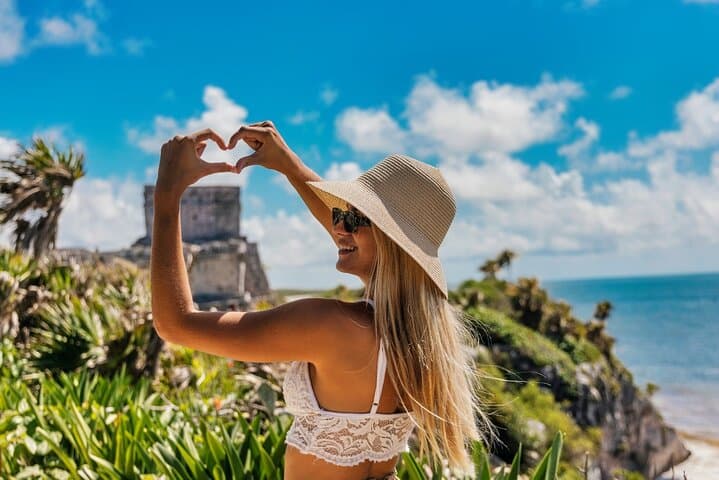
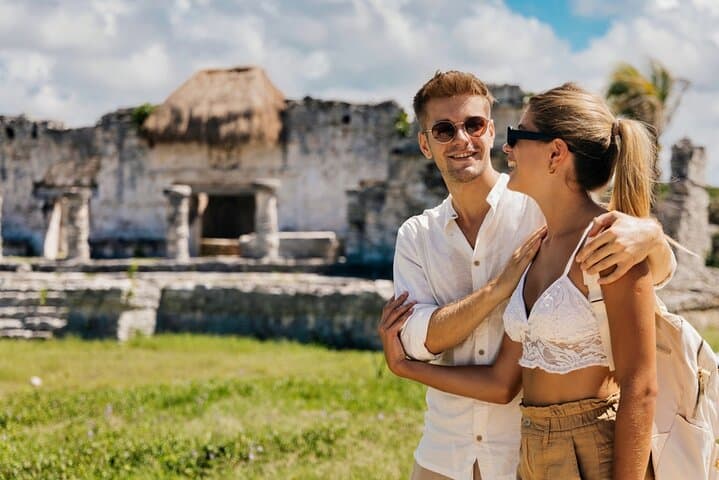
A salt-scented wind meets the limestone cliff as the guide leads the group onto a narrow path above the Caribbean. The stone temples of Tulum sit like a coastal citadel, white against turquoise water, while small waves lap the beach below and iguanas sun themselves on ruined walls.
A salt-scented wind meets the limestone cliff as the guide leads the group onto a narrow path above the Caribbean. The stone temples of Tulum sit like a coastal citadel, white against turquoise water, while small waves lap the beach below and iguanas sun themselves on ruined walls.
Tulum was a strategic Mayan port from the Postclassic period, its walls and the nearby observatory speak to trade, astronomy and maritime power. Geologically the region is karst limestone: rainwater has dissolved caverns for millennia and created cenotes—vertical windows into an extensive freshwater network. Cultural weight hangs here; cenotes were sacred to the Maya and remain central to local tradition.
Expect a guided, two-hour walk through the archaeological site with prioritized entry that shortens lines, followed by a 45–60 minute stop at a clear, cool cenote for a swim and optional snorkel. The route is flat coastal terrain with sandy stretches and stone steps—plan on about 1.5 miles (2 km) of easy walking plus stairs. The whole outing runs roughly eight hours with hotel pickup options from Cancun and Riviera Maya.
Practically: bring cash (750 MXN surcharge is payable on-site), reef-safe sunscreen, swimwear and a towel, and a full water bottle. Wear shoes with grip for stairs and uneven stone. Go early to avoid midday crowds and heat; the cenote’s fresh water will feel like a deliberate cool hand after the sun. Respect the site—no touching carvings or diving from ledges—to help protect both ruins and fragile underwater formations.