THE ADVENTURE COLLECTIVE® · Independent discovery and booking for outdoor travel

Walk the cliff-top ruins of Tulum with an expert guide, then cool off in a world-class cenote—an underground pool carved from limestone. This full-day tour blends Mayan history, coastal vistas, and a cavern swim for travelers who want context with their adventure.
Walk the cliff-top ruins of Tulum with an expert guide, then cool off in a world-class cenote—an underground pool carved from limestone. This full-day tour blends Mayan history, coastal vistas, and a cavern swim for travelers who want context with their adventure.
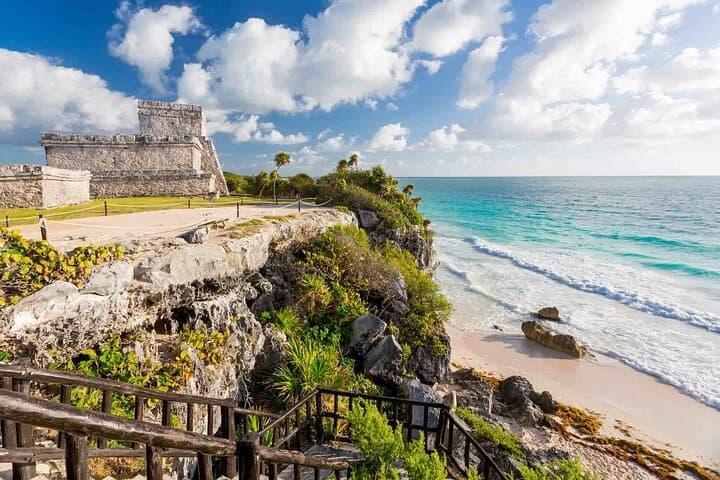
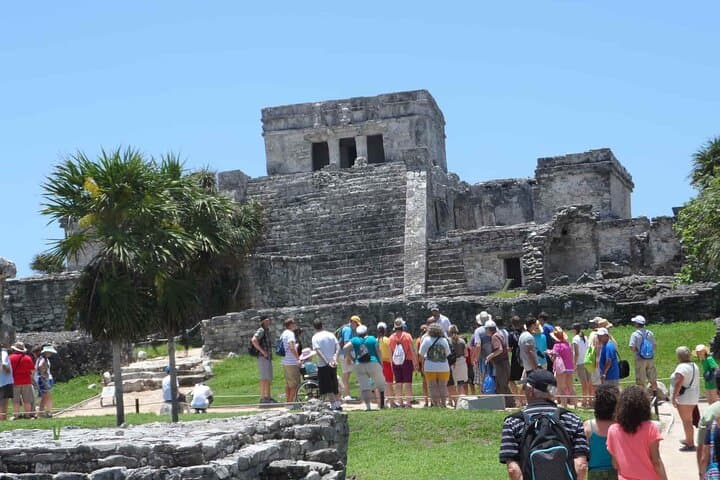
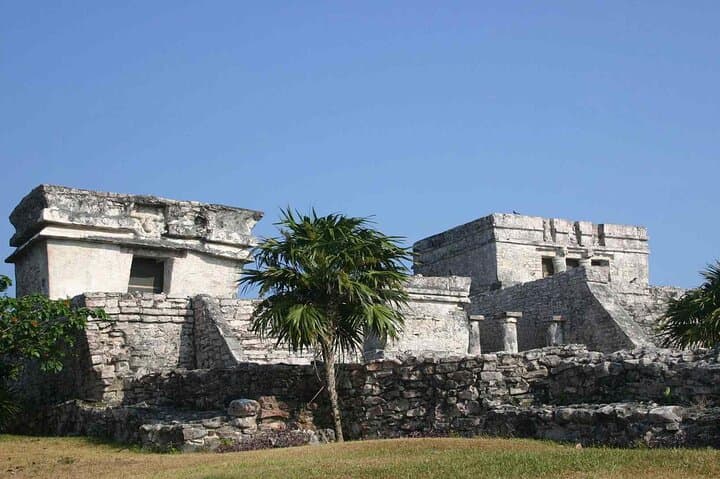
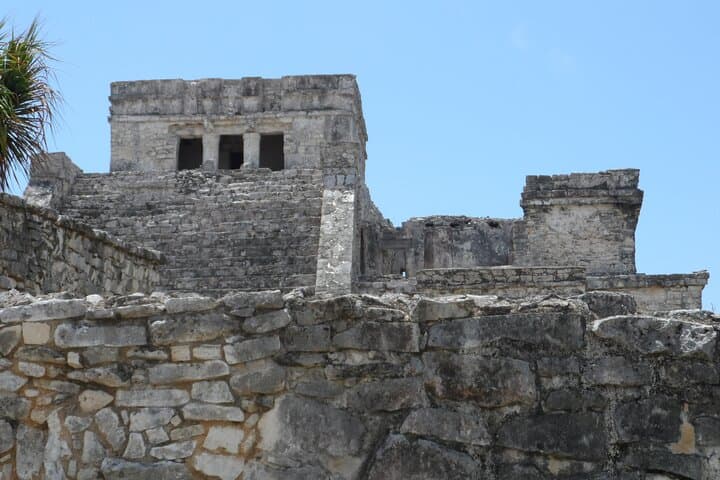
The morning begins with a coastal drive: air-conditioned van moving between palms, the Gulf of Mexico a washed-blue ribbon on the left, and the jungle closing in on the right. Arriving at the Tulum archaeological site feels abrupt—stone walls and stepped platforms rise above a white-sand beach, the Castillo perched at the cliff’s lip as if daring the sea to forget it. Guides from Alma’s LDS Tours walk groups along worn pathways, pointing out carved motifs and trade routes while iguanas sun themselves on low walls.
Verified experiences and guided adventures in the surrounding area.
Operated by Alma's LDS Tours · Tulum, Quintana Roo
The morning begins with a coastal drive: air-conditioned van moving between palms, the Gulf of Mexico a washed-blue ribbon on the left, and the jungle closing in on the right. Arriving at the Tulum archaeological site feels abrupt—stone walls and stepped platforms rise above a white-sand beach, the Castillo perched at the cliff’s lip as if daring the sea to forget it. Guides from Alma’s LDS Tours walk groups along worn pathways, pointing out carved motifs and trade routes while iguanas sun themselves on low walls.
Tulum’s story is immediate and muscular. Occupied by the Maya from roughly 1200 until the early 16th century, it was among the last cities to flourish before European contact—an important coastal trade hub, lined with stores and temples that oversaw maritime routes. Geologically, you’re standing on limestone bedrock shaped by eons of wind and water; beneath your feet, the Yucatán hides a complex network of cenotes and underground rivers carved into porous karst.
After the ruins, the tour turns inward: into the forest and down to one of the region’s celebrated cenotes. The guide explains the science—how sinkholes open, revealing groundwater—and the cultural significance: cenotes were sacred to the Maya, sources of life and ritual. The cenote on this itinerary offers a cool, clear plunge, sometimes into cavern chambers threaded with stalactites and shafts of light that give the water a green-blue clarity. Small fish and the occasional turtle glide when visibility is best.
Practicalities are part of the rhythm. The full outing lasts roughly 5–7 hours including hotel pickup from the Riviera Maya or Tulum, a guided 90-minute walk through the archaeological site, time for shopping, lunch featuring five traditional Mexican choices, and a supervised swim at the cenote. Guides supply context and logistics—what to see, where to photograph, and how to respect fragile sites.
Bring reef-safe sunscreen and use it only after leaving the cenote; most operators ask visitors to rinse off chemicals to protect subterranean ecosystems. Expect warm, humid air at the shore and markedly cooler water underground; life jackets are typically available for non-swimmers. If you’re traveling between November and April, mornings are clearer and crowds lighter; summer brings brief heavy rains but lush foliage.
This tour is a compact, accessible way to experience two very different sides of the Yucatán: the public, civic presence of the Maya on the cliffside and the private, intimate world beneath the jungle floor. For travelers with moderate fitness and curiosity about archaeology, geology, and natural swimming, the day delivers both context and refreshment—two pleasures that pair as naturally here as sun and limestone.
moderate.
5–7 hours.
Moderate fitness—able to walk 1–2 miles, climb short stair sections, and swim with a life jacket if needed
Expect about 5–7 hours from hotel pickup to drop-off; pickup windows are scheduled the day before and vary by hotel location.
Yes—operators typically supply life jackets and supervise swim areas; non-swimmers can enjoy shallow sections.
Partial accessibility is available—the tour notes wheelchair access and transportation options, but some uneven surfaces at the ruins and steps may limit access to certain viewpoints.
Yes; children must be accompanied by an adult. Infant seats are available for vehicles and staff can advise on safe swimming areas for kids.
Yes—admission to the Tulum archaeological site and the cenote is included in the tour price.
A waterproof case for your phone or a small dry bag is useful for cenote shots; bring a wide-angle lens if you have one for both ruins and cavern interiors.
Tulum was a prominent late-Postclassic Maya coastal trading hub—walled and strategically placed to monitor maritime routes—and remained occupied into the era of first European contact.
Cenotes are sensitive freshwater systems; follow local rules—no sunscreen or lotions in the water, avoid littering, and use established paths to reduce erosion.
Alma's LDS Tours operates guided outdoor trips and adventures with an emphasis on safety, stewardship, and memorable experiences.
The morning begins with a coastal drive: air-conditioned van moving between palms, the Gulf of Mexico a washed-blue ribbon on the left, and the jungle closing in on the right. Arriving at the Tulum archaeological site feels abrupt—stone walls and stepped platforms rise above a white-sand beach, the Castillo perched at the cliff’s lip as if daring the sea to forget it. Guides from Alma’s LDS Tours walk groups along worn pathways, pointing out carved motifs and trade routes while iguanas sun themselves on low walls.
The morning begins with a coastal drive: air-conditioned van moving between palms, the Gulf of Mexico a washed-blue ribbon on the left, and the jungle closing in on the right. Arriving at the Tulum archaeological site feels abrupt—stone walls and stepped platforms rise above a white-sand beach, the Castillo perched at the cliff’s lip as if daring the sea to forget it. Guides from Alma’s LDS Tours walk groups along worn pathways, pointing out carved motifs and trade routes while iguanas sun themselves on low walls.
Tulum’s story is immediate and muscular. Occupied by the Maya from roughly 1200 until the early 16th century, it was among the last cities to flourish before European contact—an important coastal trade hub, lined with stores and temples that oversaw maritime routes. Geologically, you’re standing on limestone bedrock shaped by eons of wind and water; beneath your feet, the Yucatán hides a complex network of cenotes and underground rivers carved into porous karst.
After the ruins, the tour turns inward: into the forest and down to one of the region’s celebrated cenotes. The guide explains the science—how sinkholes open, revealing groundwater—and the cultural significance: cenotes were sacred to the Maya, sources of life and ritual. The cenote on this itinerary offers a cool, clear plunge, sometimes into cavern chambers threaded with stalactites and shafts of light that give the water a green-blue clarity. Small fish and the occasional turtle glide when visibility is best.
Practicalities are part of the rhythm. The full outing lasts roughly 5–7 hours including hotel pickup from the Riviera Maya or Tulum, a guided 90-minute walk through the archaeological site, time for shopping, lunch featuring five traditional Mexican choices, and a supervised swim at the cenote. Guides supply context and logistics—what to see, where to photograph, and how to respect fragile sites.
Bring reef-safe sunscreen and use it only after leaving the cenote; most operators ask visitors to rinse off chemicals to protect subterranean ecosystems. Expect warm, humid air at the shore and markedly cooler water underground; life jackets are typically available for non-swimmers. If you’re traveling between November and April, mornings are clearer and crowds lighter; summer brings brief heavy rains but lush foliage.
This tour is a compact, accessible way to experience two very different sides of the Yucatán: the public, civic presence of the Maya on the cliffside and the private, intimate world beneath the jungle floor. For travelers with moderate fitness and curiosity about archaeology, geology, and natural swimming, the day delivers both context and refreshment—two pleasures that pair as naturally here as sun and limestone.