THE ADVENTURE COLLECTIVE® · Independent discovery and booking for outdoor travel

Spend a day exploring cliff-top Mayan ruins and the clear cave waters of Cenote Casa Tortuga. This full-day trip pairs self-guided time at Tulum with a guided cenote circuit and a stop on Playa del Carmen’s Quinta Avenida.
Spend a day exploring cliff-top Mayan ruins and the clear cave waters of Cenote Casa Tortuga. This full-day trip pairs self-guided time at Tulum with a guided cenote circuit and a stop on Playa del Carmen’s Quinta Avenida.
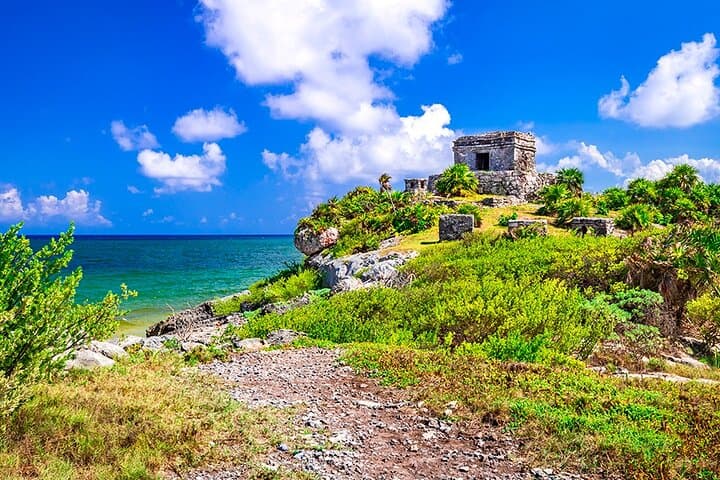
A salt breeze greets visitors as the limestone cliffs of Tulum rise from white sand and the Caribbean stretches out beyond the ancient walls. The day begins at the cliff-top ruins, where low stone temples and watchtowers look over aquamarine sea; light filters through palms and the wind seems to push history toward the shore.
Verified experiences and guided adventures in the surrounding area.
Operated by What To Do In Cancun · Tulum, Quintana Roo
A salt breeze greets visitors as the limestone cliffs of Tulum rise from white sand and the Caribbean stretches out beyond the ancient walls. The day begins at the cliff-top ruins, where low stone temples and watchtowers look over aquamarine sea; light filters through palms and the wind seems to push history toward the shore.
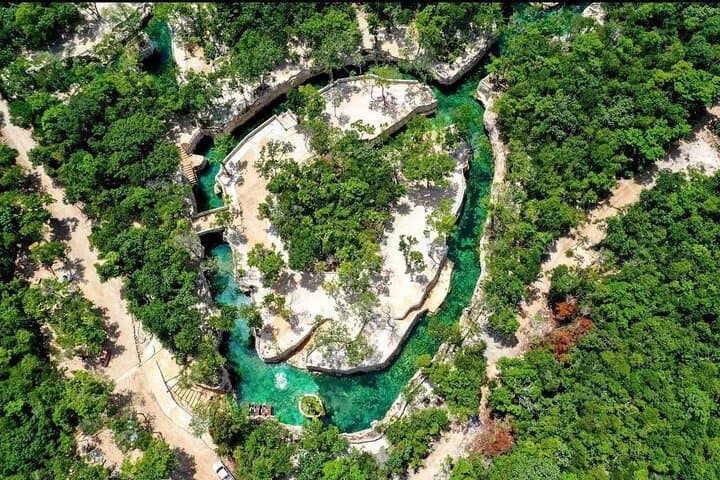
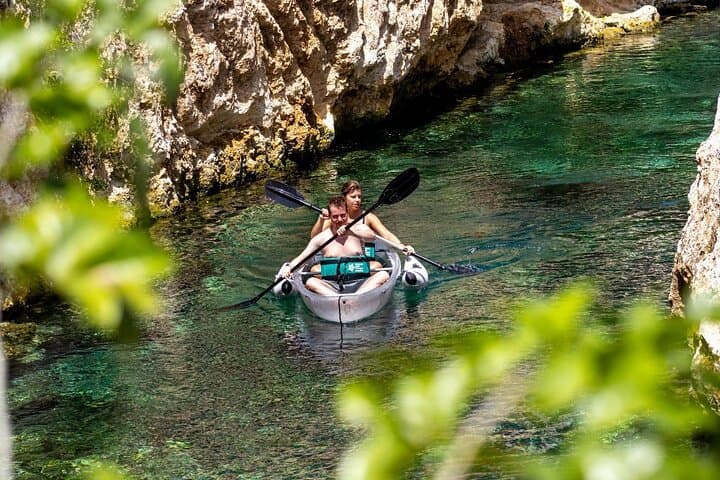
Tulum was a late-Postclassic Maya port, fortified and deliberate—built where trade routes met coast. The geology here is coastal carbonate: porous limestone riddled with collapsed cave systems that form cenotes—natural sinkholes that expose the region’s underground aquifer. Casa Tortuga sits inland, offering two open cenotes and two cave cenotes with clear, cool water and stalactite-lined chambers that feel older than the shoreline itself.
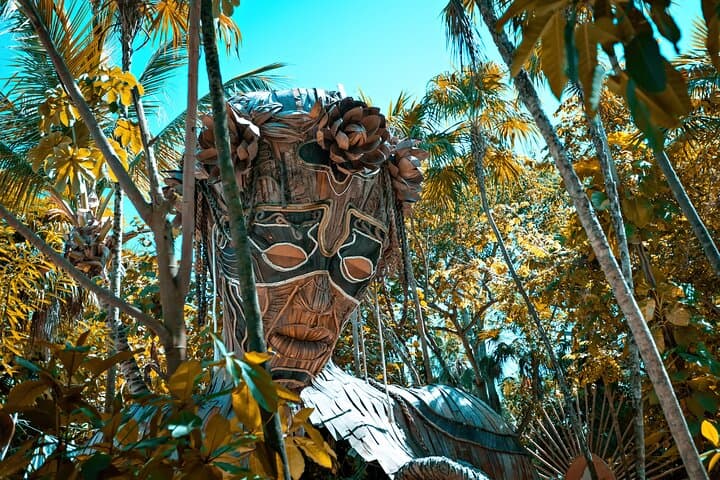
Culturally the corridor between Tulum and Playa del Carmen blends Mayan heritage with contemporary beach towns: vendors selling handcrafted goods, seaside sculptures like “Ven a la Luz,” and Quinta Avenida’s lively shops. Expect a mix of self-guided exploration at Tulum and a guided walk through the cenotes, followed by a boxed traditional lunch.
Practically: plan for sun, salt, and sudden rain—bring biodegradable sunscreen and water shoes, and stagger your visit to avoid the midday crowds at the ruins. Swimming in cenotes can be calm, but steps and ladders require sure footing. Transport is typically air-conditioned vans with variable schedules; this full-day itinerary runs roughly 4–12 hours depending on pickup and time spent browsing Playa del Carmen. The route pairs striking coastal archaeology with freshwater caves—an efficient, sensory-rich day for travelers comfortable with moderate activity and quick transitions between walking and swimming.
moderate.
4–12 hours.
Should be in moderate shape—comfortable walking on uneven ground and able to swim short distances.
No—swimming is not allowed from the archaeological site; swimming portions of the tour occur at Cenote Casa Tortuga only.
Yes—most cenote parks, including Casa Tortuga, provide life jackets; bring your own if you prefer a specific fit.
The itinerary typically allows about 2 hours at Tulum, 90 minutes at the cenotes, one hour in Playa del Carmen, plus travel time—total 4–12 hours depending on pickup and traffic.
Children who can swim and follow safety instructions are usually fine; the tour provider notes it is not recommended for pregnant travelers due to cave access and ladders.
Tulum was an important late-Postclassic Maya coastal trading site and one of the few constructed with defensive walls facing inland.
Cenotes are part of a fragile karst aquifer—use biodegradable products, avoid touching delicate formations, and follow park rules to minimize impact.
What To Do In Cancun operates guided outdoor trips and adventures with an emphasis on safety, stewardship, and memorable experiences.
A salt breeze greets visitors as the limestone cliffs of Tulum rise from white sand and the Caribbean stretches out beyond the ancient walls. The day begins at the cliff-top ruins, where low stone temples and watchtowers look over aquamarine sea; light filters through palms and the wind seems to push history toward the shore.
A salt breeze greets visitors as the limestone cliffs of Tulum rise from white sand and the Caribbean stretches out beyond the ancient walls. The day begins at the cliff-top ruins, where low stone temples and watchtowers look over aquamarine sea; light filters through palms and the wind seems to push history toward the shore.
Tulum was a late-Postclassic Maya port, fortified and deliberate—built where trade routes met coast. The geology here is coastal carbonate: porous limestone riddled with collapsed cave systems that form cenotes—natural sinkholes that expose the region’s underground aquifer. Casa Tortuga sits inland, offering two open cenotes and two cave cenotes with clear, cool water and stalactite-lined chambers that feel older than the shoreline itself.
Culturally the corridor between Tulum and Playa del Carmen blends Mayan heritage with contemporary beach towns: vendors selling handcrafted goods, seaside sculptures like “Ven a la Luz,” and Quinta Avenida’s lively shops. Expect a mix of self-guided exploration at Tulum and a guided walk through the cenotes, followed by a boxed traditional lunch.
Practically: plan for sun, salt, and sudden rain—bring biodegradable sunscreen and water shoes, and stagger your visit to avoid the midday crowds at the ruins. Swimming in cenotes can be calm, but steps and ladders require sure footing. Transport is typically air-conditioned vans with variable schedules; this full-day itinerary runs roughly 4–12 hours depending on pickup and time spent browsing Playa del Carmen. The route pairs striking coastal archaeology with freshwater caves—an efficient, sensory-rich day for travelers comfortable with moderate activity and quick transitions between walking and swimming.