THE ADVENTURE COLLECTIVE® · Independent discovery and booking for outdoor travel

Visit Tulum’s cliffside Mayan ruins then cool off in a dramatic cavern cenote. This half-day combo blends coastal history, karst geology and a refreshing subterranean swim with practical, guided logistics.
Visit Tulum’s cliffside Mayan ruins then cool off in a dramatic cavern cenote. This half-day combo blends coastal history, karst geology and a refreshing subterranean swim with practical, guided logistics.
You step off a shaded shuttle and the salt-baked air opens like a promise: stone steps, a lone temple watching the Caribbean, and the steady clack of iguanas on warm rock. The Tulum archaeological site sits on a limestone bluff, its white walls catching the sea-glow while inland trails lead toward a cool, subterranean world — the cenote where light meets water in a dim grotto.
Verified experiences and guided adventures in the surrounding area.
Operated by MySacbe · Tulum, Quintana Roo
You step off a shaded shuttle and the salt-baked air opens like a promise: stone steps, a lone temple watching the Caribbean, and the steady clack of iguanas on warm rock. The Tulum archaeological site sits on a limestone bluff, its white walls catching the sea-glow while inland trails lead toward a cool, subterranean world — the cenote where light meets water in a dim grotto.
Tulum was a coastal Mayan port in the Postclassic era, a trading hub for turquoise, cacao and salt. Geologically the region is karst: porous limestone riddled with sinkholes that create cenotes — freshwater pools that fueled Mayan settlement and ceremony. Local culture still honors cenotes as sacred; many are treated with quiet reverence. Expect a guided hour-and-a-half walk through the ruins, stories of coastal trade and ritual, then a 90-minute descent into a cenote cave where life jackets and lamps are provided.
Practically, plan for a 5–7 hour day: bring reef-safe sunscreen, water shoes, and a change of clothes. The archaeological site is exposed, so mornings are cooler and less crowded; the cenote’s temperature is constant and refreshing. Wear shoes that grip damp limestone, secure valuables in a dry bag, and carry small bills for lockers or extra snacks. Guides manage tickets and train access in the Jaguar Park, and many tours include a local lunch afterward. The pairing—sunlit ruins and a cavern swim—balances history, geology and simple, wet exhilaration.
moderate.
5–7 hours.
Moderate fitness—able to walk uneven paths, descend stairs into caves, and swim short distances.
Yes—this tour lists private transportation from pickup points; confirm your pickup location when you book.
Life jackets and water lamps are provided for the cavern; basic swimming ability is recommended but flotation is available.
The tour notes stroller accessibility for small children, but cave access may require steps—infants often must sit on an adult’s lap.
Yes; the ruins are open year-round but weather can affect comfort—hot, humid summers and occasional tropical storms in hurricane season.
Tulum was a fortified Postclassic Maya port linked to coastal trade routes; its cliff-top temples guarded sea lanes and ceremonial practices tied to cenotes.
Cenotes are fragile freshwater systems—use reef-safe products, avoid shampoo/soap in the water, and follow all local rules to minimize impact.
MySacbe operates guided outdoor trips and adventures with an emphasis on safety, stewardship, and memorable experiences.
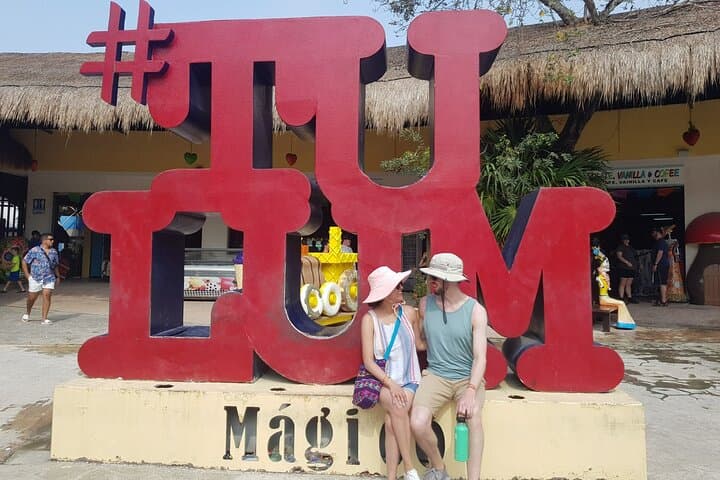
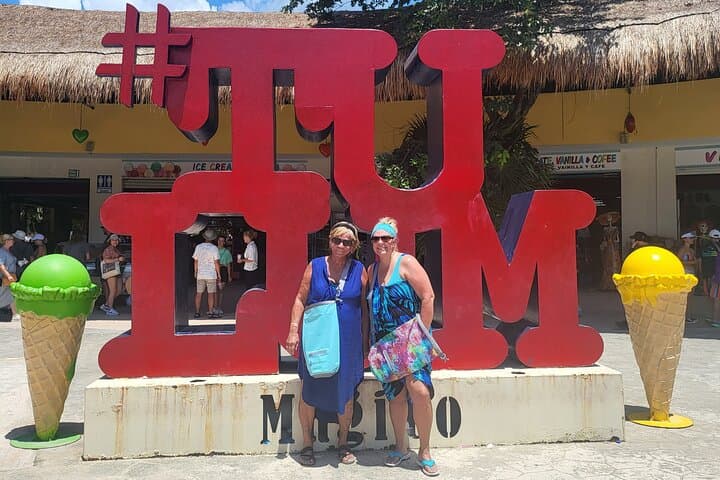
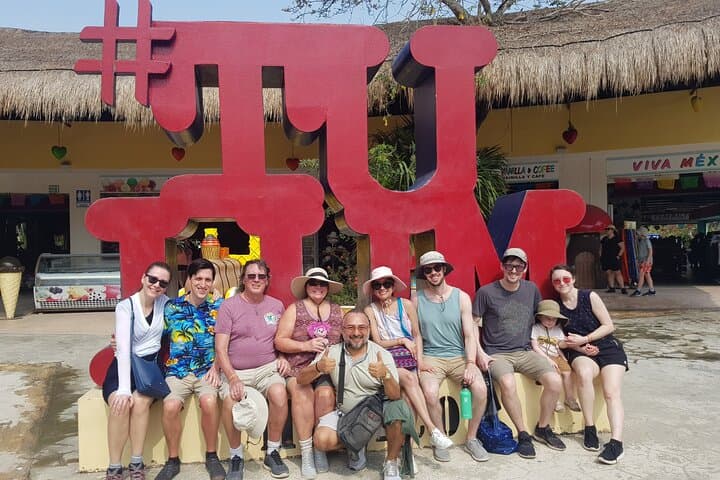
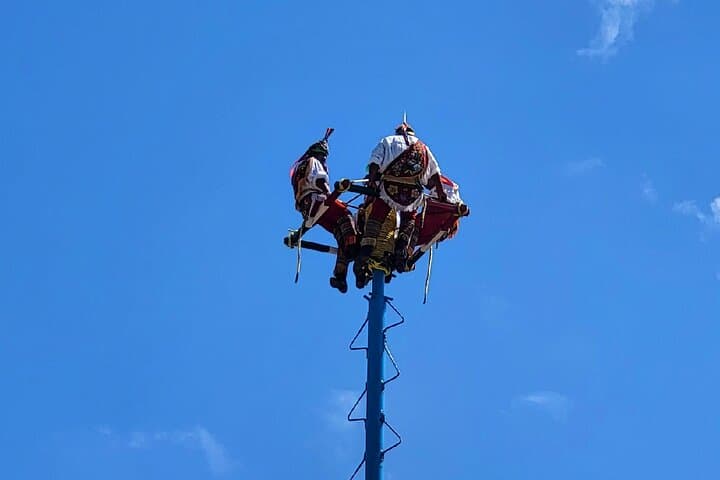
You step off a shaded shuttle and the salt-baked air opens like a promise: stone steps, a lone temple watching the Caribbean, and the steady clack of iguanas on warm rock. The Tulum archaeological site sits on a limestone bluff, its white walls catching the sea-glow while inland trails lead toward a cool, subterranean world — the cenote where light meets water in a dim grotto.
You step off a shaded shuttle and the salt-baked air opens like a promise: stone steps, a lone temple watching the Caribbean, and the steady clack of iguanas on warm rock. The Tulum archaeological site sits on a limestone bluff, its white walls catching the sea-glow while inland trails lead toward a cool, subterranean world — the cenote where light meets water in a dim grotto.
Tulum was a coastal Mayan port in the Postclassic era, a trading hub for turquoise, cacao and salt. Geologically the region is karst: porous limestone riddled with sinkholes that create cenotes — freshwater pools that fueled Mayan settlement and ceremony. Local culture still honors cenotes as sacred; many are treated with quiet reverence. Expect a guided hour-and-a-half walk through the ruins, stories of coastal trade and ritual, then a 90-minute descent into a cenote cave where life jackets and lamps are provided.
Practically, plan for a 5–7 hour day: bring reef-safe sunscreen, water shoes, and a change of clothes. The archaeological site is exposed, so mornings are cooler and less crowded; the cenote’s temperature is constant and refreshing. Wear shoes that grip damp limestone, secure valuables in a dry bag, and carry small bills for lockers or extra snacks. Guides manage tickets and train access in the Jaguar Park, and many tours include a local lunch afterward. The pairing—sunlit ruins and a cavern swim—balances history, geology and simple, wet exhilaration.