THE ADVENTURE COLLECTIVE® · Independent discovery and booking for outdoor travel

Explore Tulum’s clifftop ruins with a local guide, then slip into a cavern cenote for guided snorkeling and GoPro photos. This half-day small-group tour pairs Mayan history with underground freshwater exploration.
Explore Tulum’s clifftop ruins with a local guide, then slip into a cavern cenote for guided snorkeling and GoPro photos. This half-day small-group tour pairs Mayan history with underground freshwater exploration.
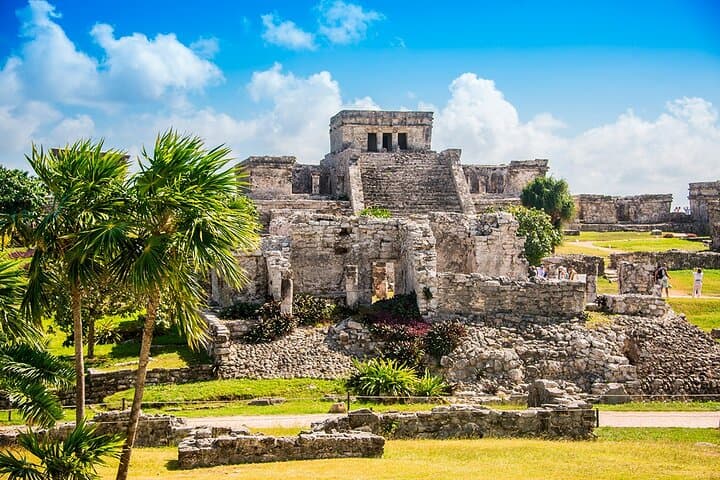
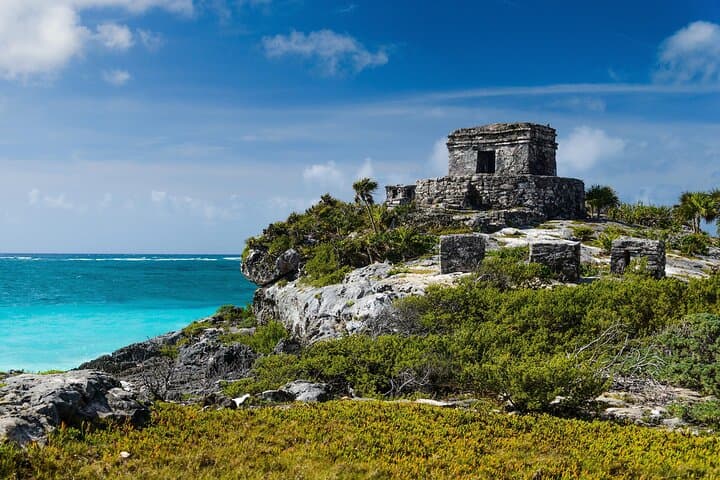
A salt-bright wind carries the Caribbean into the plaza as a small group threads through the stone remains of Tulum. Visitors stand where Maya lookouts once watched the sea; limestone cliffs drop away into a horizon that seems to pull the light into turquoise. The guide points to glyphs and stairways, translating gestures of daily life and trade into a concise history of a coastal city that managed both ritual and commerce.
Verified experiences and guided adventures in the surrounding area.
Operated by The Turtle Travel Riviera Maya · Tulum, Quintana Roo
A salt-bright wind carries the Caribbean into the plaza as a small group threads through the stone remains of Tulum. Visitors stand where Maya lookouts once watched the sea; limestone cliffs drop away into a horizon that seems to pull the light into turquoise. The guide points to glyphs and stairways, translating gestures of daily life and trade into a concise history of a coastal city that managed both ritual and commerce.
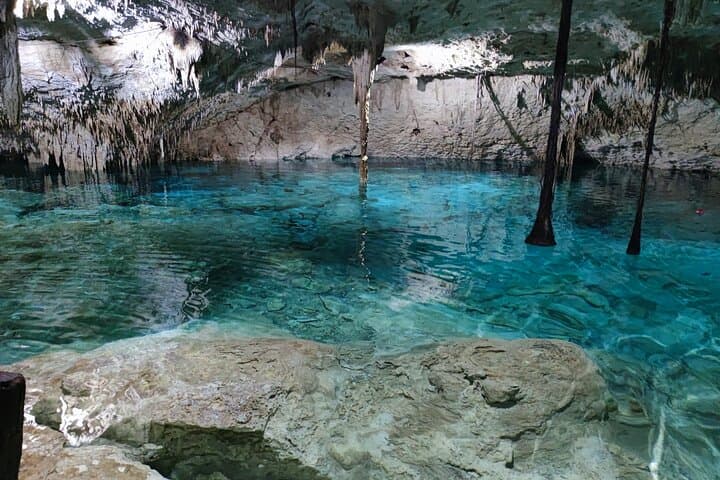
Geology here is raw: reef-limestone cliffs carved by waves, roofed caverns where groundwater sculpted stalactites and stalagmites over millennia. A short drive into the jungle brings the party to a cavern-type cenote—an underground pool where light from a single opening parts the darkness and the water invites a slow, attentive snorkel among mineral formations. Local guides supply snorkeling gear, waterproof lamps and GoPro photos so visitors can watch the cave’s architecture in motion.
Culturally, the day links pre-Hispanic lifeways to modern stewardship: the national park fee (currently MXN 515) helps protect both ruins and cenotes. Expect easy walking on uneven paths, brief swims in cool freshwater, and interpretive commentary about Mayan ritual use of cenotes.
Practical guidance: arrive hydrated, wear sturdy sandals or reef shoes, and use biodegradable sunscreen. Phones should be stowed in dry bags; bring a light jacket for sea breezes. Timing matters—morning light softens the ruins and afternoon visits to the cenote can be quieter. For families and casual hikers, this compact, interpretive half-day balances history, geology and a memorable subterranean swim.
easy.
4–5 hours.
Suitable for basic fitness: short walks on uneven ground and brief snorkeling in calm freshwater; no strenuous climbing required.
No—participants must pay the archaeological zone and conservation fees (currently MXN 515 per person) on site as required by park management.
Basic swimming ability is recommended; snorkeling takes place in calm, supervised water with life vests available on request.
Pickup from many Tulum hotels is offered; confirm your pickup point when booking or meet at the designated meeting point if self-driving.
Yes—guides offer GoPro photos of the cenote experience and some group pictures; check how these images are delivered or included before departure.
Tulum was a significant Late Postclassic Maya port and ceremonial center; its coastal position linked maritime trade with inland routes.
The archaeological zone and cenotes are protected areas; fees support conservation and visitor management, and visitors are asked to use biodegradable products and avoid touching fragile formations.
The Turtle Travel Riviera Maya operates guided outdoor trips and adventures with an emphasis on safety, stewardship, and memorable experiences.

A salt-bright wind carries the Caribbean into the plaza as a small group threads through the stone remains of Tulum. Visitors stand where Maya lookouts once watched the sea; limestone cliffs drop away into a horizon that seems to pull the light into turquoise. The guide points to glyphs and stairways, translating gestures of daily life and trade into a concise history of a coastal city that managed both ritual and commerce.
A salt-bright wind carries the Caribbean into the plaza as a small group threads through the stone remains of Tulum. Visitors stand where Maya lookouts once watched the sea; limestone cliffs drop away into a horizon that seems to pull the light into turquoise. The guide points to glyphs and stairways, translating gestures of daily life and trade into a concise history of a coastal city that managed both ritual and commerce.
Geology here is raw: reef-limestone cliffs carved by waves, roofed caverns where groundwater sculpted stalactites and stalagmites over millennia. A short drive into the jungle brings the party to a cavern-type cenote—an underground pool where light from a single opening parts the darkness and the water invites a slow, attentive snorkel among mineral formations. Local guides supply snorkeling gear, waterproof lamps and GoPro photos so visitors can watch the cave’s architecture in motion.
Culturally, the day links pre-Hispanic lifeways to modern stewardship: the national park fee (currently MXN 515) helps protect both ruins and cenotes. Expect easy walking on uneven paths, brief swims in cool freshwater, and interpretive commentary about Mayan ritual use of cenotes.
Practical guidance: arrive hydrated, wear sturdy sandals or reef shoes, and use biodegradable sunscreen. Phones should be stowed in dry bags; bring a light jacket for sea breezes. Timing matters—morning light softens the ruins and afternoon visits to the cenote can be quieter. For families and casual hikers, this compact, interpretive half-day balances history, geology and a memorable subterranean swim.