THE ADVENTURE COLLECTIVE® · Independent discovery and booking for outdoor travel

Spend a day between Tulum’s seaside ruins and the four distinctive cenotes of Casa Tortugas. This full‑day trip from Cancun or Playa del Carmen pairs cultural interpretation with refreshing freshwater swims and a regional meal.
Spend a day between Tulum’s seaside ruins and the four distinctive cenotes of Casa Tortugas. This full‑day trip from Cancun or Playa del Carmen pairs cultural interpretation with refreshing freshwater swims and a regional meal.
The morning light hits the limestone cliffs above the Caribbean as the van pulls out of Playa del Carmen — salt air and chatter of travelers fill the cabin while the road threads mangrove flats toward Tulum.
Verified experiences and guided adventures in the surrounding area.
Operated by Cancun Smart Pass · Playa del Carmen, Quintana Roo
The morning light hits the limestone cliffs above the Caribbean as the van pulls out of Playa del Carmen — salt air and chatter of travelers fill the cabin while the road threads mangrove flats toward Tulum.
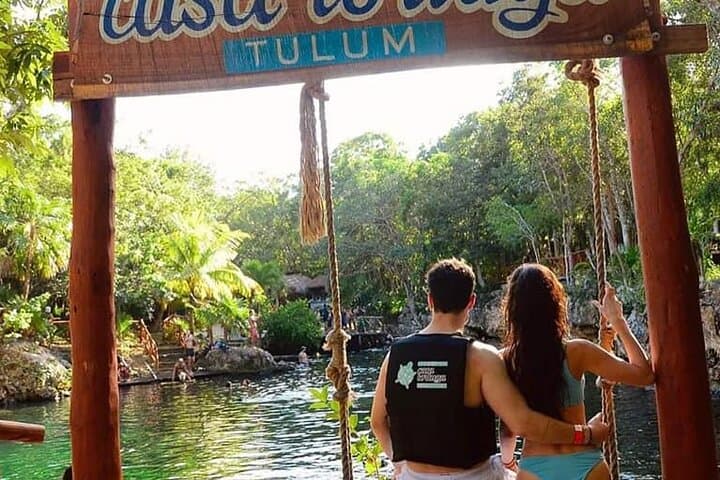
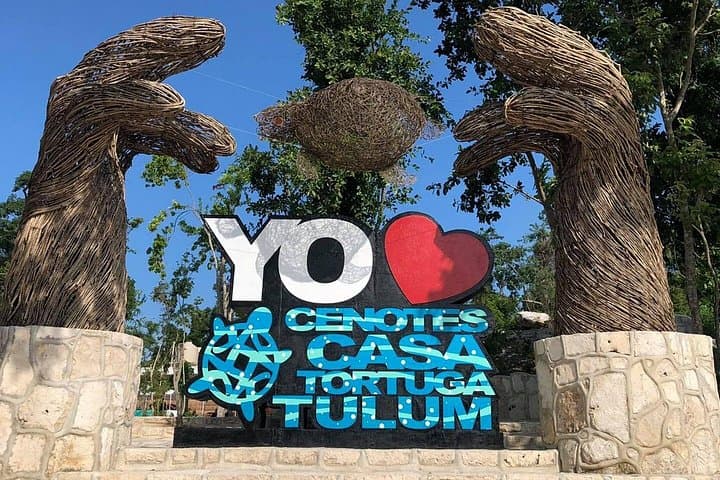
At the archaeological site, stone buildings stand like organized echoes of a late-Maya coastal port; walls face the sea, guiding your eyes between plazas and a bright beach below. Geologically the coastline is young limestone laid over an underground aquifer; where that rock collapses, cenotes form — vertical shafts or cavern pools that feed the peninsula’s freshwater. Casa Tortugas Park collects four of those cenotes, two open to the sky and two darker, cavernous holes where light, algae and rock trade the day’s stories.
Culturally, the route links a trading center and sacred freshwater sources: Mayan sailors navigated this coast while cenotes were places of ritual and survival. Modern guides explain both history and ecology as you move between cliffside ruins, moss-slick steps and cool water.
Practicalities: expect a full-day outing (door-to-door pickups vary by hotel), with box lunch on the bus and a sit-down regional meal in Playa del Carmen. Bring a swimsuit, towel, reef-safe sunscreen and a small amount of cash — a preservation tax (about USD 25) may apply at some sites. Wear water shoes for limestone edges and a light cover for sun exposure on the ruins. If you prefer quieter moments, choose the earlier departures and pick the cavern cenote for calmer swimming.
This itinerary balances cultural interpretation and freshwater swimming, offering a compact introduction to the Yucatán’s coastal history and subterranean waterways.
easy.
Approx. 12 hours.
Light fitness: comfortable walking on uneven ground and able to swim a short distance
Yes—visit to the Tulum Archaeological Site is included in the itinerary; note that some supplementary fees (like preservation taxes) may not be included.
Guides are included at Casa Tortugas Park and life jackets are typically available for swimmers, but requests should be confirmed with the supplier.
The tour is described as suitable for all fitness levels but infants must sit on laps; cavern cenotes and uneven terrain may be challenging for very young children.
Bring swimsuit, towel, water shoes, reef‑safe sunscreen, a hat, and cash for any local fees; also bring a light layer for sun protection on the ruins.
Tulum was a late‑postclassic Maya port and trading point; its cliffside position reflects both strategic coastal defense and maritime commerce.
Cenote ecosystems are sensitive—use biodegradable or reef‑safe products, minimize splashing near cavern walls, and respect posted rules to protect water quality.
Cancun Smart Pass operates guided outdoor trips and adventures with an emphasis on safety, stewardship, and memorable experiences.

The morning light hits the limestone cliffs above the Caribbean as the van pulls out of Playa del Carmen — salt air and chatter of travelers fill the cabin while the road threads mangrove flats toward Tulum.
The morning light hits the limestone cliffs above the Caribbean as the van pulls out of Playa del Carmen — salt air and chatter of travelers fill the cabin while the road threads mangrove flats toward Tulum.
At the archaeological site, stone buildings stand like organized echoes of a late-Maya coastal port; walls face the sea, guiding your eyes between plazas and a bright beach below. Geologically the coastline is young limestone laid over an underground aquifer; where that rock collapses, cenotes form — vertical shafts or cavern pools that feed the peninsula’s freshwater. Casa Tortugas Park collects four of those cenotes, two open to the sky and two darker, cavernous holes where light, algae and rock trade the day’s stories.
Culturally, the route links a trading center and sacred freshwater sources: Mayan sailors navigated this coast while cenotes were places of ritual and survival. Modern guides explain both history and ecology as you move between cliffside ruins, moss-slick steps and cool water.
Practicalities: expect a full-day outing (door-to-door pickups vary by hotel), with box lunch on the bus and a sit-down regional meal in Playa del Carmen. Bring a swimsuit, towel, reef-safe sunscreen and a small amount of cash — a preservation tax (about USD 25) may apply at some sites. Wear water shoes for limestone edges and a light cover for sun exposure on the ruins. If you prefer quieter moments, choose the earlier departures and pick the cavern cenote for calmer swimming.
This itinerary balances cultural interpretation and freshwater swimming, offering a compact introduction to the Yucatán’s coastal history and subterranean waterways.