THE ADVENTURE COLLECTIVE® · Independent discovery and booking for outdoor travel

Combine Xel‑Há’s sheltered snorkeling channels with a guided walk through Tulum’s cliff‑side Mayan ruins on this full‑day trip from Cancun or Playa del Carmen. Expect clear, calm waters, shallow reefs, and panoramic coastal views.
Combine Xel‑Há’s sheltered snorkeling channels with a guided walk through Tulum’s cliff‑side Mayan ruins on this full‑day trip from Cancun or Playa del Carmen. Expect clear, calm waters, shallow reefs, and panoramic coastal views.
The morning bus eases out of Playa del Carmen and the horizon opens into turquoise—by midday you're trading paved roads for a current that seems to pull you toward color. At Xel-Há the water dares you forward: a natural inlet where a freshwater river meets the Caribbean, channels threading through mangroves and shallow reefs busy with parrotfish and wrasse. Later, wind and sun carve the ruins on the bluff above Tulum; stone buildings stand compact and practical, facing sea routes that once sustained trade and ceremony.
Verified experiences and guided adventures in the surrounding area.
Operated by Only Vacations & Tours · Tulum, Quintana Roo
The morning bus eases out of Playa del Carmen and the horizon opens into turquoise—by midday you're trading paved roads for a current that seems to pull you toward color. At Xel-Há the water dares you forward: a natural inlet where a freshwater river meets the Caribbean, channels threading through mangroves and shallow reefs busy with parrotfish and wrasse. Later, wind and sun carve the ruins on the bluff above Tulum; stone buildings stand compact and practical, facing sea routes that once sustained trade and ceremony.
Tulum was a late Mayawalled port (post‑classic period) where merchants and sailors moved obsidian, salt and textiles along coastal corridors. Geologically the coast is young limestone—cavernous cenotes puncture the plain and feed the underground rivers that make Xel‑Há snorkelable. Culturally, the site blends maritime life and ritual: expect iguanas sunning on low walls and guides who point out the coastal watchtower and the Temple of the Frescoes.
Practically: arrive early to avoid the midday crowds at both sites; wear reef‑safe sunscreen and secure footwear for slick limestone at Tulum. Xel‑Há’s snorkeling is shallow and family‑friendly, but currents can tug toward the cove—floatation and basic swim skills are recommended. Carry a dry bag, bring ID for child pricing, and budget time for buffet lunch and a lookout climb at Xel‑Há’s Faro. By the day’s end you’ll have swum through a living reef, traced Mayan trade routes from a living vantage, and understood how water and stone shaped this stretch of coast.
moderate.
10 hours.
Moderate fitness: comfortable standing and walking on uneven limestone, plus basic swimming ability for snorkeling.
Yes—Xel‑Há typically provides snorkel equipment and flotation devices, but many travelers prefer their own mask for fit and comfort.
This is a full‑day experience (about 10 hours) with round‑trip air‑conditioned transport from hotels in Cancun and Playa del Carmen included.
A continental breakfast and buffet lunch are included, and the park offers an open domestic bar as part of the package details indicate.
Tulum involves uneven limestone pathways and some steps; it's family‑friendly but not ideal for anyone with serious mobility limitations or spinal issues—pregnant travelers are advised against participation.
Tulum developed as a late Post‑Classic Maya port and trading hub; its walls and watchtowers oriented toward maritime routes and salt trade.
Xel‑Há operates under visitor‑management practices and the area emphasizes reef protection—use reef‑safe products, avoid touching coral, and follow park guidance to minimize impact.
Only Vacations & Tours operates guided outdoor trips and adventures with an emphasis on safety, stewardship, and memorable experiences.
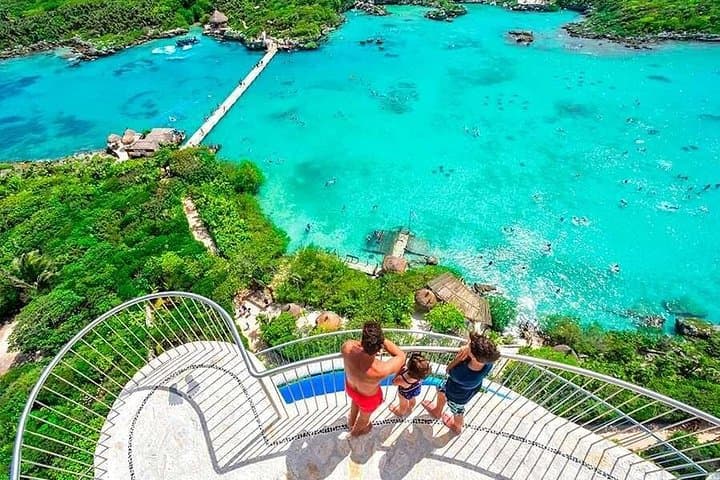
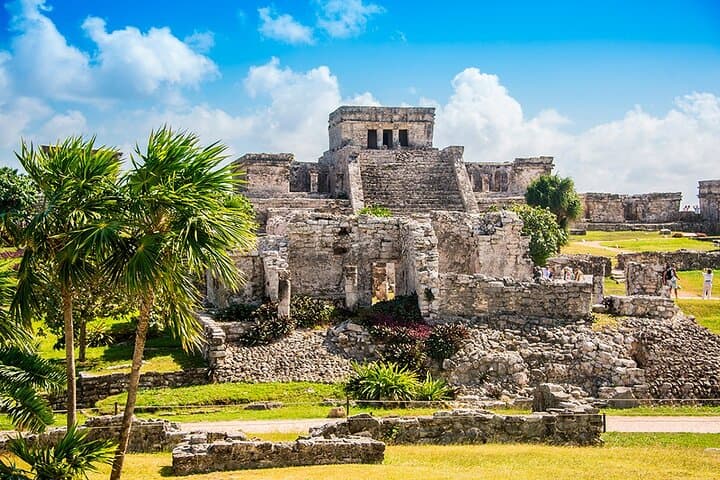
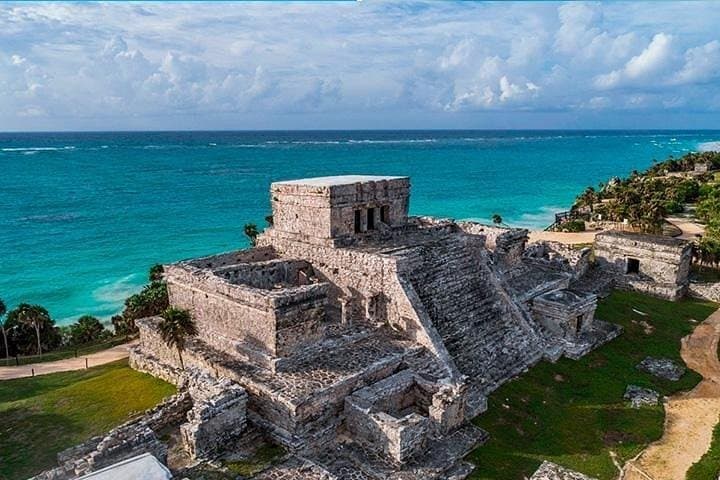
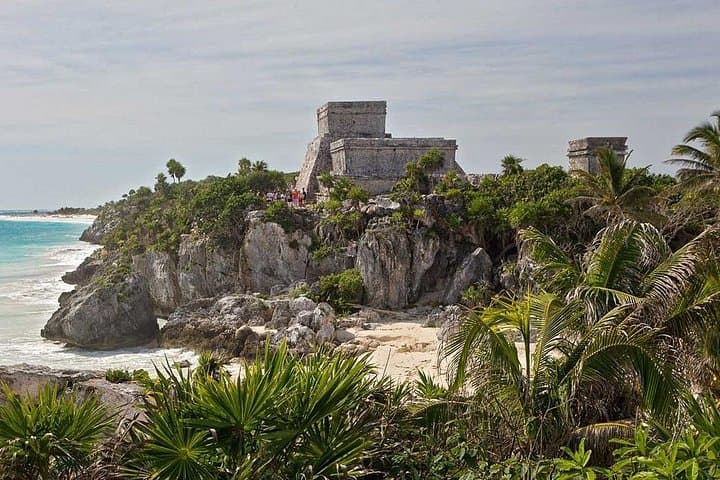
The morning bus eases out of Playa del Carmen and the horizon opens into turquoise—by midday you're trading paved roads for a current that seems to pull you toward color. At Xel-Há the water dares you forward: a natural inlet where a freshwater river meets the Caribbean, channels threading through mangroves and shallow reefs busy with parrotfish and wrasse. Later, wind and sun carve the ruins on the bluff above Tulum; stone buildings stand compact and practical, facing sea routes that once sustained trade and ceremony.
The morning bus eases out of Playa del Carmen and the horizon opens into turquoise—by midday you're trading paved roads for a current that seems to pull you toward color. At Xel-Há the water dares you forward: a natural inlet where a freshwater river meets the Caribbean, channels threading through mangroves and shallow reefs busy with parrotfish and wrasse. Later, wind and sun carve the ruins on the bluff above Tulum; stone buildings stand compact and practical, facing sea routes that once sustained trade and ceremony.
Tulum was a late Mayawalled port (post‑classic period) where merchants and sailors moved obsidian, salt and textiles along coastal corridors. Geologically the coast is young limestone—cavernous cenotes puncture the plain and feed the underground rivers that make Xel‑Há snorkelable. Culturally, the site blends maritime life and ritual: expect iguanas sunning on low walls and guides who point out the coastal watchtower and the Temple of the Frescoes.
Practically: arrive early to avoid the midday crowds at both sites; wear reef‑safe sunscreen and secure footwear for slick limestone at Tulum. Xel‑Há’s snorkeling is shallow and family‑friendly, but currents can tug toward the cove—floatation and basic swim skills are recommended. Carry a dry bag, bring ID for child pricing, and budget time for buffet lunch and a lookout climb at Xel‑Há’s Faro. By the day’s end you’ll have swum through a living reef, traced Mayan trade routes from a living vantage, and understood how water and stone shaped this stretch of coast.