THE ADVENTURE COLLECTIVE® · Independent discovery and booking for outdoor travel

A compact half-day from Cancún that pairs the dramatic coastal ruins of Tulum with a guided snorkel in Akumal Bay to see green sea turtles. Expect short walks on uneven stone and shallow reef snorkeling—perfect for an easy, field-focused outing.
A compact half-day from Cancún that pairs the dramatic coastal ruins of Tulum with a guided snorkel in Akumal Bay to see green sea turtles. Expect short walks on uneven stone and shallow reef snorkeling—perfect for an easy, field-focused outing.
Salt air tugs at your shirt as the bus eases toward a low cliff where stone buildings stare down at the Caribbean. You step out onto sun-warmed paths and the first view—an ancient stepped temple against turquoise water—reminds you why Tulum was a Mayan lighthouse to the sea.
Verified experiences and guided adventures in the surrounding area.
Operated by Coba Sunset · Tulum, Quintana Roo
Salt air tugs at your shirt as the bus eases toward a low cliff where stone buildings stare down at the Caribbean. You step out onto sun-warmed paths and the first view—an ancient stepped temple against turquoise water—reminds you why Tulum was a Mayan lighthouse to the sea.
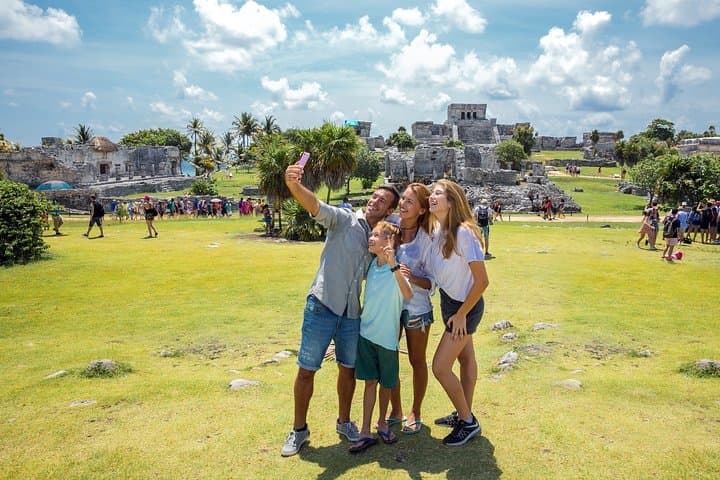
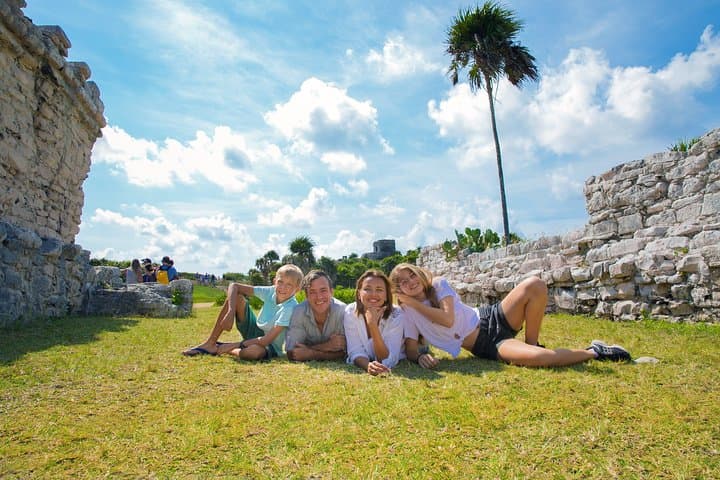
The site sits on a limestone bluff formed by the Yucatán’s porous karst, its walls and watchtowers dating to the Postclassic Maya (roughly 1200–1521 CE). Guides point out the Temple of the Frescoes and El Castillo while explaining trade routes, coastal defense, and the site’s role as a port for inland centers like Coba.
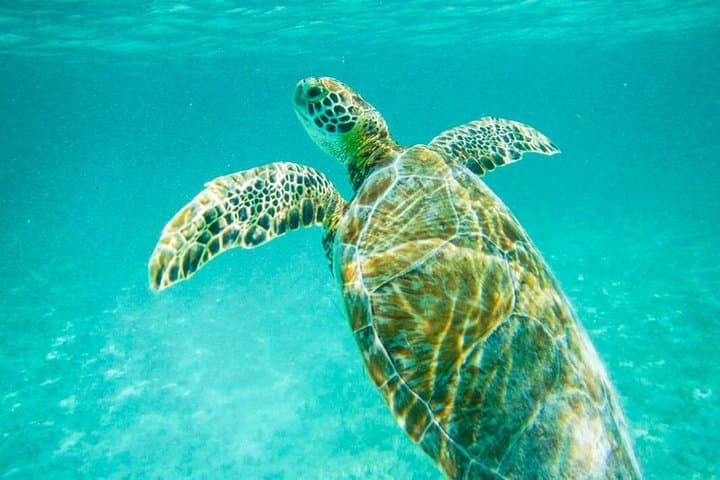
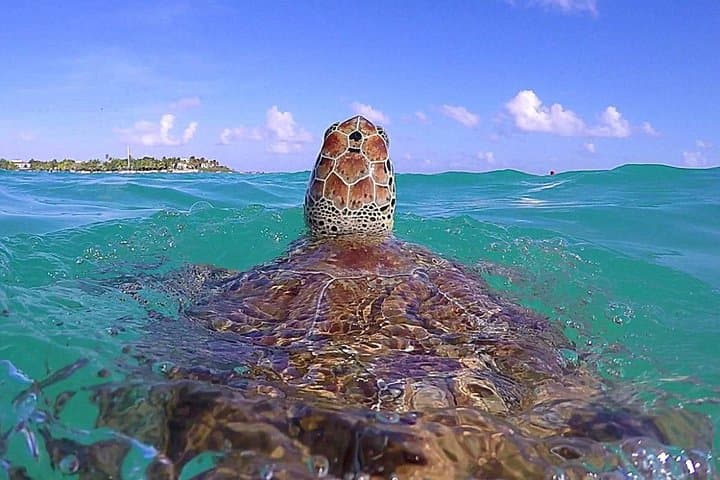
A short drive later, Akumal Bay shifts the mood: coral gardens and the second-largest barrier reef invite a quieter kind of attention. Here, green sea turtles glide through shallow reef flats year-round, feeding on seagrass while schools of parrotfish patrol the heads. Local fishers-turned-guides and protected-area rules help keep encounters measured and respectful.
Practical edge: the tour is a half-day loop—roughly four hours—mixing guided archaeology with a supervised snorkel. Expect sandy, uneven paths at Tulum and shallow reef snorkeling in waist-to-chest-deep water at Akumal; wet shoes or reef socks are useful. Bring reef-safe sunscreen, a wide-brim hat, and a lightweight cover-up for the return ride.
Timing matters—arrive early to beat crowds at Tulum and snorkel when water is calm, mid-morning. Respect signage and your guide: turtles are wild animals, so observe from a distance and never chase or touch them. This is a compact pair of coastal experiences that pairs cultural context with hands-on marine observation.
easy.
4 hours.
Suitable for most fitness levels; requires short walks on uneven terrain and basic swimming/snorkeling ability
Yes—snorkel masks and fins are included as part of the tour; bring your own if you prefer a personal fit.
Turtles aggregate in Akumal year-round, but wildlife sightings cannot be guaranteed—timing and calm water improve chances.
Tulum has uneven stone paths and steps; limited accessibility options exist, so travelers with mobility concerns should inquire before booking.
Full refund available if you cancel at least 24 hours before departure; tours may be canceled for bad weather per operator policy.
Tulum was a fortified, late-Postclassic Maya port that controlled coastal trade routes; its cliff-top position made it strategically visible to seafaring merchants.
The coastal reef is vulnerable to tourism pressure; stick to marked channels, use reef-safe sunscreen, and follow guide instructions to minimize impacts.
Coba Sunset operates guided outdoor trips and adventures with an emphasis on safety, stewardship, and memorable experiences.
Salt air tugs at your shirt as the bus eases toward a low cliff where stone buildings stare down at the Caribbean. You step out onto sun-warmed paths and the first view—an ancient stepped temple against turquoise water—reminds you why Tulum was a Mayan lighthouse to the sea.
Salt air tugs at your shirt as the bus eases toward a low cliff where stone buildings stare down at the Caribbean. You step out onto sun-warmed paths and the first view—an ancient stepped temple against turquoise water—reminds you why Tulum was a Mayan lighthouse to the sea.
The site sits on a limestone bluff formed by the Yucatán’s porous karst, its walls and watchtowers dating to the Postclassic Maya (roughly 1200–1521 CE). Guides point out the Temple of the Frescoes and El Castillo while explaining trade routes, coastal defense, and the site’s role as a port for inland centers like Coba.
A short drive later, Akumal Bay shifts the mood: coral gardens and the second-largest barrier reef invite a quieter kind of attention. Here, green sea turtles glide through shallow reef flats year-round, feeding on seagrass while schools of parrotfish patrol the heads. Local fishers-turned-guides and protected-area rules help keep encounters measured and respectful.
Practical edge: the tour is a half-day loop—roughly four hours—mixing guided archaeology with a supervised snorkel. Expect sandy, uneven paths at Tulum and shallow reef snorkeling in waist-to-chest-deep water at Akumal; wet shoes or reef socks are useful. Bring reef-safe sunscreen, a wide-brim hat, and a lightweight cover-up for the return ride.
Timing matters—arrive early to beat crowds at Tulum and snorkel when water is calm, mid-morning. Respect signage and your guide: turtles are wild animals, so observe from a distance and never chase or touch them. This is a compact pair of coastal experiences that pairs cultural context with hands-on marine observation.