THE ADVENTURE COLLECTIVE® · Independent discovery and booking for outdoor travel

A single-day mix of archaeology and ocean life: explore the cliff-top Mayan ruins of Tulum, then head to Akumal’s seagrass bays to snorkel with sea turtles. Expect guided history, a beachfront lunch, and organized snorkel groups with provided basic gear.
A single-day mix of archaeology and ocean life: explore the cliff-top Mayan ruins of Tulum, then head to Akumal’s seagrass bays to snorkel with sea turtles. Expect guided history, a beachfront lunch, and organized snorkel groups with provided basic gear.
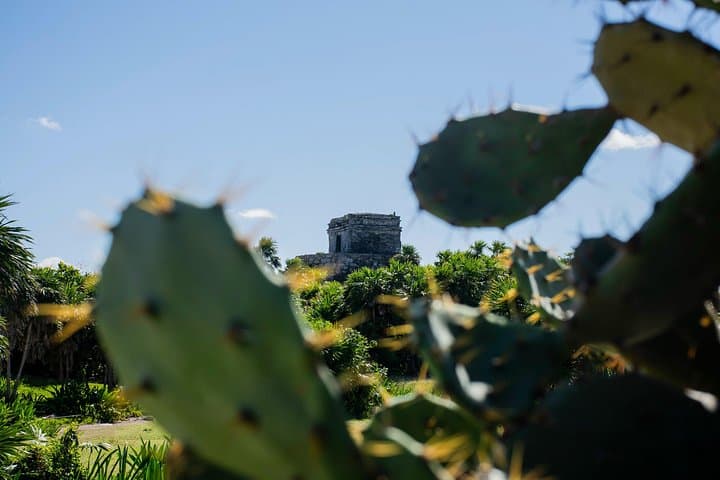
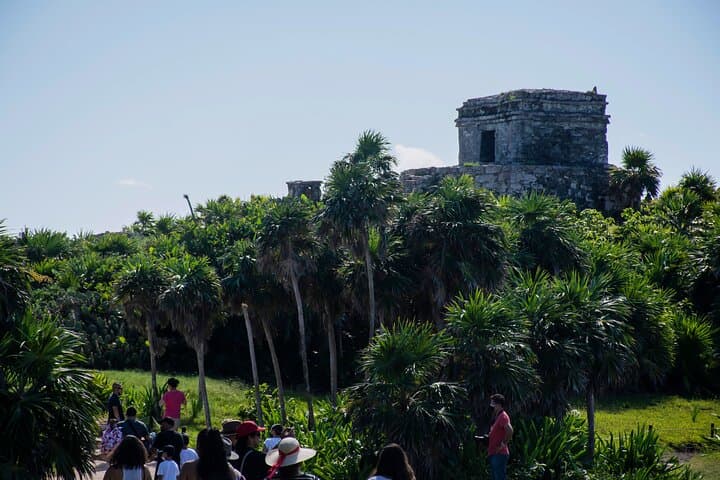
You step off the bus into warm salt air and the Caribbean instantly rearranges your pace: slow, sun-bright, and attentive. The Tulum ruins rise on a limestone bluff with waves muttering at their base; the ruins’ battered stucco and stone watch the sea, while farther south Akumal’s shallow bay waits with a calmer, reef-fringed temperament.
Verified experiences and guided adventures in the surrounding area.
Operated by Altustours · Tulum, Quintana Roo
You step off the bus into warm salt air and the Caribbean instantly rearranges your pace: slow, sun-bright, and attentive. The Tulum ruins rise on a limestone bluff with waves muttering at their base; the ruins’ battered stucco and stone watch the sea, while farther south Akumal’s shallow bay waits with a calmer, reef-fringed temperament.
Tulum was one of the last major Mayan sites occupied before the Spanish arrival — a walled trading port from the Late Postclassic period — its cliffside temples built of coral limestone and tied to coastal trade networks. Geologically the coast here is reef and calcarenite: low sandstone cliffs above a narrow beach, then seagrass flats where turtles graze.
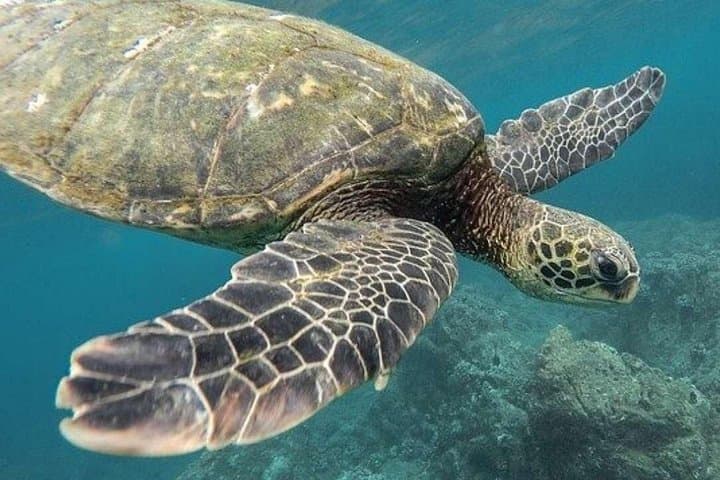
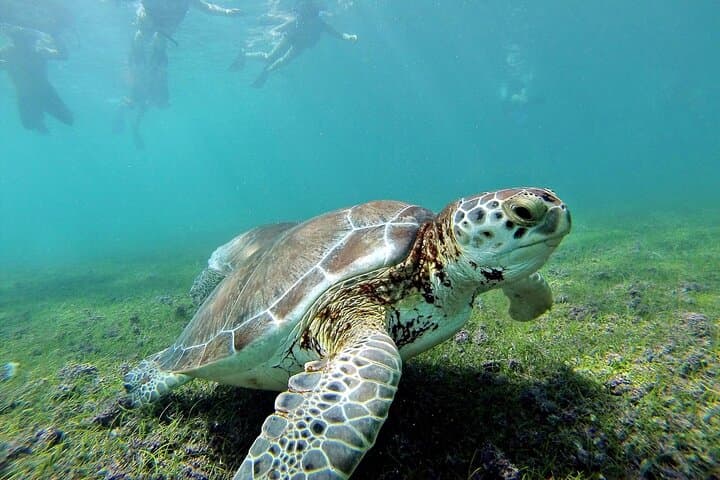
Culture in this corridor shifts between ancient Mayan markers and modern coastal communities; bilingual guides typically weave history with present-day conservation efforts. Akumal—“place of the turtles”—is prized for green and loggerhead turtles that feed in the seagrass, while small beachfront restaurants serve Yucatecan flavors after the ruins visit.
Practically, expect about an 8–9 hour day with guided time at Tulum (about an hour) plus lunch in Akumal and a guided snorkel. Bring reef-safe sunscreen, a swimsuit and towel, and a light cover-up for sun and mosquitos. Snorkeling takes place in shallow seagrass; guides group swimmers and provide life vests and basic snorkel gear, but basic comfort in the water and short swims between groups helps. Note the Tulum preservation tax (cash) is not included and that touching wildlife or reef is prohibited. Confirm pickup time with the operator; mornings are cooler and less crowded for photography and turtle sightings.
moderate.
8–9 hours.
Suitable for travelers who can walk short uneven trails and are comfortable snorkeling for short periods; basic swimming ability recommended.
No; guides provide life vests and group supervision, but basic swimming comfort and ability to snorkel for short durations improves your experience.
No — the preservation tax for Tulum (around 25 USD) is typically not included and should be paid on-site in cash where required.
Turtles are commonly seen but wildlife is not guaranteed; sightings depend on conditions and animal behavior—your guide will take you to the best available spots.
Bring a swimsuit, towel, reef-safe sunscreen, a hat, water, comfortable walking shoes for the ruins, and a change of clothes; bring cash for taxes and tips.
Tulum was a Late Postclassic Maya port and ceremonial center built on coastal limestone cliffs; its walls and seafront temples mark its role in maritime trade.
This coastline relies on reef protection and responsible snorkeling—use reef-safe products, avoid touching wildlife or coral, and follow local guide rules to minimize impact.
Altustours operates guided outdoor trips and adventures with an emphasis on safety, stewardship, and memorable experiences.
You step off the bus into warm salt air and the Caribbean instantly rearranges your pace: slow, sun-bright, and attentive. The Tulum ruins rise on a limestone bluff with waves muttering at their base; the ruins’ battered stucco and stone watch the sea, while farther south Akumal’s shallow bay waits with a calmer, reef-fringed temperament.
You step off the bus into warm salt air and the Caribbean instantly rearranges your pace: slow, sun-bright, and attentive. The Tulum ruins rise on a limestone bluff with waves muttering at their base; the ruins’ battered stucco and stone watch the sea, while farther south Akumal’s shallow bay waits with a calmer, reef-fringed temperament.
Tulum was one of the last major Mayan sites occupied before the Spanish arrival — a walled trading port from the Late Postclassic period — its cliffside temples built of coral limestone and tied to coastal trade networks. Geologically the coast here is reef and calcarenite: low sandstone cliffs above a narrow beach, then seagrass flats where turtles graze.
Culture in this corridor shifts between ancient Mayan markers and modern coastal communities; bilingual guides typically weave history with present-day conservation efforts. Akumal—“place of the turtles”—is prized for green and loggerhead turtles that feed in the seagrass, while small beachfront restaurants serve Yucatecan flavors after the ruins visit.
Practically, expect about an 8–9 hour day with guided time at Tulum (about an hour) plus lunch in Akumal and a guided snorkel. Bring reef-safe sunscreen, a swimsuit and towel, and a light cover-up for sun and mosquitos. Snorkeling takes place in shallow seagrass; guides group swimmers and provide life vests and basic snorkel gear, but basic comfort in the water and short swims between groups helps. Note the Tulum preservation tax (cash) is not included and that touching wildlife or reef is prohibited. Confirm pickup time with the operator; mornings are cooler and less crowded for photography and turtle sightings.