THE ADVENTURE COLLECTIVE® · Independent discovery and booking for outdoor travel

Combine coastal Mayan history with a marine wildlife encounter on a six-hour tour that pairs the cliff-top Tulum ruins with snorkeling among Akumal’s green sea turtles. Expect guided archaeology, a coastal boat ride, cenote swimming and practical conservation briefings.
Combine coastal Mayan history with a marine wildlife encounter on a six-hour tour that pairs the cliff-top Tulum ruins with snorkeling among Akumal’s green sea turtles. Expect guided archaeology, a coastal boat ride, cenote swimming and practical conservation briefings.
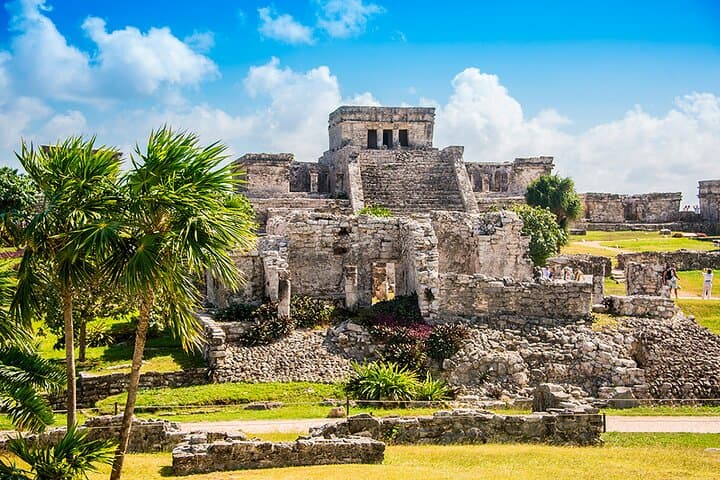
The morning light hits limestone walls and the Caribbean beyond, and you step from air-conditioned transport onto warm sand. At Tulum the sea seems to lean in, turquoise and insistent, daring you to look farther than the low stone ramparts. Your guide moves through plazas and stairways, pointing out carved lintels and a coastline the Maya chose for both defense and ceremony.
Verified experiences and guided adventures in the surrounding area.
Operated by Cancun Mayan Travel · Tulum, Quintana Roo
The morning light hits limestone walls and the Caribbean beyond, and you step from air-conditioned transport onto warm sand. At Tulum the sea seems to lean in, turquoise and insistent, daring you to look farther than the low stone ramparts. Your guide moves through plazas and stairways, pointing out carved lintels and a coastline the Maya chose for both defense and ceremony.
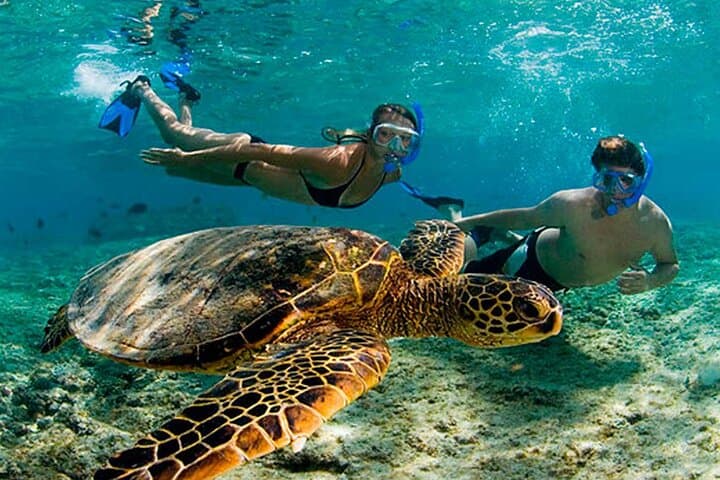
Tulum was a late-postclassic coastal port, built on reef-protected cliffs where trade winds and currents met. The ruins sit on uplifted coral limestone; the geology gives way to white beaches and cenotes fed by the Yucatán’s underground rivers. Akumal — “Place of the Turtles” — offers a different rhythm: a shallow bay where green sea turtles graze seagrass and currents push visitors gently past them.
Culturally, this route threads Mayan history with modern conservation. Guides explain ritual use of cenotes, the colonial encounters that reshaped the region, and current efforts to protect nesting beaches and turtles.
Practical essentials: this is a full-day, moderately paced outing (about six hours). Expect walking on uneven stone, a guided snorkel in shallow reefs, a boat approach along the coast, and a swim in a cenote. Bring reef-safe sunscreen, a swim top or rashguard, a waterproof bag for phones, and modest cash for the preservation tax and local stalls. Hydrate early, wear sturdy sandals for ruins and fins for snorkeling if you bring them, and time your visit for morning light to avoid mid-day crowds. Respect wildlife distance rules and follow guide instructions — the sea and shore respond best to calm, patient visitors.
moderate.
5–7 hours.
Suitable for most fitness levels; requires walking on uneven stone and basic swimming ability for snorkel sections.
No — guides provide instruction and equipment; however basic swimming ability and comfort in shallow open water are required.
Sightings are common but not guaranteed; turtles are wild animals and depend on season, tides and boat traffic conditions.
The tour includes entrance to Tulum, a box breakfast, snorkel gear, one restaurant dish in Akumal and transportation; a Preservation Tax (approx. USD 25) may be additional if not prepaid.
Many cenotes are family-friendly but depth and access vary; check operator age limits and supervise children closely in water.
Tulum was a late-postclassic Mayan port known for coastal trade and its defensive wall; its cliff-top position made it unique among major Maya settlements.
Local guides balance tourism with protection: rules limit approach distances to turtles and encourage reef-safe sunscreen and minimal-contact snorkeling to reduce ecological impact.
Cancun Mayan Travel operates guided outdoor trips and adventures with an emphasis on safety, stewardship, and memorable experiences.
The morning light hits limestone walls and the Caribbean beyond, and you step from air-conditioned transport onto warm sand. At Tulum the sea seems to lean in, turquoise and insistent, daring you to look farther than the low stone ramparts. Your guide moves through plazas and stairways, pointing out carved lintels and a coastline the Maya chose for both defense and ceremony.
The morning light hits limestone walls and the Caribbean beyond, and you step from air-conditioned transport onto warm sand. At Tulum the sea seems to lean in, turquoise and insistent, daring you to look farther than the low stone ramparts. Your guide moves through plazas and stairways, pointing out carved lintels and a coastline the Maya chose for both defense and ceremony.
Tulum was a late-postclassic coastal port, built on reef-protected cliffs where trade winds and currents met. The ruins sit on uplifted coral limestone; the geology gives way to white beaches and cenotes fed by the Yucatán’s underground rivers. Akumal — “Place of the Turtles” — offers a different rhythm: a shallow bay where green sea turtles graze seagrass and currents push visitors gently past them.
Culturally, this route threads Mayan history with modern conservation. Guides explain ritual use of cenotes, the colonial encounters that reshaped the region, and current efforts to protect nesting beaches and turtles.
Practical essentials: this is a full-day, moderately paced outing (about six hours). Expect walking on uneven stone, a guided snorkel in shallow reefs, a boat approach along the coast, and a swim in a cenote. Bring reef-safe sunscreen, a swim top or rashguard, a waterproof bag for phones, and modest cash for the preservation tax and local stalls. Hydrate early, wear sturdy sandals for ruins and fins for snorkeling if you bring them, and time your visit for morning light to avoid mid-day crowds. Respect wildlife distance rules and follow guide instructions — the sea and shore respond best to calm, patient visitors.