THE ADVENTURE COLLECTIVE® · Independent discovery and booking for outdoor travel

Explore cliff-top Mayan ruins, cool cenote caverns, and snorkel alongside green sea turtles in Akumal on a single full-day excursion from Tulum. This guided tour blends history, geology, and wildlife with practical inclusions like gear, lunch, and transportation.
Explore cliff-top Mayan ruins, cool cenote caverns, and snorkel alongside green sea turtles in Akumal on a single full-day excursion from Tulum. This guided tour blends history, geology, and wildlife with practical inclusions like gear, lunch, and transportation.
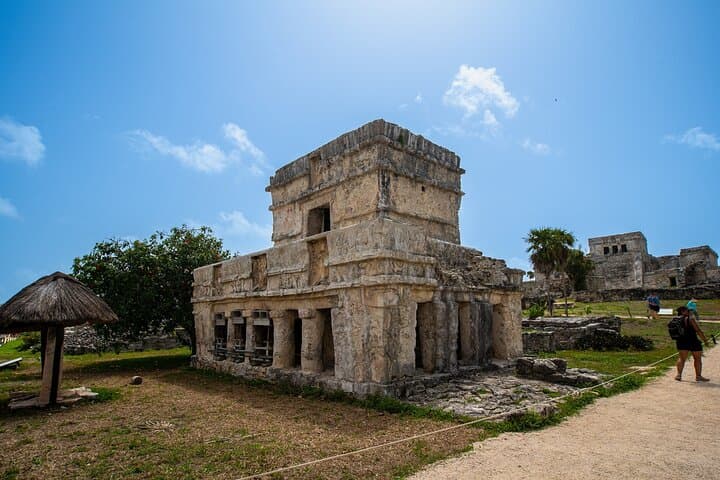
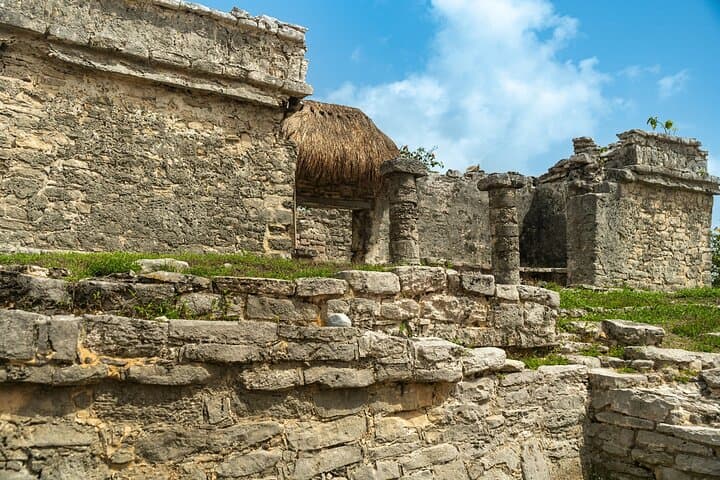
A wind off the Caribbean lifts the heat as the cliff-top ruins of Tulum come into view: low stone walls, a watchtower over turquoise water, and the sharp green of coastal scrub pressing close to the shore. The day moves from archaeological terraces to the hush of a limestone cenote cavern, then to the gentle pull of sea grass where turtles graze.
Verified experiences and guided adventures in the surrounding area.
Operated by NS Vacations Tours · Tulum, Quintana Roo
A wind off the Caribbean lifts the heat as the cliff-top ruins of Tulum come into view: low stone walls, a watchtower over turquoise water, and the sharp green of coastal scrub pressing close to the shore. The day moves from archaeological terraces to the hush of a limestone cenote cavern, then to the gentle pull of sea grass where turtles graze.
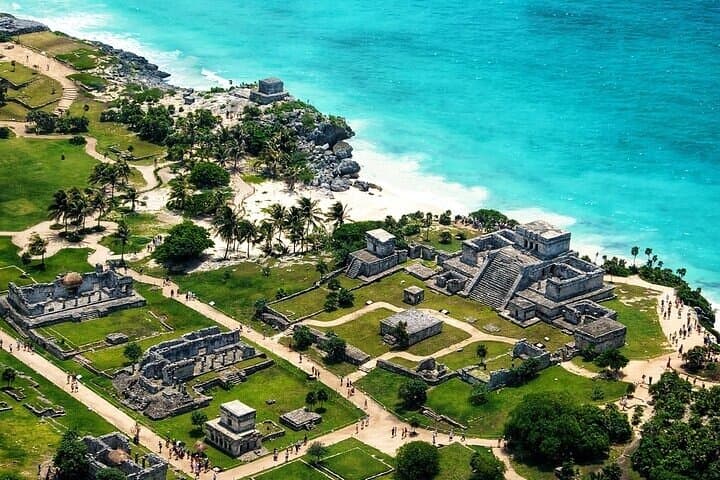
Tulum was a fortified Mayan port in the Postclassic era, its buildings sited for sea access and sight lines to trade routes; the limestone coast and cenotes are the region’s geological signatures — porous karst carved by rain and time. The cenote you’ll swim in is a collapsed cave system fed by freshwater lenses, cool and mineral-rich, while Akumal Bay’s shallow seagrass beds support herbivorous green turtles and a lively reef community.
Culturally, this stretch of Quintana Roo blends contemporary beach towns with living Mayan communities; guides usually contextualize the ruins and explain local stewardship efforts. Practicalities matter: the tour runs around eight hours, includes snorkeling gear, an archaeological guide for Tulum, and a buffet lunch, but Tulum archaeological and marine protection taxes are paid locally in cash. Note sunscreen rules for turtle encounters—only reef-safe products allowed and some sites prohibit any sunscreens in the water.
Expect moderate walking on uneven stone and jungle paths, slick steps into cenotes, and easy, shallow snorkeling in Akumal. Bring a towel, water shoes, reef-safe sunscreen for before/after swims, and a lightweight cover-up. Timing trips early in the morning reduces crowds and maximizes wildlife sightings.
moderate.
8 hours.
Moderate fitness: comfortable walking on uneven surfaces, ability to enter/exit small boats or swim in shallow water.
No — the archaeological site fee is not included; it must be paid on-site (confirm current rate before travel).
No — the marine/turtle protection tax (~$15 USD) is paid locally on the day of the tour and supports conservation programs.
Yes — participants should be comfortable in the water and able to snorkel in shallow sea conditions; guides provide basic orientation and life vests if needed.
Only reef-safe, mineral-based sunscreens are allowed; some turtle encounters require no sunscreen in the water, so plan to apply and rinse before swimming.
Tulum was a fortified Postclassic Maya trading port positioned for maritime routes; its cliff-top layout reflects coastal defense and commerce priorities.
Local marine and archaeological taxes fund protection and management; visitors should avoid touching wildlife, use reef-safe products, and follow guide instructions to minimize impact.
NS Vacations Tours operates guided outdoor trips and adventures with an emphasis on safety, stewardship, and memorable experiences.
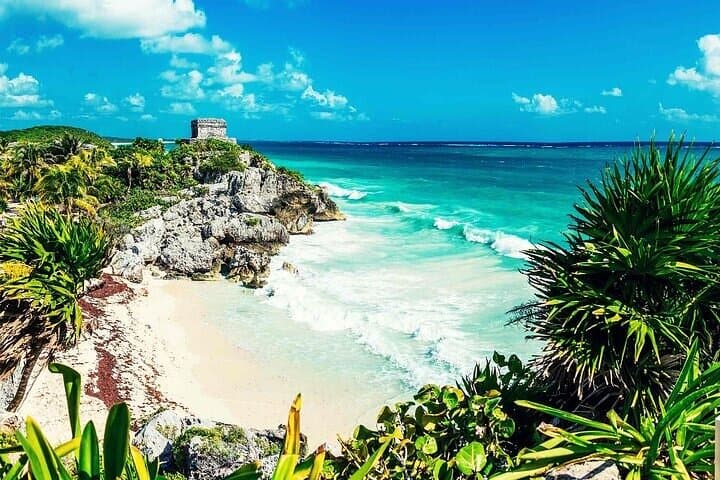
A wind off the Caribbean lifts the heat as the cliff-top ruins of Tulum come into view: low stone walls, a watchtower over turquoise water, and the sharp green of coastal scrub pressing close to the shore. The day moves from archaeological terraces to the hush of a limestone cenote cavern, then to the gentle pull of sea grass where turtles graze.
A wind off the Caribbean lifts the heat as the cliff-top ruins of Tulum come into view: low stone walls, a watchtower over turquoise water, and the sharp green of coastal scrub pressing close to the shore. The day moves from archaeological terraces to the hush of a limestone cenote cavern, then to the gentle pull of sea grass where turtles graze.
Tulum was a fortified Mayan port in the Postclassic era, its buildings sited for sea access and sight lines to trade routes; the limestone coast and cenotes are the region’s geological signatures — porous karst carved by rain and time. The cenote you’ll swim in is a collapsed cave system fed by freshwater lenses, cool and mineral-rich, while Akumal Bay’s shallow seagrass beds support herbivorous green turtles and a lively reef community.
Culturally, this stretch of Quintana Roo blends contemporary beach towns with living Mayan communities; guides usually contextualize the ruins and explain local stewardship efforts. Practicalities matter: the tour runs around eight hours, includes snorkeling gear, an archaeological guide for Tulum, and a buffet lunch, but Tulum archaeological and marine protection taxes are paid locally in cash. Note sunscreen rules for turtle encounters—only reef-safe products allowed and some sites prohibit any sunscreens in the water.
Expect moderate walking on uneven stone and jungle paths, slick steps into cenotes, and easy, shallow snorkeling in Akumal. Bring a towel, water shoes, reef-safe sunscreen for before/after swims, and a lightweight cover-up. Timing trips early in the morning reduces crowds and maximizes wildlife sightings.