THE ADVENTURE COLLECTIVE® · Independent discovery and booking for outdoor travel

Move from cliff‑top Mayan ruins to shallow reefs where green turtles graze, then into a freshwater cenote—this full‑day tour combines history, snorkeling, and cave swimming with local conservation guidance. Learn what to bring, how to behave around wildlife, and what to expect on the water and underground.
Move from cliff‑top Mayan ruins to shallow reefs where green turtles graze, then into a freshwater cenote—this full‑day tour combines history, snorkeling, and cave swimming with local conservation guidance. Learn what to bring, how to behave around wildlife, and what to expect on the water and underground.
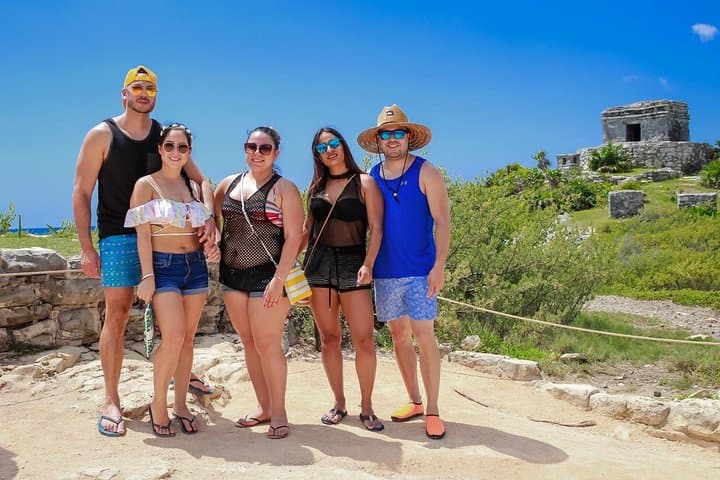
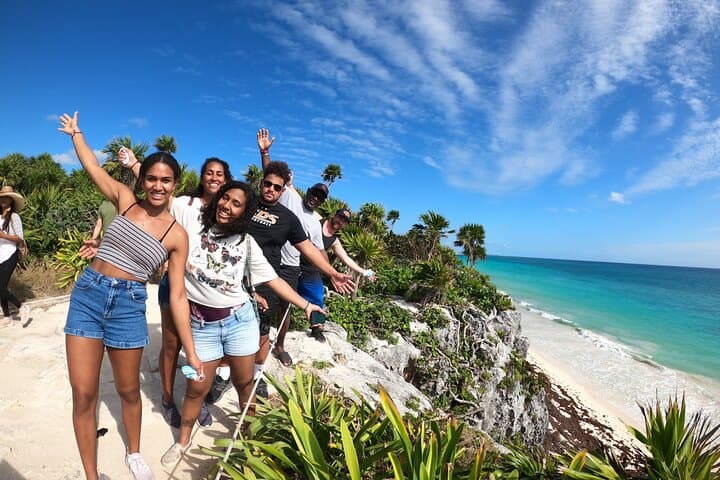
The day opens with Caribbean light slanting off ancient stone: you stand before Tulum’s cliff-edge ruins while the sea hisses below, then travel south to a calm bay where sea grass ripples and turtles glide like slow punctuation marks. The itinerary moves from archaeology to reef to underground water—each environment asking for a different kind of attention.
Verified experiences and guided adventures in the surrounding area.
Operated by Turismo Channel · Tulum, Quintana Roo
The day opens with Caribbean light slanting off ancient stone: you stand before Tulum’s cliff-edge ruins while the sea hisses below, then travel south to a calm bay where sea grass ripples and turtles glide like slow punctuation marks. The itinerary moves from archaeology to reef to underground water—each environment asking for a different kind of attention.
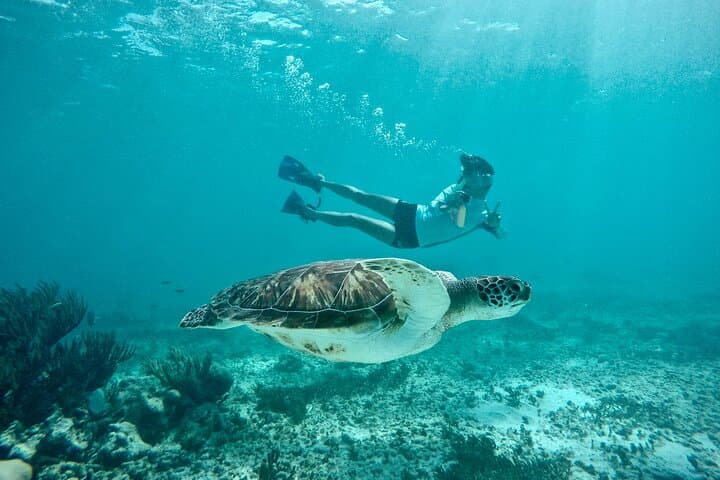
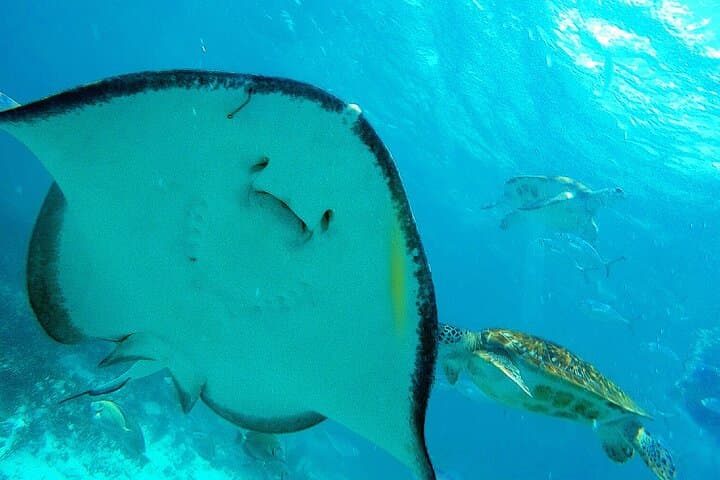
Tulum was a late‑period Maya port where coastal trade met inland routes; its limestone cliffs are fossilized beach and reef from a changing shoreline. Akumal—“place of turtles” in Yucatec Maya—sits on a shallow reef where green turtles come to graze seagrass. Nearby cenotes are collapsed karst systems that reveal freshwater passages and calcium formations that formed over millennia and preserve marine fossils at lower levels.
Culturally, this stretch of Quintana Roo mixes Maya heritage with modern coastal tourism: local guides can frame ruins and reef in the same story of resource use and survival. Expect bilingual guiding, short walks on uneven stone at Tulum, shallow-water snorkel conditions in Akumal (often with current near channels), and a guided cenote swim through vaults and stalactites.
Practical guidance: bring reef‑safe sunscreen, a well‑fitting snorkel mask, swim shoes, and water; avoid touching wildlife or reef. Start early to beat crowds and protect midday sun exposure. Fitness-wise, moderate stamina and basic swimming ability are sufficient—you’ll alternate standing, walking, and snorkeling during a roughly 10‑hour day. Respect local conservation rules: observe turtles at a distance, follow your guide, and carry out any trash. This day trip pairs historical perspective with active marine wildlife viewing for travelers who want both context and immersion.
moderate.
10 hours.
Moderate level of fitness: you should be comfortable with short hikes, standing on uneven surfaces, and snorkeling for periods up to 30–60 minutes.
No wildlife sighting is guaranteed, but Akumal has a stable population of green sea turtles; mornings and cooler months generally offer better visibility and higher likelihood.
No—basic snorkeling skills and comfort in shallow open water are sufficient; guides stay nearby and provide brief orientation.
Wetsuits are typically not required in the warm Caribbean water; rental availability varies—check with the operator if you want one for buoyancy or sun protection.
No—touching or feeding marine life is prohibited to protect animal health and comply with conservation rules; observe from a respectful distance.
Tulum is a post‑classic Maya seaport built on coastal limestone bluffs; its location marks where maritime and inland trade routes converged in the 13th–16th centuries.
The reef and turtle populations are sensitive to sunscreen, anchoring, and overcrowding—use reef‑safe products, follow guide instructions, and avoid touching animals or corals.
Turismo Channel operates guided outdoor trips and adventures with an emphasis on safety, stewardship, and memorable experiences.
The day opens with Caribbean light slanting off ancient stone: you stand before Tulum’s cliff-edge ruins while the sea hisses below, then travel south to a calm bay where sea grass ripples and turtles glide like slow punctuation marks. The itinerary moves from archaeology to reef to underground water—each environment asking for a different kind of attention.
The day opens with Caribbean light slanting off ancient stone: you stand before Tulum’s cliff-edge ruins while the sea hisses below, then travel south to a calm bay where sea grass ripples and turtles glide like slow punctuation marks. The itinerary moves from archaeology to reef to underground water—each environment asking for a different kind of attention.
Tulum was a late‑period Maya port where coastal trade met inland routes; its limestone cliffs are fossilized beach and reef from a changing shoreline. Akumal—“place of turtles” in Yucatec Maya—sits on a shallow reef where green turtles come to graze seagrass. Nearby cenotes are collapsed karst systems that reveal freshwater passages and calcium formations that formed over millennia and preserve marine fossils at lower levels.
Culturally, this stretch of Quintana Roo mixes Maya heritage with modern coastal tourism: local guides can frame ruins and reef in the same story of resource use and survival. Expect bilingual guiding, short walks on uneven stone at Tulum, shallow-water snorkel conditions in Akumal (often with current near channels), and a guided cenote swim through vaults and stalactites.
Practical guidance: bring reef‑safe sunscreen, a well‑fitting snorkel mask, swim shoes, and water; avoid touching wildlife or reef. Start early to beat crowds and protect midday sun exposure. Fitness-wise, moderate stamina and basic swimming ability are sufficient—you’ll alternate standing, walking, and snorkeling during a roughly 10‑hour day. Respect local conservation rules: observe turtles at a distance, follow your guide, and carry out any trash. This day trip pairs historical perspective with active marine wildlife viewing for travelers who want both context and immersion.