THE ADVENTURE COLLECTIVE® · Independent discovery and booking for outdoor travel

Beat the crowds with an early private tour of Tulum’s cliffside ruins, snorkel a crystalline cenote, and cool off in a tranquil lagoon before a flavorsome downtown taco brunch. Practical, active, and steeped in local geology and culture.
Beat the crowds with an early private tour of Tulum’s cliffside ruins, snorkel a crystalline cenote, and cool off in a tranquil lagoon before a flavorsome downtown taco brunch. Practical, active, and steeped in local geology and culture.
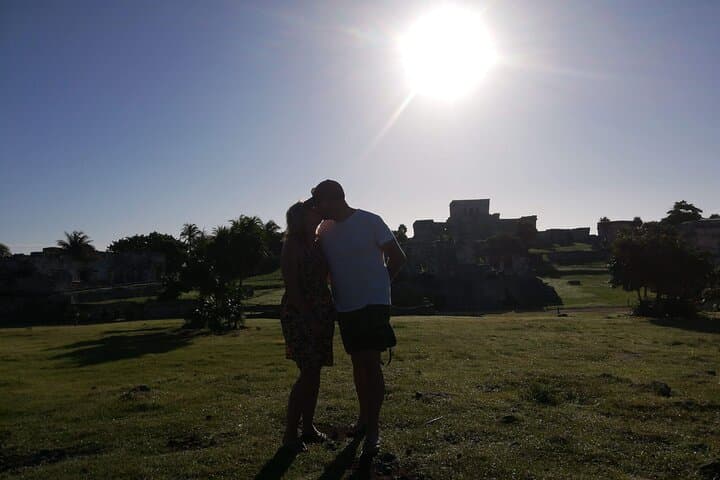
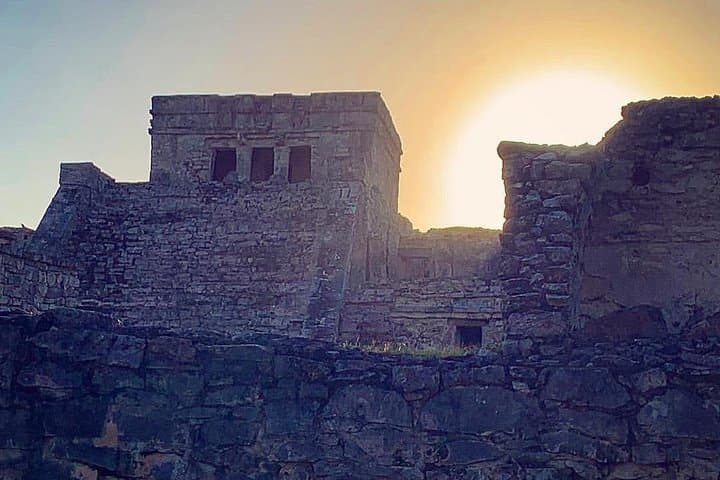
Dawn slices the Caribbean horizon as you step onto the cliff edge where Tulum’s ruins watch the sea. Salt air pushes against the stone; gulls wheel and the first light paints stucco and limestone in sharp relief. Moving through the site early means empty plazas and a clear line of sight to the cliffside temples that once oversaw maritime trade routes.
Verified experiences and guided adventures in the surrounding area.
Operated by Tulaka México · Tulum, Quintana Roo
Dawn slices the Caribbean horizon as you step onto the cliff edge where Tulum’s ruins watch the sea. Salt air pushes against the stone; gulls wheel and the first light paints stucco and limestone in sharp relief. Moving through the site early means empty plazas and a clear line of sight to the cliffside temples that once oversaw maritime trade routes.
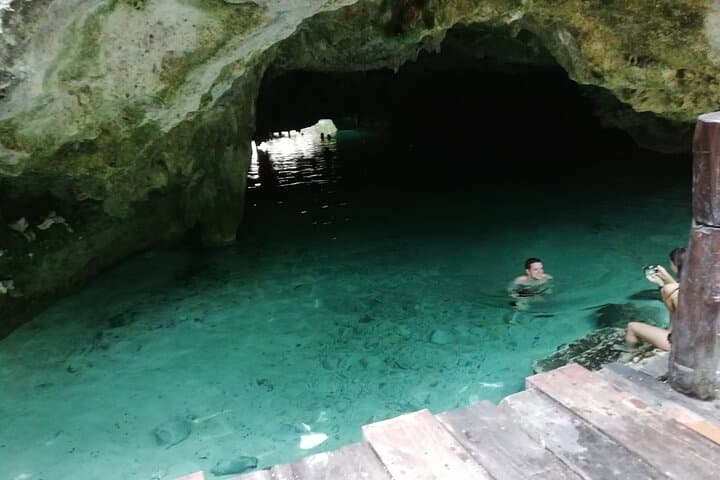
This coastline is late post‑classic Maya: compact coastal citadels built on exposed limestone karst. The cenote that follows tells a deeper geological story — rainwater eating the reef and forming underground chambers whose clear water refracts shafts of light. Tulum town adds a modern, low-rise counterpoint: simple palapa restaurants, murals, and a slow rhythm shaped by fishing and tourism.
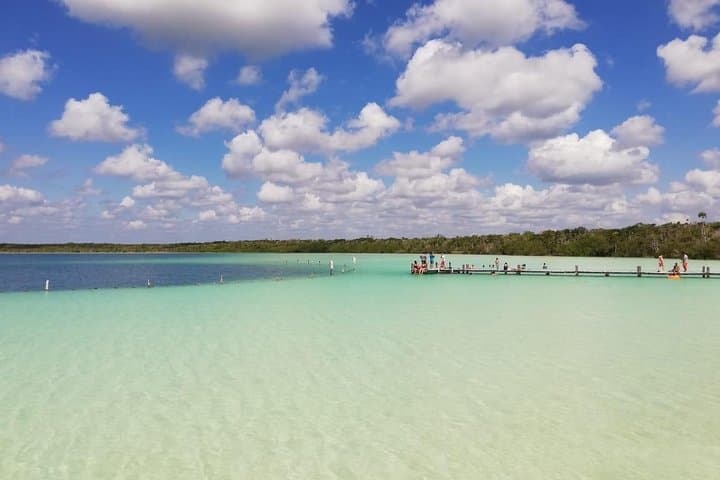
Expect a day of mixed activity: short archaeological walks on uneven stone, a guided snorkel in a freshwater cenote, a buoyant dip in a calm lagoon and a relaxed lunch in town. Guides will orient you to ruins etiquette, basic snorkeling technique and local ecology. Pack for sun and water: reef‑safe sunscreen, a sturdy water shoe for cenotes, and a dry bag for cameras.
Timing is everything—early arrival at the site avoids crowds and midday heat. Respect the site by staying on paths and following your guide’s lead. Hydrate frequently; humidity and sun can push your energy downhill faster than the gentle Caribbean breeze suggests. The day balances cultural insight and hands‑on aquatic time, giving a concise snapshot of what makes the Riviera Maya both geologic and human terrain.
moderate.
7–8 hours.
Suitable for most fitness levels; participants should be comfortable walking on uneven terrain and swimming short distances.
The tour includes admission to the archaeological site as listed; confirm at booking since some operators require onsite fee variations.
Yes — snorkeling in the cenote and swimming in the lagoon are included but optional for those who prefer to stay onshore.
The tour is family‑friendly; infants must sit on laps per provider policy and stroller access is possible for parts of the day.
Private transportation is provided; you’ll confirm a pickup point and time during booking and show your reservation when boarding.
Tulum functioned as a late post‑classic Maya port and trading hub, notable for its cliff‑top defensive position and maritime connections.
The region emphasizes protection of cenotes and reef systems—use reef‑safe products and follow guide instructions to minimize impact.
Tulaka México operates guided outdoor trips and adventures with an emphasis on safety, stewardship, and memorable experiences.
Dawn slices the Caribbean horizon as you step onto the cliff edge where Tulum’s ruins watch the sea. Salt air pushes against the stone; gulls wheel and the first light paints stucco and limestone in sharp relief. Moving through the site early means empty plazas and a clear line of sight to the cliffside temples that once oversaw maritime trade routes.
Dawn slices the Caribbean horizon as you step onto the cliff edge where Tulum’s ruins watch the sea. Salt air pushes against the stone; gulls wheel and the first light paints stucco and limestone in sharp relief. Moving through the site early means empty plazas and a clear line of sight to the cliffside temples that once oversaw maritime trade routes.
This coastline is late post‑classic Maya: compact coastal citadels built on exposed limestone karst. The cenote that follows tells a deeper geological story — rainwater eating the reef and forming underground chambers whose clear water refracts shafts of light. Tulum town adds a modern, low-rise counterpoint: simple palapa restaurants, murals, and a slow rhythm shaped by fishing and tourism.
Expect a day of mixed activity: short archaeological walks on uneven stone, a guided snorkel in a freshwater cenote, a buoyant dip in a calm lagoon and a relaxed lunch in town. Guides will orient you to ruins etiquette, basic snorkeling technique and local ecology. Pack for sun and water: reef‑safe sunscreen, a sturdy water shoe for cenotes, and a dry bag for cameras.
Timing is everything—early arrival at the site avoids crowds and midday heat. Respect the site by staying on paths and following your guide’s lead. Hydrate frequently; humidity and sun can push your energy downhill faster than the gentle Caribbean breeze suggests. The day balances cultural insight and hands‑on aquatic time, giving a concise snapshot of what makes the Riviera Maya both geologic and human terrain.