THE ADVENTURE COLLECTIVE® · Independent discovery and booking for outdoor travel

Explore Tulum’s cliff-top Mayan ruins and nearby cenotes on a private 4–5 hour tour from Cancún. Expect guided history at the Castillo, independent exploring time, and practical tips for heat, park rules, and optional cenote stops.
Explore Tulum’s cliff-top Mayan ruins and nearby cenotes on a private 4–5 hour tour from Cancún. Expect guided history at the Castillo, independent exploring time, and practical tips for heat, park rules, and optional cenote stops.
You step out of the air-conditioned vehicle and the Caribbean wind pushes across white sand and ancient stone, the sea daring you to look back toward the horizon where trade canoes once arrived.
Verified experiences and guided adventures in the surrounding area.
Operated by Make Your Own Tour · Tulum, Quintana Roo
You step out of the air-conditioned vehicle and the Caribbean wind pushes across white sand and ancient stone, the sea daring you to look back toward the horizon where trade canoes once arrived.
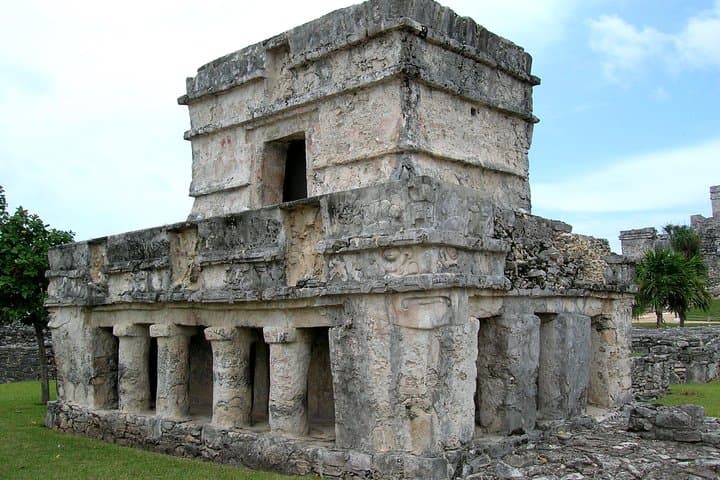
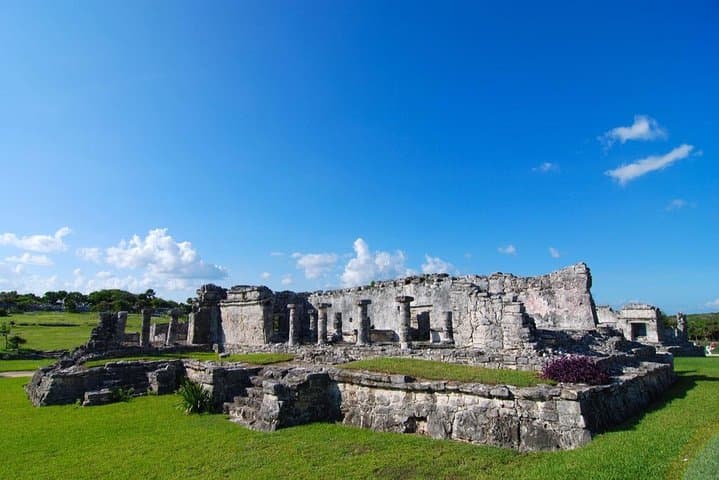
Perched on a limestone cliff, Tulum’s ruins are a compact archaeological site that reads like a coastal fortress: temples oriented to sun and sea, stairways worn by centuries of foot traffic, and views that reward every pause. Built as a maritime trading port during the Late Postclassic period, Tulum was one of the last cities inhabited and fortified by the Maya; its stuccoed facades and carved reliefs reflect a culture tied to the sea and seasonal cycles.
Geologically the coastline is Pleistocene limestone; sinkholes and underground rivers punctuate the hinterland, feeding cenotes that range from clear cavern pools to leafy jungle basins. Local culture today blends Maya heritage with a growing eco-tourism scene—expect small restaurants, beach clubs, and guides who read both history and tides.
Practically: a private 4–5 hour tour from Cancún gives you guided context at the main plaza and Castillo, then time to explore on your own. Park rules prohibit single-use plastics and outside food; bring a refillable bottle, sun protection, and comfortable shoes for uneven stone and sandy trails. If you add a cenote stop, swap sandals for water shoes and secure valuables; currents in cenotes can be calm but are colder than the sea.
Timing matters—arrive early to beat heat and crowds, or book late afternoon for softer light and fewer tour groups. A private vehicle keeps transit smooth; extra hours can usually be purchased if you want more beach time or a deeper cenote exploration.
moderate.
4–5 hours.
Light to moderate fitness; must be comfortable walking on uneven stone, sandy paths, and short staircases
Drive time is typically 1.5 to 2 hours each way, depending on traffic and your pick-up location in Cancún.
Standard tours often do not include archaeological park admission or cenote fees; check your booking and bring cash or card for on-site payments.
The beach below the ruins is accessible but currents can be strong; swim with caution and follow any posted warnings.
Yes; the tour is rated physically easy, but the site has stairs and uneven ground—consider mobility limits and sun exposure.
Tulum was a fortified Maya maritime port during the Late Postclassic period, important for coastal trade and ceremonial activity.
Park regulations forbid single-use plastics and restrict where you can walk; entrance fees and responsible visitation support site preservation and local conservation efforts.
Make Your Own Tour operates guided outdoor trips and adventures with an emphasis on safety, stewardship, and memorable experiences.
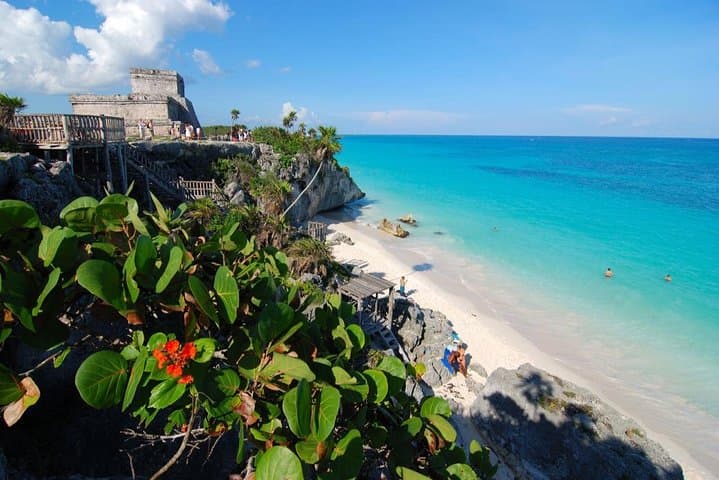
You step out of the air-conditioned vehicle and the Caribbean wind pushes across white sand and ancient stone, the sea daring you to look back toward the horizon where trade canoes once arrived.
You step out of the air-conditioned vehicle and the Caribbean wind pushes across white sand and ancient stone, the sea daring you to look back toward the horizon where trade canoes once arrived.
Perched on a limestone cliff, Tulum’s ruins are a compact archaeological site that reads like a coastal fortress: temples oriented to sun and sea, stairways worn by centuries of foot traffic, and views that reward every pause. Built as a maritime trading port during the Late Postclassic period, Tulum was one of the last cities inhabited and fortified by the Maya; its stuccoed facades and carved reliefs reflect a culture tied to the sea and seasonal cycles.
Geologically the coastline is Pleistocene limestone; sinkholes and underground rivers punctuate the hinterland, feeding cenotes that range from clear cavern pools to leafy jungle basins. Local culture today blends Maya heritage with a growing eco-tourism scene—expect small restaurants, beach clubs, and guides who read both history and tides.
Practically: a private 4–5 hour tour from Cancún gives you guided context at the main plaza and Castillo, then time to explore on your own. Park rules prohibit single-use plastics and outside food; bring a refillable bottle, sun protection, and comfortable shoes for uneven stone and sandy trails. If you add a cenote stop, swap sandals for water shoes and secure valuables; currents in cenotes can be calm but are colder than the sea.
Timing matters—arrive early to beat heat and crowds, or book late afternoon for softer light and fewer tour groups. A private vehicle keeps transit smooth; extra hours can usually be purchased if you want more beach time or a deeper cenote exploration.