THE ADVENTURE COLLECTIVE® · Independent discovery and booking for outdoor travel

Combine cliffside Mayan history with high-octane jungle riding and a freshwater cenote swim on this private half-day from Tulum. Expect guided exploration of El Castillo, a guided ATV loop through classic Yucatán jungle, and a refreshing cenote dip.
Combine cliffside Mayan history with high-octane jungle riding and a freshwater cenote swim on this private half-day from Tulum. Expect guided exploration of El Castillo, a guided ATV loop through classic Yucatán jungle, and a refreshing cenote dip.
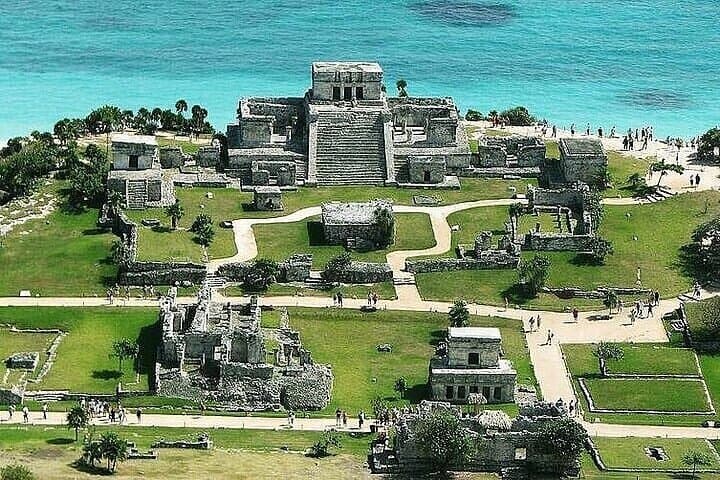
The limestone cliff drops away to a strip of turquoise that seems to breathe—salt air and history mixing as the guide walks past El Castillo and the Temple of the Frescoes. Visitors move from shaded stone avenues where the wind carries gull calls to the open cliff-edge plaza, where the Caribbean dares you to look farther.
Verified experiences and guided adventures in the surrounding area.
Operated by Tantum Travel · Tulum, Quintana Roo
The limestone cliff drops away to a strip of turquoise that seems to breathe—salt air and history mixing as the guide walks past El Castillo and the Temple of the Frescoes. Visitors move from shaded stone avenues where the wind carries gull calls to the open cliff-edge plaza, where the Caribbean dares you to look farther.
Tulum was a Late Postclassic Mayan trading port, one of the few sites built on a coast, its stuccoed facades cut by centuries of breeze and salt. The sedimentary limestone cliffs are part of the Yucatán platform; groundwater sits close to the surface, feeding the underground river systems that form cenotes—sacred freshwater wells the Maya used for rituals and daily life.
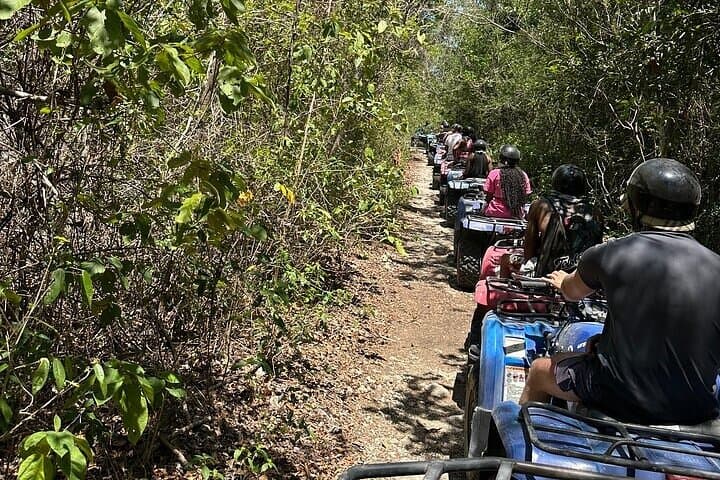
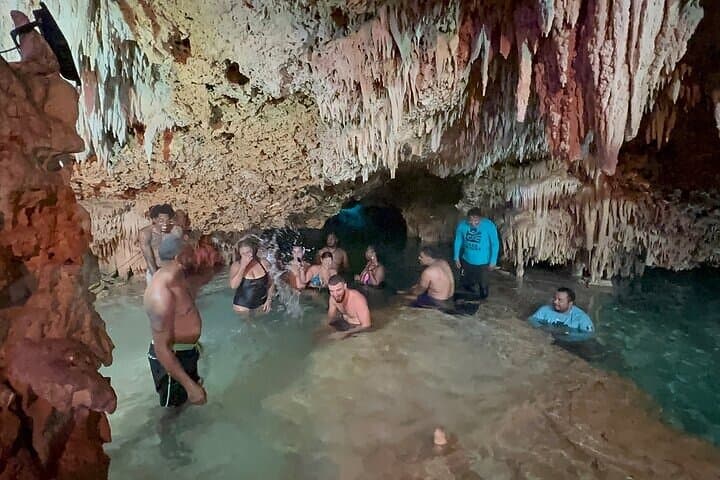
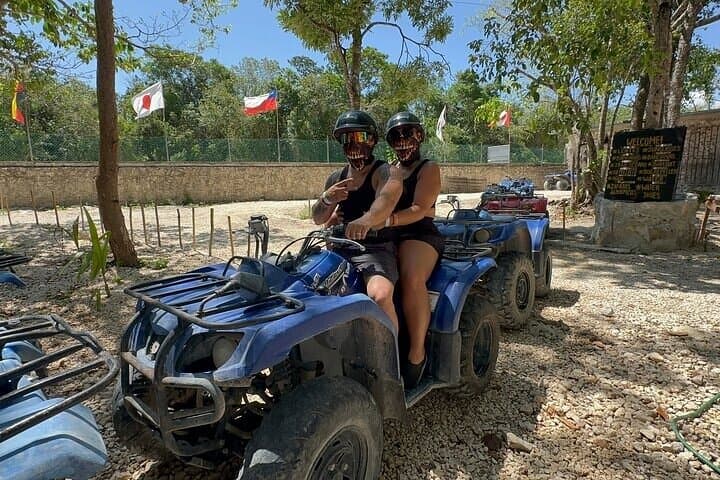
After the archaeological tour, the day shifts: helmets on, engines start, and the jungle narrows into a corridor of palm and ceiba. The ATV section is an adrenaline-driven study in contrasts—rutted tracks, sudden clearings, and the heady scent of damp earth. A final cooldown arrives at a cenote, where clear water and dappled light invite a slow swim and a quiet moment.
Practical notes: the full experience runs about 4–5 hours, requires a moderate fitness level and a willingness to ride on uneven trails. Bring reef-safe sunscreen, sturdy closed-toe shoes for the ATV, and a waterproof bag for phones. Expect some walking at the ruins on uneven surfaces; the guide provides context on Mayan culture and points out local flora and fauna. Timing a morning departure reduces crowds at the ruins and avoids the midday heat.
moderate.
4–5 hours.
Moderate fitness—comfortable walking at archaeological site and physical ability to handle an ATV over bumpy terrain.
Yes—this private tour typically includes entrance fees to the Tulum ruins and private transportation from pickup points as listed in the booking details.
No—guides provide a brief safety orientation; however, participants should be comfortable controlling a vehicle on uneven trails.
Yes—most operators provide flotation devices; request one if you prefer added buoyancy.
Participants should be in moderate physical health; operators often restrict pregnant travelers and those with serious spinal or heart conditions.
Tulum was a coastal Maya port in the Late Postclassic period, important for maritime trade and ritual activity tied to cenotes and coastal routes.
Respect archaeological structures and stay on marked paths; use reef-safe products and avoid entering cenotes with sunscreen to protect freshwater ecosystems.
Tantum Travel operates guided outdoor trips and adventures with an emphasis on safety, stewardship, and memorable experiences.
The limestone cliff drops away to a strip of turquoise that seems to breathe—salt air and history mixing as the guide walks past El Castillo and the Temple of the Frescoes. Visitors move from shaded stone avenues where the wind carries gull calls to the open cliff-edge plaza, where the Caribbean dares you to look farther.
The limestone cliff drops away to a strip of turquoise that seems to breathe—salt air and history mixing as the guide walks past El Castillo and the Temple of the Frescoes. Visitors move from shaded stone avenues where the wind carries gull calls to the open cliff-edge plaza, where the Caribbean dares you to look farther.
Tulum was a Late Postclassic Mayan trading port, one of the few sites built on a coast, its stuccoed facades cut by centuries of breeze and salt. The sedimentary limestone cliffs are part of the Yucatán platform; groundwater sits close to the surface, feeding the underground river systems that form cenotes—sacred freshwater wells the Maya used for rituals and daily life.
After the archaeological tour, the day shifts: helmets on, engines start, and the jungle narrows into a corridor of palm and ceiba. The ATV section is an adrenaline-driven study in contrasts—rutted tracks, sudden clearings, and the heady scent of damp earth. A final cooldown arrives at a cenote, where clear water and dappled light invite a slow swim and a quiet moment.
Practical notes: the full experience runs about 4–5 hours, requires a moderate fitness level and a willingness to ride on uneven trails. Bring reef-safe sunscreen, sturdy closed-toe shoes for the ATV, and a waterproof bag for phones. Expect some walking at the ruins on uneven surfaces; the guide provides context on Mayan culture and points out local flora and fauna. Timing a morning departure reduces crowds at the ruins and avoids the midday heat.