THE ADVENTURE COLLECTIVE® · Independent discovery and booking for outdoor travel

Combine a morning turtle snorkel in Akumal’s clear lagoon with a guided visit to the cliffside Tulum ruins. This full-day trip mixes marine wildlife viewing with coastal Mayan history—ideal for travelers who want two iconic experiences in one.
Combine a morning turtle snorkel in Akumal’s clear lagoon with a guided visit to the cliffside Tulum ruins. This full-day trip mixes marine wildlife viewing with coastal Mayan history—ideal for travelers who want two iconic experiences in one.
Morning light slices the Caribbean and the air tastes of salt and sap as you step off the minivan near Akumal. Guide in hand, you walk from sun-warmed sand into water so clear the reef appears suspended below like a living map. Sea turtles glide, unhurried, through seagrass beds while small fish weave through coral fingers; the ocean here nudges you to move slowly and watch.
Verified experiences and guided adventures in the surrounding area.
Operated by Cancun Travel Experience · Tulum, Quintana Roo
Morning light slices the Caribbean and the air tastes of salt and sap as you step off the minivan near Akumal. Guide in hand, you walk from sun-warmed sand into water so clear the reef appears suspended below like a living map. Sea turtles glide, unhurried, through seagrass beds while small fish weave through coral fingers; the ocean here nudges you to move slowly and watch.
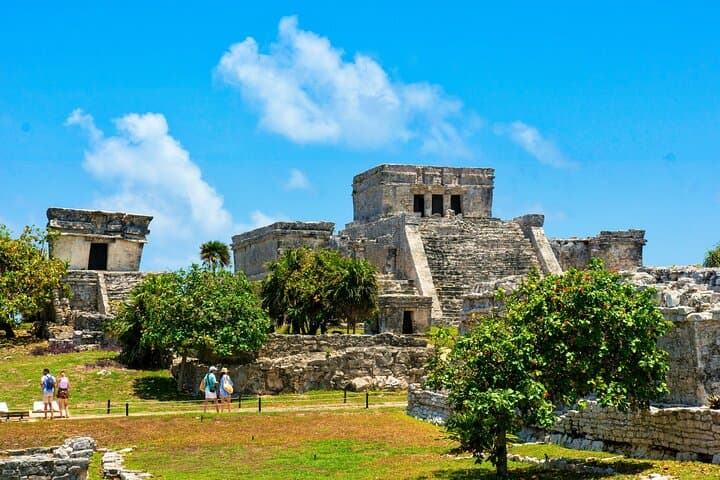
Later the bus winds back toward Tulum’s coastal bluff. The walled Mayan port sits on a limestone platform carved by sea-level shifts and reef growth over millennia. Stone temples, an observatory and the Castillo look out over turquoise surf—remnants of a trading center that linked inland cities with Caribbean routes.
Expect two distinct rhythms: the tactile, breathing world of reef and turtle, and the quiet, sun-baked stones of a once-busy harbor. Local guides explain both the biological sensitivity of Akumal’s bay and the Mayan practices visible in Tulum’s orientation and architecture. Cultural notes: Tulum was a late Postclassic Maya site; its position reflects commerce and celestial observation.
Practical guidance: arrive early for better turtle sightings, wear reef-safe sunscreen, and follow the guide’s buoyancy and distancing rules to protect animals and coral. Bring a towel, water-resistant bag for wet gear, and cash for the mandatory site fees (payable in MXN). The tour runs about eight hours and pairs easy snorkeling with moderate walking on uneven archaeology pathways—comfortable shoes, a hat and hydration will keep the day effortless and memorable.
easy.
8 hours.
Light to moderate—suitable for people who can swim short distances and walk on uneven archaeological paths for ~1.5–2 hours total.
No—turtles are wild animals. Early departures and calm conditions increase the chance to see them, but sightings cannot be guaranteed.
Guides are typically bilingual (Spanish/English) but confirm with the operator if you need another language prior to booking.
Yes—a mandatory surcharge (750 MXN as of 2025) for federal and local fees is payable in cash on the day of your visit.
Pickup is offered from select locations; Tulum hotels may require meeting at the designated meeting point—confirm your pickup option when booking.
Tulum was a late Postclassic Maya port and trading hub positioned on a limestone cliff; its coastal placement reflects both commerce and astronomical observation.
Akumal and Tulum sit within sensitive marine and coastal reserves—use reef‑safe sunscreen, avoid touching wildlife and follow local rules to minimize your footprint.
Cancun Travel Experience operates guided outdoor trips and adventures with an emphasis on safety, stewardship, and memorable experiences.
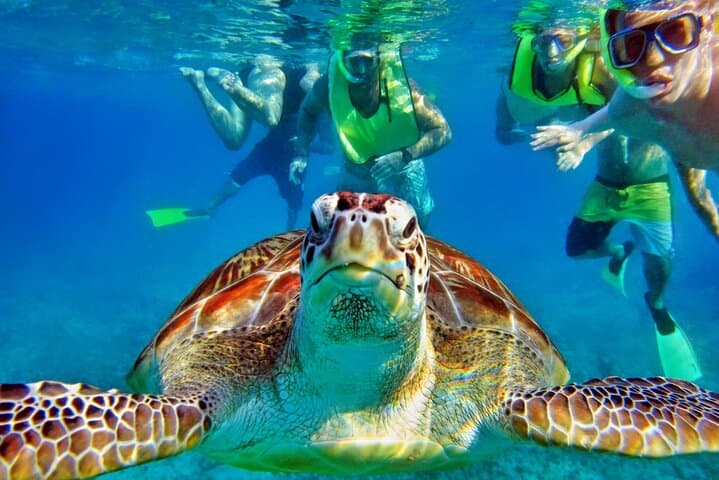

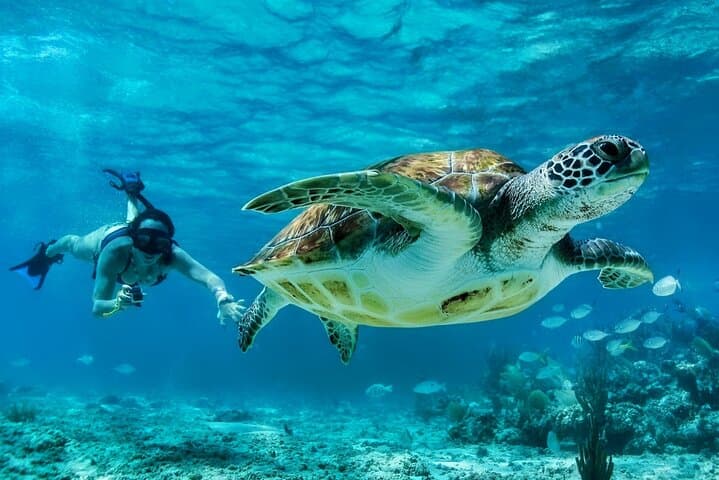
Morning light slices the Caribbean and the air tastes of salt and sap as you step off the minivan near Akumal. Guide in hand, you walk from sun-warmed sand into water so clear the reef appears suspended below like a living map. Sea turtles glide, unhurried, through seagrass beds while small fish weave through coral fingers; the ocean here nudges you to move slowly and watch.
Morning light slices the Caribbean and the air tastes of salt and sap as you step off the minivan near Akumal. Guide in hand, you walk from sun-warmed sand into water so clear the reef appears suspended below like a living map. Sea turtles glide, unhurried, through seagrass beds while small fish weave through coral fingers; the ocean here nudges you to move slowly and watch.
Later the bus winds back toward Tulum’s coastal bluff. The walled Mayan port sits on a limestone platform carved by sea-level shifts and reef growth over millennia. Stone temples, an observatory and the Castillo look out over turquoise surf—remnants of a trading center that linked inland cities with Caribbean routes.
Expect two distinct rhythms: the tactile, breathing world of reef and turtle, and the quiet, sun-baked stones of a once-busy harbor. Local guides explain both the biological sensitivity of Akumal’s bay and the Mayan practices visible in Tulum’s orientation and architecture. Cultural notes: Tulum was a late Postclassic Maya site; its position reflects commerce and celestial observation.
Practical guidance: arrive early for better turtle sightings, wear reef-safe sunscreen, and follow the guide’s buoyancy and distancing rules to protect animals and coral. Bring a towel, water-resistant bag for wet gear, and cash for the mandatory site fees (payable in MXN). The tour runs about eight hours and pairs easy snorkeling with moderate walking on uneven archaeology pathways—comfortable shoes, a hat and hydration will keep the day effortless and memorable.