THE ADVENTURE COLLECTIVE® · Independent discovery and booking for outdoor travel

A photographer‑led full‑day tour that pairs cenote swims, snorkel time on clear coastal water, and iconic Tulum sites with posed and candid photo captures. Perfect for travelers who want professional images and a compact introduction to the region’s geology and culture.
A photographer‑led full‑day tour that pairs cenote swims, snorkel time on clear coastal water, and iconic Tulum sites with posed and candid photo captures. Perfect for travelers who want professional images and a compact introduction to the region’s geology and culture.
You step off the air‑conditioned van and the light changes—pale limestone glows, jungle smells sharp, and a photographer calls for one more candid as turquoise water waits a few steps away.
Verified experiences and guided adventures in the surrounding area.
Operated by Landing Tours Cancun · Tulum, Quintana Roo
You step off the air‑conditioned van and the light changes—pale limestone glows, jungle smells sharp, and a photographer calls for one more candid as turquoise water waits a few steps away.
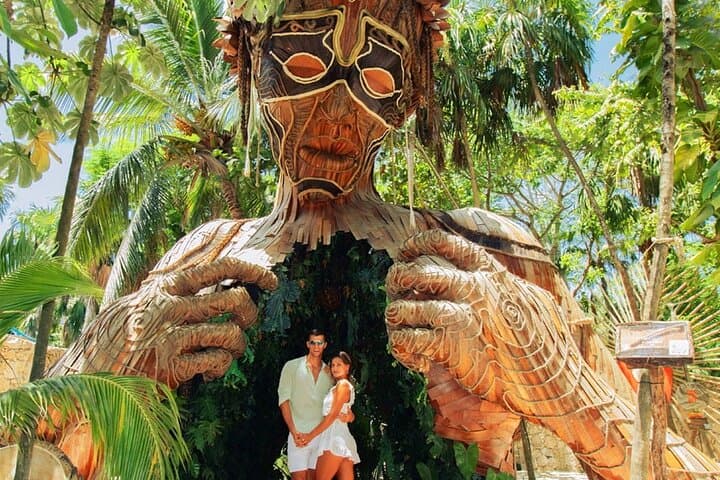
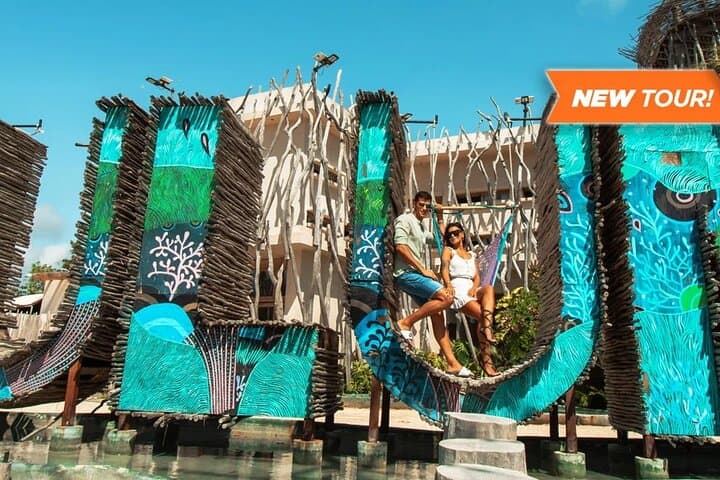
This full‑day photographic loop moves from the coastal plain into the living geology of the Riviera Maya: collapsed limestone caves (cenotes) carved by freshwater, the low cliffs and beaches that front the Mesoamerican Barrier Reef, and the shallow, windblown ruins that mark Tulum's role as a late‑Postclassic Mayan port. Along the way you’ll pass immersive art installations and private beach clubs—modern gestures that sit alongside centuries‑old stone platforms.
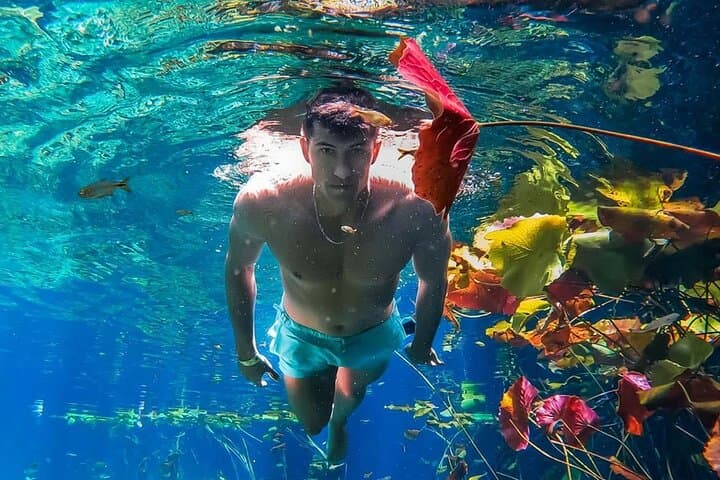
Expect quick swims and snorkel sessions in caverns where water clarity reveals stalactites and life below the surface. Cultural context arrives in small doses: local guides explain cenote ritual use and the ecological importance of the reef, while the restaurant lunch at a beach club highlights regional seafood and Yucatecan flavors.
Practically, the tour is photo‑oriented: professional photographers stage shots, deliver a digital package, and ferry you between sites in climate control. Bring reef‑safe sunscreen, a change of clothes, and footwear that handles sand, stairs and slippery stone. Hydrate before and during the day; cenote swims are refreshing but can mask dehydration.
Timing matters—mornings offer softer light in caves, midafternoon suits beach portraits. Respect restricted zones at archaeological sites and avoid lotions before entering cenotes to protect fragile karst water and reef systems. In short: come ready to move, swim, and get photographed in one of Mexico’s most photogenic coastal landscapes.
easy.
6–7 hours.
Suitable for most fitness levels; involves short swims, stairs into cenotes, and standing for photos.
Yes — a digital photo package taken by professional photographers is included as part of the experience.
Basic snorkeling ability is recommended; guides provide masks and tubes and will brief beginners on technique.
The tour is rated easy but includes stairs and short swims; inquire about accessibility and child policies when booking.
Avoid chemical sunscreens, insect repellents, and plastic that could contaminate fragile freshwater systems; use biodegradable products and secure loose items.
Tulum served as a late‑Postclassic Mayan port; cenotes were sacred freshwater sources and still hold archaeological and cultural significance.
Cenotes and the nearby reef are ecologically sensitive—use biodegradable products, follow site rules, and avoid touching formations or marine life.
Landing Tours Cancun operates guided outdoor trips and adventures with an emphasis on safety, stewardship, and memorable experiences.

You step off the air‑conditioned van and the light changes—pale limestone glows, jungle smells sharp, and a photographer calls for one more candid as turquoise water waits a few steps away.
You step off the air‑conditioned van and the light changes—pale limestone glows, jungle smells sharp, and a photographer calls for one more candid as turquoise water waits a few steps away.
This full‑day photographic loop moves from the coastal plain into the living geology of the Riviera Maya: collapsed limestone caves (cenotes) carved by freshwater, the low cliffs and beaches that front the Mesoamerican Barrier Reef, and the shallow, windblown ruins that mark Tulum's role as a late‑Postclassic Mayan port. Along the way you’ll pass immersive art installations and private beach clubs—modern gestures that sit alongside centuries‑old stone platforms.
Expect quick swims and snorkel sessions in caverns where water clarity reveals stalactites and life below the surface. Cultural context arrives in small doses: local guides explain cenote ritual use and the ecological importance of the reef, while the restaurant lunch at a beach club highlights regional seafood and Yucatecan flavors.
Practically, the tour is photo‑oriented: professional photographers stage shots, deliver a digital package, and ferry you between sites in climate control. Bring reef‑safe sunscreen, a change of clothes, and footwear that handles sand, stairs and slippery stone. Hydrate before and during the day; cenote swims are refreshing but can mask dehydration.
Timing matters—mornings offer softer light in caves, midafternoon suits beach portraits. Respect restricted zones at archaeological sites and avoid lotions before entering cenotes to protect fragile karst water and reef systems. In short: come ready to move, swim, and get photographed in one of Mexico’s most photogenic coastal landscapes.