THE ADVENTURE COLLECTIVE® · Independent discovery and booking for outdoor travel

Spend a long day exploring the cliffside Mayan ruins of Tulum, swimming in a shaded cenote, photographing the giant Madre Naturaleza sculpture and wandering Playa del Carmen’s Fifth Avenue. This full‑day excursion pairs cultural interpretation with time to cool off in freshwater caverns.
Spend a long day exploring the cliffside Mayan ruins of Tulum, swimming in a shaded cenote, photographing the giant Madre Naturaleza sculpture and wandering Playa del Carmen’s Fifth Avenue. This full‑day excursion pairs cultural interpretation with time to cool off in freshwater caverns.
You step off the shuttle and the sea appears — a slab of Caribbean turquoise framed by weathered limestone and the low stone silhouette of a Mayan wall. The Tulum ruins sit on a bluff where coral rock meets surf; gulls and frigatebirds circle the cliffs while iguanas sun themselves on fractured steps.
Verified experiences and guided adventures in the surrounding area.
Operated by Cancun and Chichen Itza Experiences · Tulum, Quintana Roo
You step off the shuttle and the sea appears — a slab of Caribbean turquoise framed by weathered limestone and the low stone silhouette of a Mayan wall. The Tulum ruins sit on a bluff where coral rock meets surf; gulls and frigatebirds circle the cliffs while iguanas sun themselves on fractured steps.
Tulum was a late‑postclassic Maya port, fortified and oriented to seafaring trade; the limestone beneath your feet is part of an ancient reef and a karst system that channels subterranean rivers into the cenotes that punctuate the Yucatán. At the cenote you’ll trade salt for cool, clear freshwater: shafts of light pick out suspended pollen and the limestone formations overhead. Later, Playa del Carmen’s Quinta Avenida offers a contrast of open air commerce — street art, craft stalls, and oceanfront cafes.
Practical guidance: this is a full‑day loop — expect roughly 13–15 hours door‑to‑door with fixed site times (about 2 hours at Tulum, 1 hour at the cenote, 1 hour in Playa del Carmen). Terrain is uneven: wear sturdy walking shoes for ruins and non‑slip sandals for swimming. Life vests are provided at the cenote; bring quick‑dry layers and reef‑safe sunscreen. Hydrate early — bottled water and box lunch are included but carry a refillable bottle. Arrive early at Tulum if you want photos with fewer crowds; midday brings buses and tour groups. Respect fragile cave features and the reef: avoid lotions before entering cenotes and coral areas. With a certified guide and included admissions, the trip balances cultural context with down‑time in the water — practical, scenic, and grounded in local history.
moderate.
13–15 hours.
Suitable for travelers in average fitness — involves walking on uneven stone, short climbs and swimming in calm water
Yes — pickup from Cancun and nearby hotels is arranged; provide your hotel name to receive a confirmed pickup time.
Admissions to Tulum and the cenote plus a box lunch (one dish choice) are included as stated in the itinerary.
Yes — swimming is part of the visit; life vests are provided and the water is typically cool and clear.
The tour is family‑friendly but the ruins and cenote involve stairs and uneven ground; it’s not recommended for travelers with serious mobility limitations or certain medical conditions noted by the operator.
Tulum was a fortified Maya port city prominent in the late postclassic period, strategically perched above trade routes and the Caribbean sea.
Cenotes and coastal reefs are ecologically sensitive; visitors are asked to use reef‑safe products, avoid touching formations, and follow local regulations to reduce impact.
Cancun and Chichen Itza Experiences operates guided outdoor trips and adventures with an emphasis on safety, stewardship, and memorable experiences.
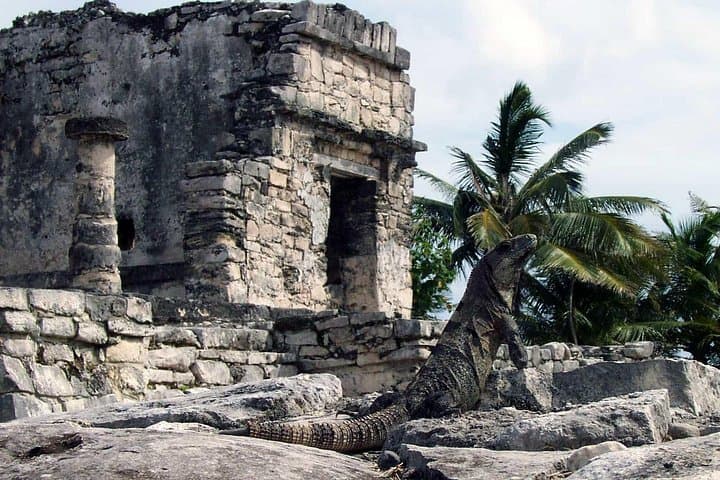
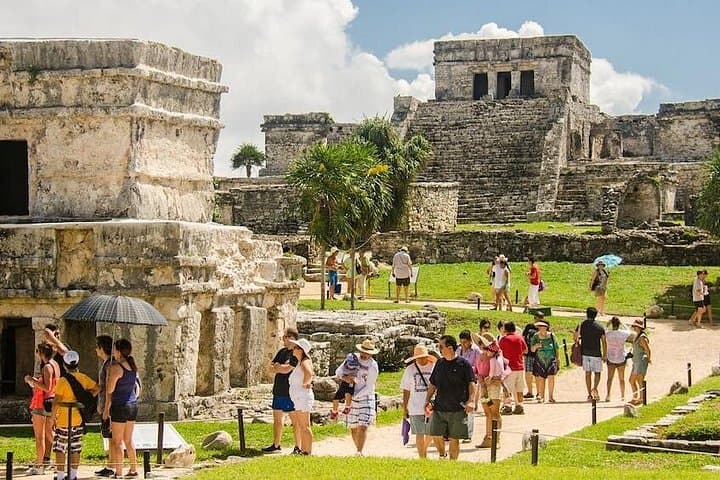
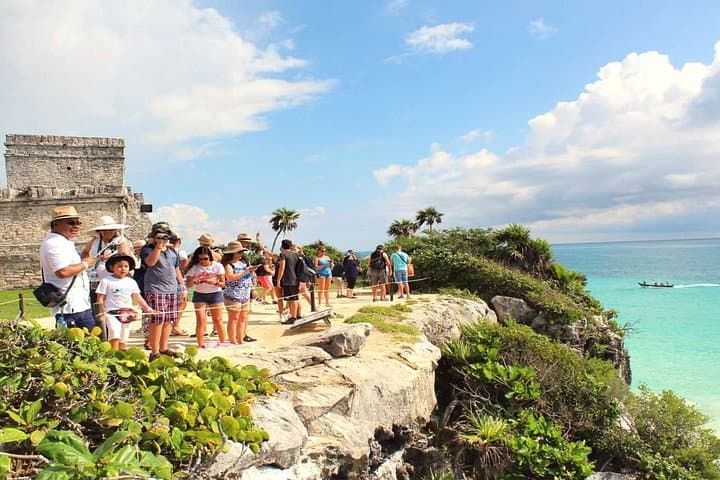
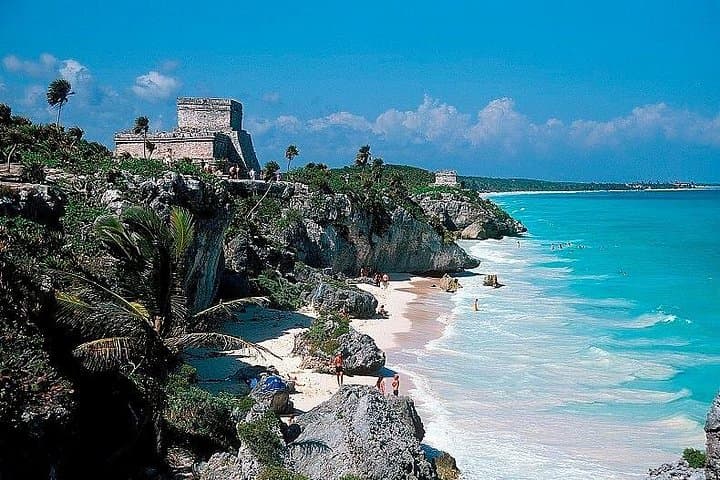
You step off the shuttle and the sea appears — a slab of Caribbean turquoise framed by weathered limestone and the low stone silhouette of a Mayan wall. The Tulum ruins sit on a bluff where coral rock meets surf; gulls and frigatebirds circle the cliffs while iguanas sun themselves on fractured steps.
You step off the shuttle and the sea appears — a slab of Caribbean turquoise framed by weathered limestone and the low stone silhouette of a Mayan wall. The Tulum ruins sit on a bluff where coral rock meets surf; gulls and frigatebirds circle the cliffs while iguanas sun themselves on fractured steps.
Tulum was a late‑postclassic Maya port, fortified and oriented to seafaring trade; the limestone beneath your feet is part of an ancient reef and a karst system that channels subterranean rivers into the cenotes that punctuate the Yucatán. At the cenote you’ll trade salt for cool, clear freshwater: shafts of light pick out suspended pollen and the limestone formations overhead. Later, Playa del Carmen’s Quinta Avenida offers a contrast of open air commerce — street art, craft stalls, and oceanfront cafes.
Practical guidance: this is a full‑day loop — expect roughly 13–15 hours door‑to‑door with fixed site times (about 2 hours at Tulum, 1 hour at the cenote, 1 hour in Playa del Carmen). Terrain is uneven: wear sturdy walking shoes for ruins and non‑slip sandals for swimming. Life vests are provided at the cenote; bring quick‑dry layers and reef‑safe sunscreen. Hydrate early — bottled water and box lunch are included but carry a refillable bottle. Arrive early at Tulum if you want photos with fewer crowds; midday brings buses and tour groups. Respect fragile cave features and the reef: avoid lotions before entering cenotes and coral areas. With a certified guide and included admissions, the trip balances cultural context with down‑time in the water — practical, scenic, and grounded in local history.