THE ADVENTURE COLLECTIVE® · Independent discovery and booking for outdoor travel

Spend a day between cliffside Mayan ruins, reef snorkeling and a secluded cenote swim. This guided 6–8 hour trip blends coastal history with hands-on marine and freshwater encounters—perfect for travelers who want variety and clear logistics.
Spend a day between cliffside Mayan ruins, reef snorkeling and a secluded cenote swim. This guided 6–8 hour trip blends coastal history with hands-on marine and freshwater encounters—perfect for travelers who want variety and clear logistics.
You arrive at the cliff edge where stone meets the Caribbean and the wind pushes a steady, salt-sweet breath against your face. Below, turquoise water dares you closer; above, El Castillo holds its watch over the coast. The day unfolds with equal parts history and water: a guided walk through the Tulum Archaeological Zone, a reef snorkel that reveals coral gardens and darting fish, and a quiet cenote swim inside a collapsed limestone cave.
Verified experiences and guided adventures in the surrounding area.
Operated by Adrenaline · Tulum, Quintana Roo
You arrive at the cliff edge where stone meets the Caribbean and the wind pushes a steady, salt-sweet breath against your face. Below, turquoise water dares you closer; above, El Castillo holds its watch over the coast. The day unfolds with equal parts history and water: a guided walk through the Tulum Archaeological Zone, a reef snorkel that reveals coral gardens and darting fish, and a quiet cenote swim inside a collapsed limestone cave.
Tulum sits on a coastal limestone shelf carved by waves and time; the ruins are the remains of a Late Postclassic Mayan port and ritual center. The cenotes you visit are openings in the karst aquifer — freshwater chambers that sustained Maya life and played roles in ceremonies. Culturally, guides commonly discuss Tulum’s role in trade and the spiritual significance of cenotes to local communities.
Practical side: this is a 6–8 hour shared tour with round-trip, air-conditioned transport and supplied snorkeling gear. Expect short walks on uneven, sun-exposed paths at the ruins and wet, slippery stone at cenote entry points. Follow local rules: don’t touch coral or wildlife, use biodegradable sunscreen (apply at your hotel), and bring a towel, change of clothes and cash for tips or souvenirs.
Timing matters — early mornings reduce crowds at the ruins and improve underwater visibility. Pace yourself between sun and salt: hydrate, wear reef-safe sun protection, and let the guide set the rhythm so you can move between past and present with intention.
easy.
6–8 hours.
Suitable for most fitness levels; participants should be comfortable with short walks on uneven ground and basic swimming/snorkeling.
Yes — the tour supplies full snorkeling equipment and a bilingual guide; you can bring your own mask if you prefer.
Most travelers can participate; flotation devices are typically available, but basic swimming comfort is recommended for reef segments.
Many cenotes have basic changing areas and restrooms but facilities vary — bring a towel and plan for simple amenities.
The tour may be canceled or rescheduled for rough seas or heavy storms; cancellations 24 hours prior are refundable per policy.
Tulum was a Late Postclassic Maya coastal trade hub; its cliff-top position combined maritime access with ritual sites, while cenotes provided essential freshwater and ceremonial spaces.
The reef is part of a protected marine area—avoid touching coral, use reef-safe sunscreens, and follow guide rules to reduce impact on fragile underwater life.
Adrenaline operates guided outdoor trips and adventures with an emphasis on safety, stewardship, and memorable experiences.
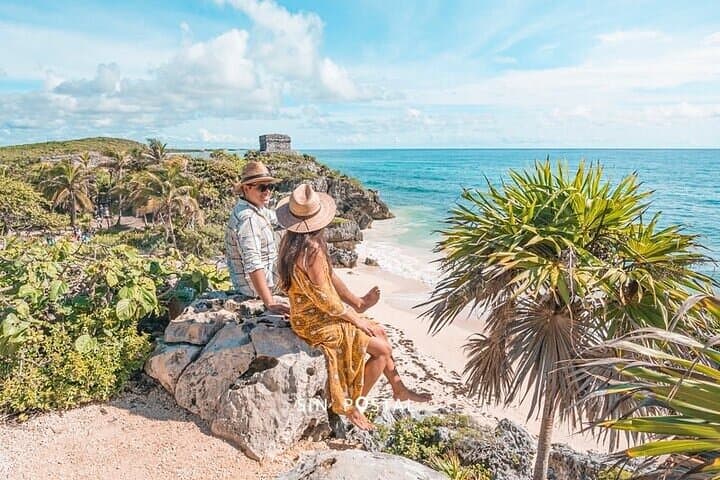
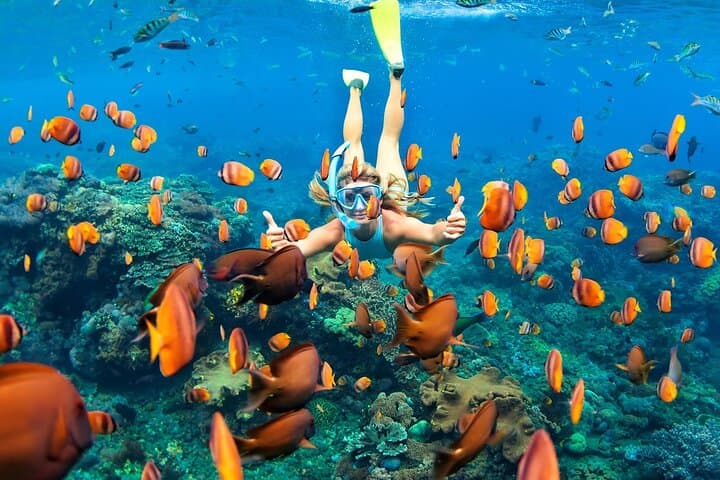
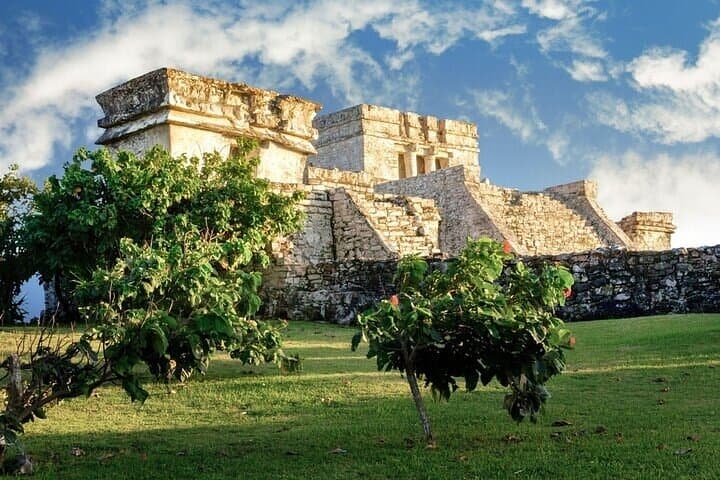
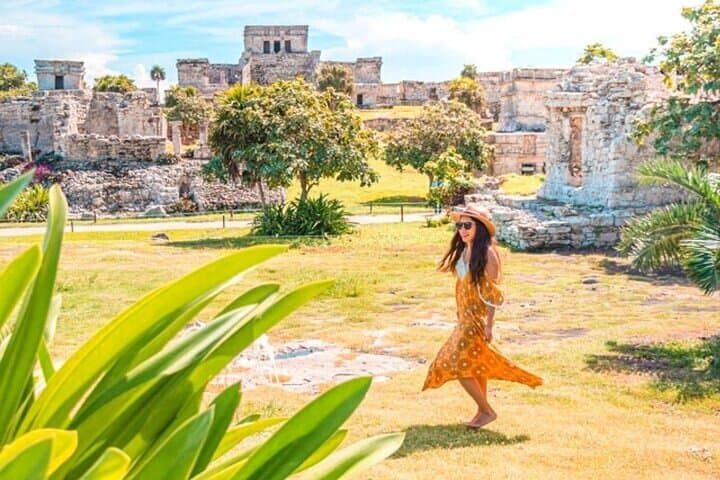
You arrive at the cliff edge where stone meets the Caribbean and the wind pushes a steady, salt-sweet breath against your face. Below, turquoise water dares you closer; above, El Castillo holds its watch over the coast. The day unfolds with equal parts history and water: a guided walk through the Tulum Archaeological Zone, a reef snorkel that reveals coral gardens and darting fish, and a quiet cenote swim inside a collapsed limestone cave.
You arrive at the cliff edge where stone meets the Caribbean and the wind pushes a steady, salt-sweet breath against your face. Below, turquoise water dares you closer; above, El Castillo holds its watch over the coast. The day unfolds with equal parts history and water: a guided walk through the Tulum Archaeological Zone, a reef snorkel that reveals coral gardens and darting fish, and a quiet cenote swim inside a collapsed limestone cave.
Tulum sits on a coastal limestone shelf carved by waves and time; the ruins are the remains of a Late Postclassic Mayan port and ritual center. The cenotes you visit are openings in the karst aquifer — freshwater chambers that sustained Maya life and played roles in ceremonies. Culturally, guides commonly discuss Tulum’s role in trade and the spiritual significance of cenotes to local communities.
Practical side: this is a 6–8 hour shared tour with round-trip, air-conditioned transport and supplied snorkeling gear. Expect short walks on uneven, sun-exposed paths at the ruins and wet, slippery stone at cenote entry points. Follow local rules: don’t touch coral or wildlife, use biodegradable sunscreen (apply at your hotel), and bring a towel, change of clothes and cash for tips or souvenirs.
Timing matters — early mornings reduce crowds at the ruins and improve underwater visibility. Pace yourself between sun and salt: hydrate, wear reef-safe sun protection, and let the guide set the rhythm so you can move between past and present with intention.