THE ADVENTURE COLLECTIVE® · Independent discovery and booking for outdoor travel

Spend a full day exploring Tulum’s seaside ruins, climbing the jungle-covered pyramid at Coba, swimming in a crystalline cenote, and visiting a traditional Mayan village before finishing on Playa del Carmen’s lively 5th Avenue. This one-day loop blends archaeology, nature, and living culture.
Spend a full day exploring Tulum’s seaside ruins, climbing the jungle-covered pyramid at Coba, swimming in a crystalline cenote, and visiting a traditional Mayan village before finishing on Playa del Carmen’s lively 5th Avenue. This one-day loop blends archaeology, nature, and living culture.
By sunrise the minivan peels away from the Puerto or hotel strip and the Caribbean wind fills the windows. The first stop is Tulum: a compact archaeological site perched on a low limestone bluff where turquoise surf pushes against ancient walls. Guides move groups along stone causeways while gulls wheel overhead and the sea keeps time.
Verified experiences and guided adventures in the surrounding area.
Operated by MiViajealCaribe.com · Tulum, Quintana Roo
By sunrise the minivan peels away from the Puerto or hotel strip and the Caribbean wind fills the windows. The first stop is Tulum: a compact archaeological site perched on a low limestone bluff where turquoise surf pushes against ancient walls. Guides move groups along stone causeways while gulls wheel overhead and the sea keeps time.
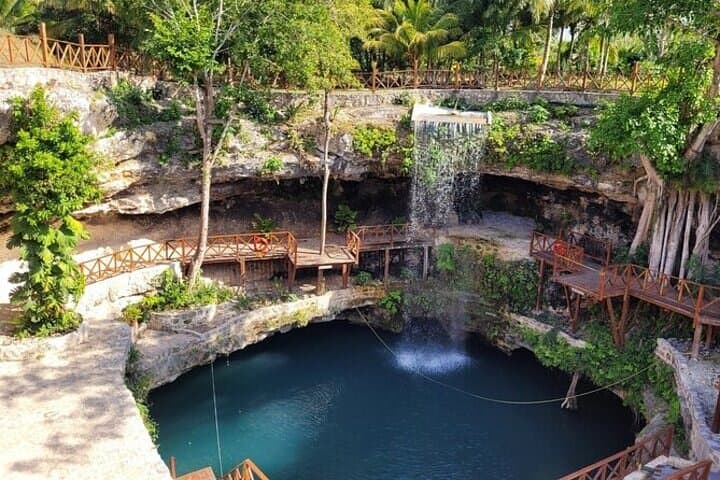
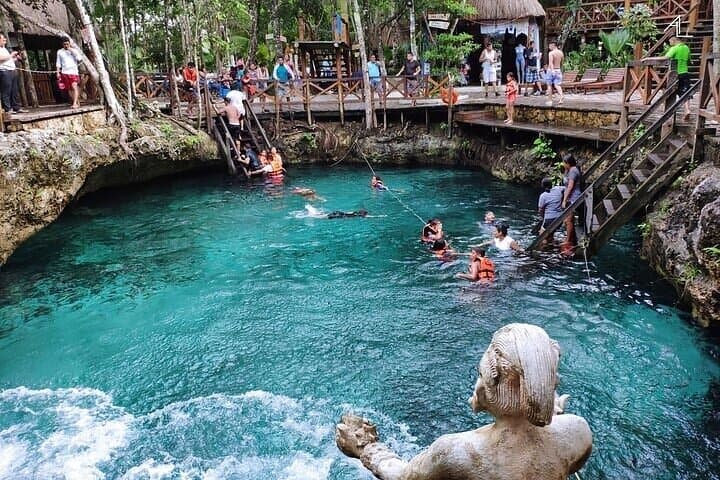
Tulum was a late-postclassic Maya port built on porous limestone; its ruins read as a manuscript of maritime trade and coastal ritual. Inland at Coba, the jungle reclaims wide sacbé (white roads) and Nohoch Mul — the Yucatan’s tallest pyramid — rises through foliage, demanding a short, steep climb for a wide, leafy panorama. Between them, a cenote awaits: an underground aquifer exposed when the karst ceiling collapsed, its clear water cool and still enough to feel like a reset.
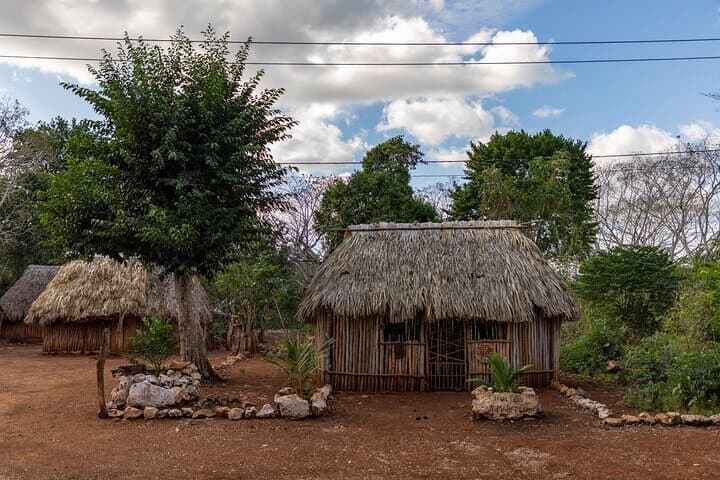
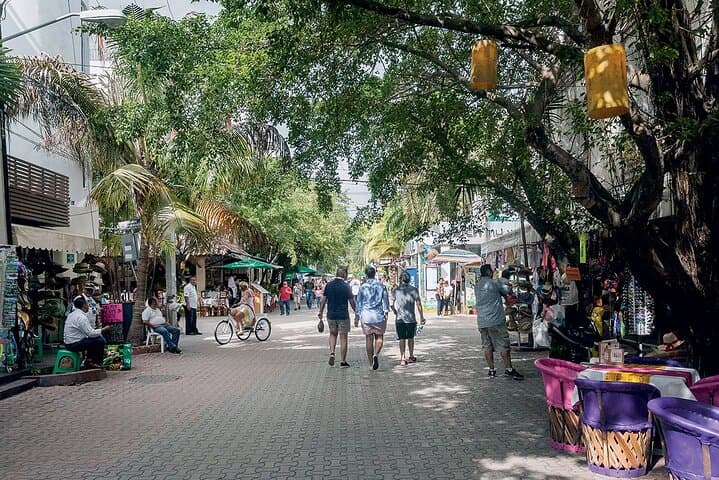
A visit to a living Mayan village adds cultural context: artisans demonstrate weaving and foodways, and local stewards explain conservation needs. The day finishes with a brisk, sensory change on Playa del Carmen’s 5th Avenue—street life, shops, and open-air restaurants.
Practical note: plan for a long day (10–12 hours), bring cash for the local conservation fee, and wear sturdy shoes for uneven limestone and damp steps. Reef-safe sunscreen and a quick-dry swimsuit are essential for cenote swims. Expect guided time limits at each stop and moderate walking plus a pyramid climb; if you prefer a slower pace, consider a private option or extra rest stops.
moderate.
10–12 hours.
Suitable for travelers in average fitness — expect several short hikes, uneven terrain, a steep pyramid climb, and a swim in a cenote.
Yes — round-trip transportation from most Cancun and Playa del Carmen accommodations is included; exact pickup time is confirmed after booking.
Tulum, Coba and cenote admissions are included, but the separate Mayan culture conservation fee (approx. $30 USD) is not included and must be paid locally.
Climbing is allowed for most visitors but involves steep, uneven steps; anyone with mobility issues should avoid the climb and can still explore nearby areas.
Yes — a buffet lunch is included in the itinerary at a local spot after the cenote visit.
Tulum functioned as a coastal trading and ceremonial center in the late Maya period; Coba dates earlier and connects a network of sacbé roads reaching across the peninsula.
Cenotes are fragile freshwater systems — avoid lotions before swimming and respect signage. Local conservation fees support community stewardship and archaeological site maintenance.
MiViajealCaribe.com operates guided outdoor trips and adventures with an emphasis on safety, stewardship, and memorable experiences.
By sunrise the minivan peels away from the Puerto or hotel strip and the Caribbean wind fills the windows. The first stop is Tulum: a compact archaeological site perched on a low limestone bluff where turquoise surf pushes against ancient walls. Guides move groups along stone causeways while gulls wheel overhead and the sea keeps time.
By sunrise the minivan peels away from the Puerto or hotel strip and the Caribbean wind fills the windows. The first stop is Tulum: a compact archaeological site perched on a low limestone bluff where turquoise surf pushes against ancient walls. Guides move groups along stone causeways while gulls wheel overhead and the sea keeps time.
Tulum was a late-postclassic Maya port built on porous limestone; its ruins read as a manuscript of maritime trade and coastal ritual. Inland at Coba, the jungle reclaims wide sacbé (white roads) and Nohoch Mul — the Yucatan’s tallest pyramid — rises through foliage, demanding a short, steep climb for a wide, leafy panorama. Between them, a cenote awaits: an underground aquifer exposed when the karst ceiling collapsed, its clear water cool and still enough to feel like a reset.
A visit to a living Mayan village adds cultural context: artisans demonstrate weaving and foodways, and local stewards explain conservation needs. The day finishes with a brisk, sensory change on Playa del Carmen’s 5th Avenue—street life, shops, and open-air restaurants.
Practical note: plan for a long day (10–12 hours), bring cash for the local conservation fee, and wear sturdy shoes for uneven limestone and damp steps. Reef-safe sunscreen and a quick-dry swimsuit are essential for cenote swims. Expect guided time limits at each stop and moderate walking plus a pyramid climb; if you prefer a slower pace, consider a private option or extra rest stops.