THE ADVENTURE COLLECTIVE® · Independent discovery and booking for outdoor travel

Spend a full day exploring Tulum’s seaside ruins, climbing Nohoch Muul at Coba, and cooling off in a sacred cenote. This guided tour mixes archaeological context with practical logistics—perfect for a single-day cultural and outdoor outing.
Spend a full day exploring Tulum’s seaside ruins, climbing Nohoch Muul at Coba, and cooling off in a sacred cenote. This guided tour mixes archaeological context with practical logistics—perfect for a single-day cultural and outdoor outing.
A low sun catches the limestone cliff above the Caribbean as the tour bus pulls into Tulum—the ruined city perched where jungle meets sea. Walkways thread between low stone temples while salt air pushes inland, and the guide’s voice slices through the morning calm with dates, names and the layout of the site.
Verified experiences and guided adventures in the surrounding area.
Operated by Cancun Tours Book · Tulum, Quintana Roo
A low sun catches the limestone cliff above the Caribbean as the tour bus pulls into Tulum—the ruined city perched where jungle meets sea. Walkways thread between low stone temples while salt air pushes inland, and the guide’s voice slices through the morning calm with dates, names and the layout of the site.
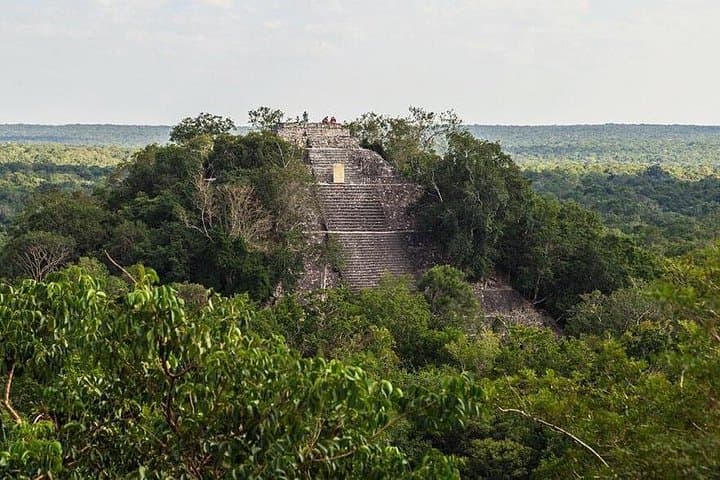
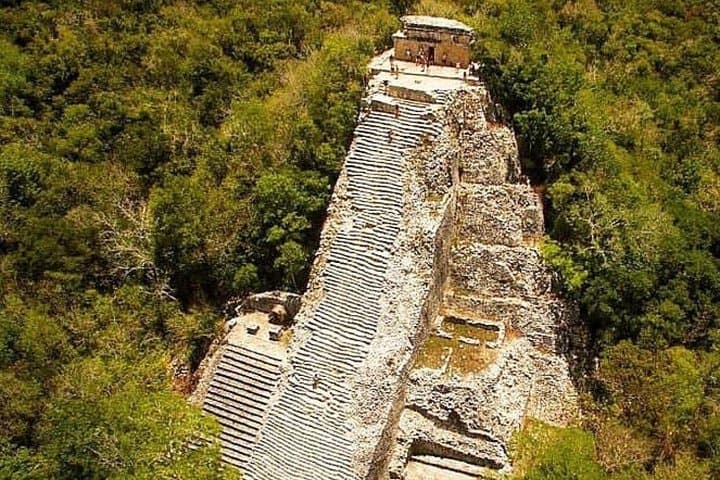
The day moves inland to Coba, where broad sacbé (ancient raised roads) and forested paths give way to Nohoch Muul, the Yucatán’s tallest pyramid. Geologically the region is porous karst: underground rivers carve caverns and collapse into cenotes—sinkholes that provide the freshwater pools the Maya called sacred. Cultural traces are visible in carved stelae at Coba and coastal watchposts at Tulum; both sites reflect centuries of Maya maritime trade and inland ceremonial life.
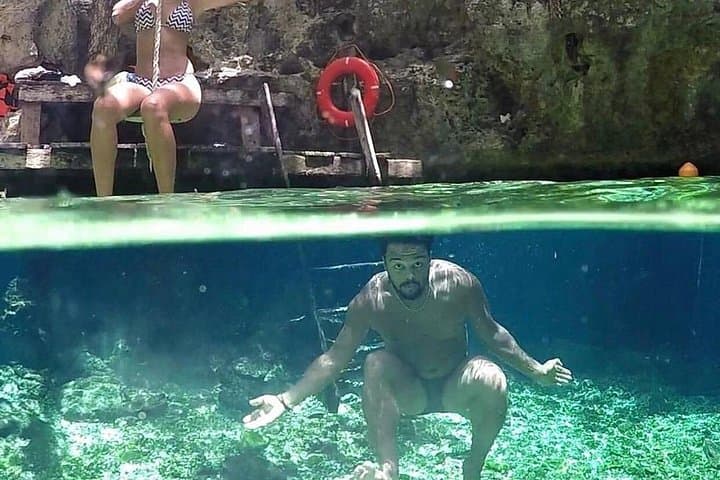
Expect a full day—roughly 10–12 hours—of short guided segments and free time. Coba’s climb is steep (roughly 120 steps to the summit) but optional; Tulum’s coastal promenade offers views with minimal exertion. The cenote swim follows in cool, clear groundwater—most sites require showering off lotions and using reef-safe products.
Practical edge: bring a refillable water bottle, closed-toe shoes for Coba’s uneven paths, swimwear and a quick-dry towel, and small bills for local vendors and restroom fees. Start early to beat heat and crowds; insect repellent and a hat matter during midday. The operator provides air-conditioned transport and lunch, but park rules and pyramid access can change—ask your guide on arrival. The trip pairs archaeological insight with a literal plunge into the Yucatán’s limestone underworld.
moderate.
10–12 hours.
Suitable for most people who can walk 2–4 miles over uneven terrain and climb stairs; the pyramid climb is optional.
Climbing is traditionally permitted but can be closed for safety or conservation—confirm with your guide on the day; the climb is optional.
Park admission for Coba and the cenote is typically included by the operator, but small local fees, locker rentals or photos may require cash.
Most cenotes are calm freshwater pools; if you can’t swim, request a life jacket from the operator and stay in shallower areas guided by staff.
The tour usually offers hotel pickup in Playa del Carmen/Tulum areas in an air-conditioned vehicle; some portions are wheelchair accessible but pyramid access is not.
Tulum was a late‑period Maya coastal city oriented toward maritime trade; Coba served as a regional hub linked by sacbé routes across the peninsula.
Cenotes are fragile freshwater systems—avoid lotions, use provided showers, and follow park rules to reduce chemical and physical impact.
Cancun Tours Book operates guided outdoor trips and adventures with an emphasis on safety, stewardship, and memorable experiences.
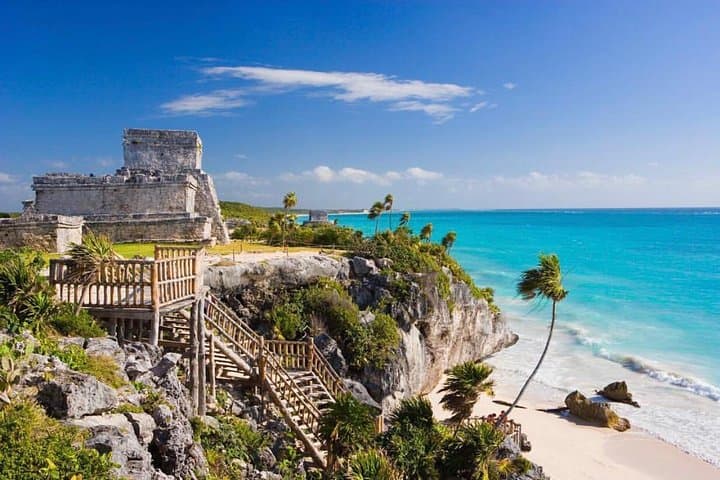
A low sun catches the limestone cliff above the Caribbean as the tour bus pulls into Tulum—the ruined city perched where jungle meets sea. Walkways thread between low stone temples while salt air pushes inland, and the guide’s voice slices through the morning calm with dates, names and the layout of the site.
A low sun catches the limestone cliff above the Caribbean as the tour bus pulls into Tulum—the ruined city perched where jungle meets sea. Walkways thread between low stone temples while salt air pushes inland, and the guide’s voice slices through the morning calm with dates, names and the layout of the site.
The day moves inland to Coba, where broad sacbé (ancient raised roads) and forested paths give way to Nohoch Muul, the Yucatán’s tallest pyramid. Geologically the region is porous karst: underground rivers carve caverns and collapse into cenotes—sinkholes that provide the freshwater pools the Maya called sacred. Cultural traces are visible in carved stelae at Coba and coastal watchposts at Tulum; both sites reflect centuries of Maya maritime trade and inland ceremonial life.
Expect a full day—roughly 10–12 hours—of short guided segments and free time. Coba’s climb is steep (roughly 120 steps to the summit) but optional; Tulum’s coastal promenade offers views with minimal exertion. The cenote swim follows in cool, clear groundwater—most sites require showering off lotions and using reef-safe products.
Practical edge: bring a refillable water bottle, closed-toe shoes for Coba’s uneven paths, swimwear and a quick-dry towel, and small bills for local vendors and restroom fees. Start early to beat heat and crowds; insect repellent and a hat matter during midday. The operator provides air-conditioned transport and lunch, but park rules and pyramid access can change—ask your guide on arrival. The trip pairs archaeological insight with a literal plunge into the Yucatán’s limestone underworld.