THE ADVENTURE COLLECTIVE® · Independent discovery and booking for outdoor travel

Spend a single long day exploring coastal ruins, an inland pyramid, a crystalline cenote and Playa del Carmen’s lively 5th Avenue. This guided tour blends Mayan history, a refreshing swim and time for shopping—ideal for travelers who want variety in one itinerary.
Spend a single long day exploring coastal ruins, an inland pyramid, a crystalline cenote and Playa del Carmen’s lively 5th Avenue. This guided tour blends Mayan history, a refreshing swim and time for shopping—ideal for travelers who want variety in one itinerary.
You arrive as the light softens over the turquoise horizon, the Caribbean breeze pressing cool air against the cliff above the sea. From the first steps through the Tulum ruins the coast seems to lean in—stone platforms and stuccoed temples watching waves that have always marked trade and travel.
Verified experiences and guided adventures in the surrounding area.
Operated by Cancun Mayan Travel · Tulum, Quintana Roo
You arrive as the light softens over the turquoise horizon, the Caribbean breeze pressing cool air against the cliff above the sea. From the first steps through the Tulum ruins the coast seems to lean in—stone platforms and stuccoed temples watching waves that have always marked trade and travel.
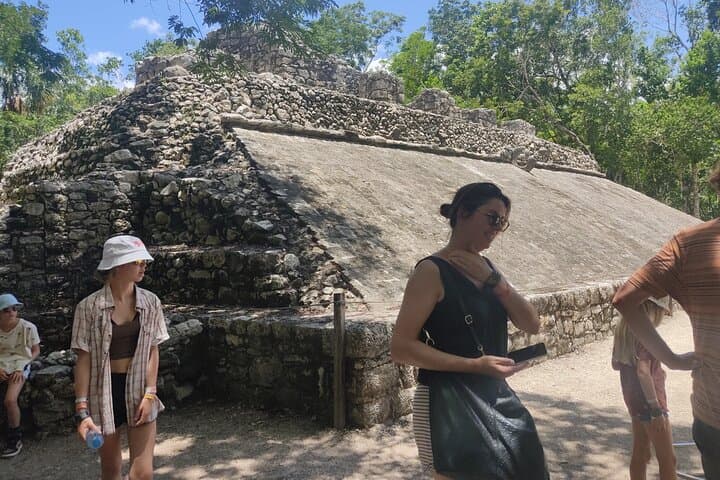
Tulum began as a late-postclassic Maya port; its cliffs and coastal outlooks served both ritual and practical roles. Inland, Coba sits amid low jungle and limestone karst—its network of sacbeob (white roads) once linked a far-reaching Maya map and leads to Nohoch Mul, one of the tallest pyramids in the region. Cenotes like Kuxtal are local geological vaults: collapsed limestone chambers that channel groundwater, their clear depths formed by millennia of karst dissolution.
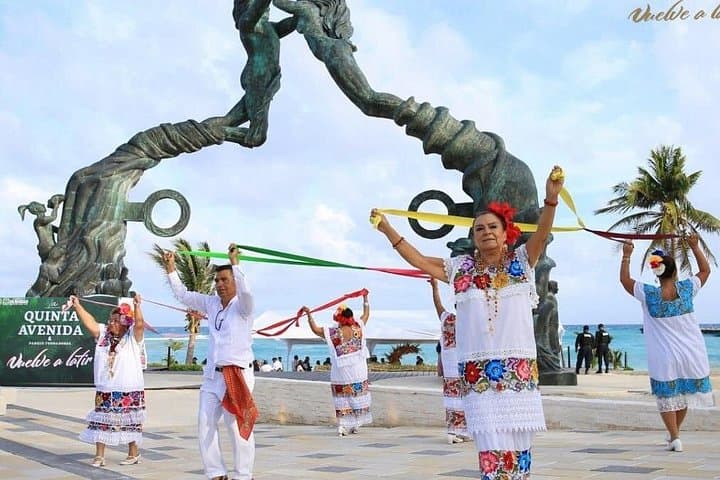
Culturally, guides will weave stories of trade, astronomy, and daily life while local villages still practice crafts and cuisine that echo those traditions. By late afternoon the pulse changes: Playa del Carmen’s 5th Avenue offers a human waterfront of shops, street food and rhythm.
Practical guidance: this is a long, full-day outing—expect 11–12 hours with multiple short walks on uneven, sometimes sandy trails and a freshwater swim. Bring biodegradable sunscreen, a reusable water bottle, light layers for sun protection and a towel for the cenote. Cash is useful for the preservation tax and village purchases. Follow your guide’s safety briefings—swimming in cenotes is calm but depth varies and currents are subtle. Timed well, the day balances archaeology, a cool swim, and a relaxed urban stroll—each scene a different tempo of the Riviera Maya.
moderate.
11–12 hours.
Suitable for travelers in average physical condition; involves several short walks, some stairs and a swim in calm waters.
Entrance to some sites and the cenote are included, but a Mayan preservation tax for Tulum/Coba (paid locally) may apply—bring cash for this fee.
The tour is family-friendly but involves stairs, uneven ground and a fair amount of walking; it’s not recommended for those with significant mobility or certain medical issues.
Yes—the itinerary includes approximately one hour in Playa del Carmen for independent shopping and strolling along 5th Avenue.
Bring swimwear, a towel, waterproof bag for electronics, and biodegradable sunscreen; life jackets are typically available if you prefer one.
Tulum functioned as a late-postclassic Maya walled trading port with direct views to maritime routes; Coba was a major inland hub connected by sacbeob (prehispanic causeways).
Cenotes and coral reefs are vulnerable to pollution and overcrowding—using biodegradable products, minimizing single-use plastics and following site rules helps preserve them.
Cancun Mayan Travel operates guided outdoor trips and adventures with an emphasis on safety, stewardship, and memorable experiences.
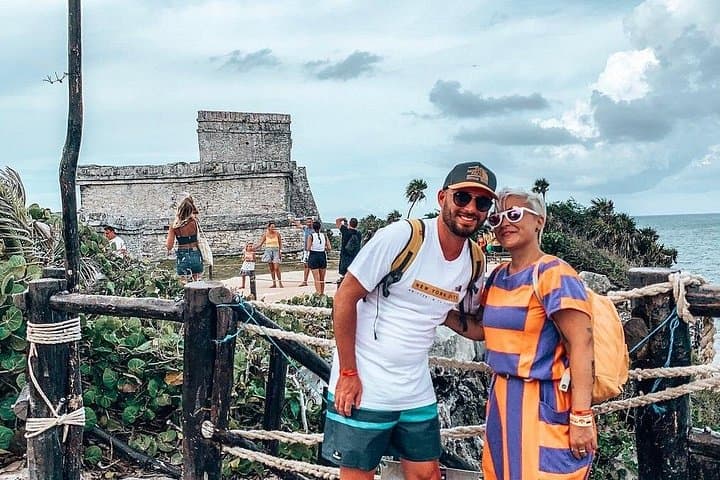
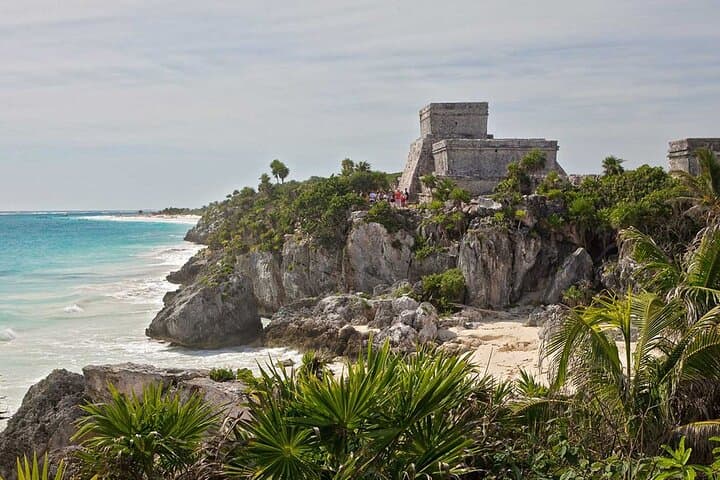
You arrive as the light softens over the turquoise horizon, the Caribbean breeze pressing cool air against the cliff above the sea. From the first steps through the Tulum ruins the coast seems to lean in—stone platforms and stuccoed temples watching waves that have always marked trade and travel.
You arrive as the light softens over the turquoise horizon, the Caribbean breeze pressing cool air against the cliff above the sea. From the first steps through the Tulum ruins the coast seems to lean in—stone platforms and stuccoed temples watching waves that have always marked trade and travel.
Tulum began as a late-postclassic Maya port; its cliffs and coastal outlooks served both ritual and practical roles. Inland, Coba sits amid low jungle and limestone karst—its network of sacbeob (white roads) once linked a far-reaching Maya map and leads to Nohoch Mul, one of the tallest pyramids in the region. Cenotes like Kuxtal are local geological vaults: collapsed limestone chambers that channel groundwater, their clear depths formed by millennia of karst dissolution.
Culturally, guides will weave stories of trade, astronomy, and daily life while local villages still practice crafts and cuisine that echo those traditions. By late afternoon the pulse changes: Playa del Carmen’s 5th Avenue offers a human waterfront of shops, street food and rhythm.
Practical guidance: this is a long, full-day outing—expect 11–12 hours with multiple short walks on uneven, sometimes sandy trails and a freshwater swim. Bring biodegradable sunscreen, a reusable water bottle, light layers for sun protection and a towel for the cenote. Cash is useful for the preservation tax and village purchases. Follow your guide’s safety briefings—swimming in cenotes is calm but depth varies and currents are subtle. Timed well, the day balances archaeology, a cool swim, and a relaxed urban stroll—each scene a different tempo of the Riviera Maya.