THE ADVENTURE COLLECTIVE® · Independent discovery and booking for outdoor travel

Experience an intimate blend of Mayan cocoa tradition, stingless-bee conservation and a refreshing cenote swim just outside Tulum. This three-hour sanctuary visit pairs hands-on chocolate and honey workshops with a cultural blessing and time in cool, clear cenote water.
Experience an intimate blend of Mayan cocoa tradition, stingless-bee conservation and a refreshing cenote swim just outside Tulum. This three-hour sanctuary visit pairs hands-on chocolate and honey workshops with a cultural blessing and time in cool, clear cenote water.
You step off the shaded path and the jungle narrows, heat softened by a breeze that carries sugar and earth — roasted cacao, warm honey, limestone damp. The sanctuary sits in a clearing where palms and ceiba trees frame a small cenote whose water looks like polished glass. A shaman offers a short blessing to acknowledge the Mayan tradition that ties cocoa, bees and sacred water together; the tone is gentle, rooted in place.
Verified experiences and guided adventures in the surrounding area.
Operated by Mycancuntours · Tulum, Quintana Roo
You step off the shaded path and the jungle narrows, heat softened by a breeze that carries sugar and earth — roasted cacao, warm honey, limestone damp. The sanctuary sits in a clearing where palms and ceiba trees frame a small cenote whose water looks like polished glass. A shaman offers a short blessing to acknowledge the Mayan tradition that ties cocoa, bees and sacred water together; the tone is gentle, rooted in place.
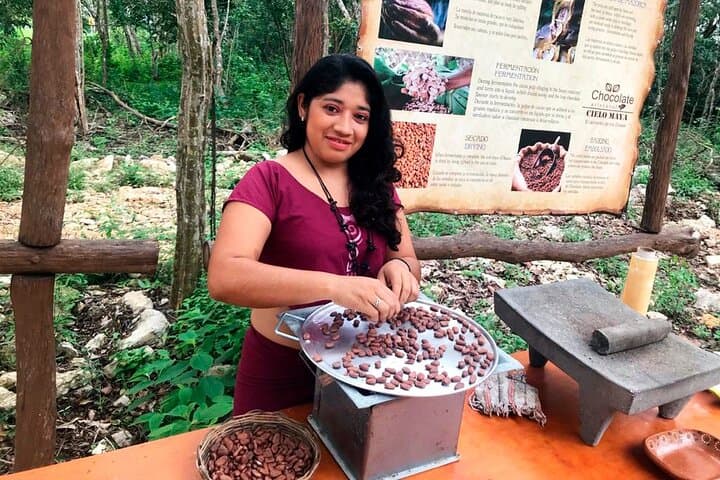
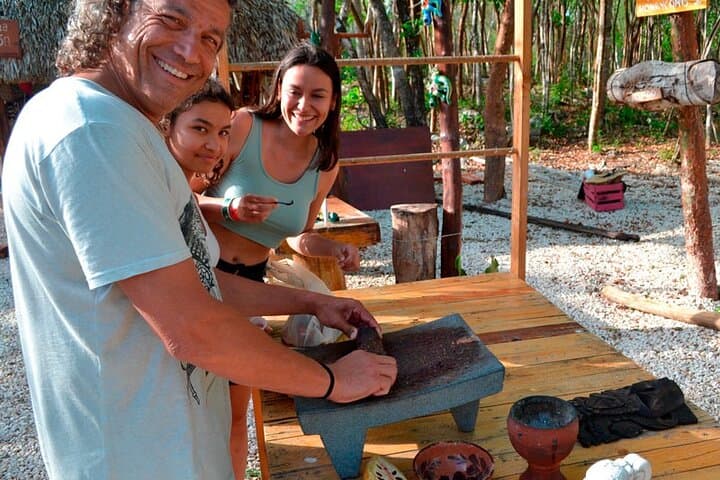
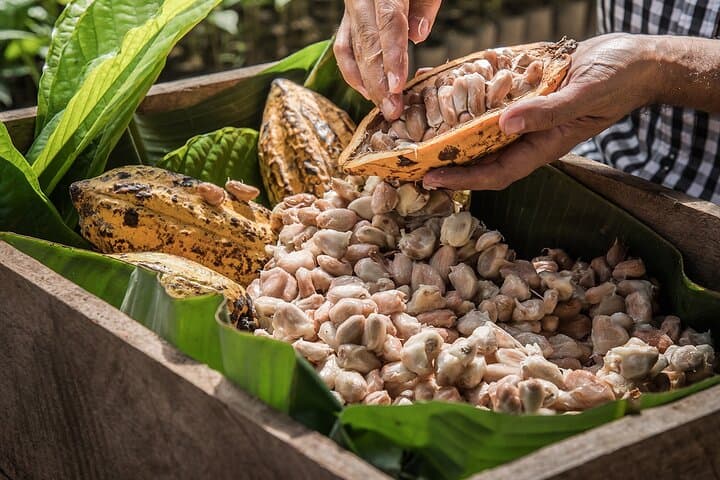
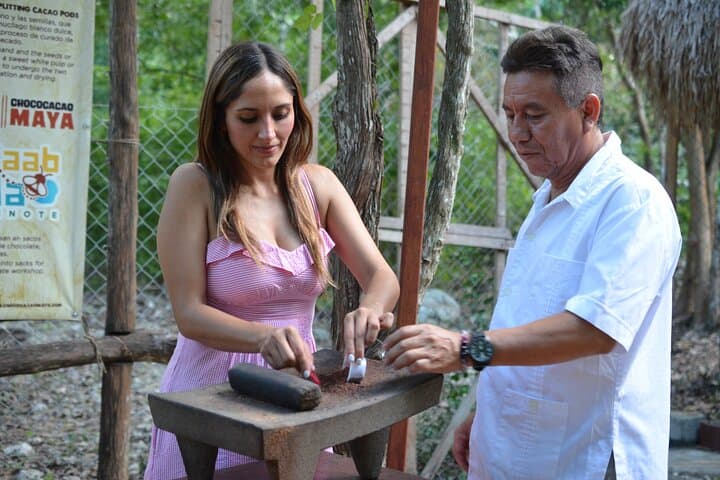
Cacao was once currency and ceremonial drink for the Maya; here you’ll see the seed’s arc from roasted shell to paste as chocolatiers demonstrate metate grinding. The Yucatán’s karst geology explains the cenote — a collapsed limestone chamber tapped into an underground aquifer — cool, clear and inviting. The sanctuary also focuses on Melipona bees, the native stingless species whose honey has a floral, medicinal reputation and whose conservation tells a story of local ecology and culture.
Expect hands-on workshops: roasting and grinding cacao, crafting a honey soap or candle, and a guided swim in the cenote to cool off. Guides emphasize gentle interaction with hives and leave-no-trace practices; the water and the bees are both fragile partners in the visit.
Practical guidance: arrive in swimwear under light clothes, bring reef-safe sunscreen, and a reusable bottle. Photography is welcomed but follow instructions around bees and ceremonies. The pace is relaxed — sensory and tactile rather than strenuous — making this a compact cultural-nature experience well suited for curious travelers.
easy.
3 hours.
Suitable for most fitness levels; involves short walks on uneven jungle paths and light standing during workshops.
Yes — most cenotes have shallow edges; guides will brief you and provide assistance, but those uncomfortable in deep water should use a life jacket if offered.
The listing notes wheelchair accessibility for many areas, but terrain at the cenote edge can vary — contact the operator about specific mobility needs and pickup points.
Yes — workshops typically let you keep a handmade soap, candle or small chocolate batch to take home.
Children are usually welcome; confirm age restrictions with the operator and supervise them around water and bees.
Cacao held ceremonial and economic importance for the Maya; local workshops revive traditional processing methods and stories tied to community livelihoods.
The sanctuary supports Melipona bee conservation and promotes reef-safe, low-waste practices to protect cenote and coastal ecosystems.
Mycancuntours operates guided outdoor trips and adventures with an emphasis on safety, stewardship, and memorable experiences.
You step off the shaded path and the jungle narrows, heat softened by a breeze that carries sugar and earth — roasted cacao, warm honey, limestone damp. The sanctuary sits in a clearing where palms and ceiba trees frame a small cenote whose water looks like polished glass. A shaman offers a short blessing to acknowledge the Mayan tradition that ties cocoa, bees and sacred water together; the tone is gentle, rooted in place.
You step off the shaded path and the jungle narrows, heat softened by a breeze that carries sugar and earth — roasted cacao, warm honey, limestone damp. The sanctuary sits in a clearing where palms and ceiba trees frame a small cenote whose water looks like polished glass. A shaman offers a short blessing to acknowledge the Mayan tradition that ties cocoa, bees and sacred water together; the tone is gentle, rooted in place.
Cacao was once currency and ceremonial drink for the Maya; here you’ll see the seed’s arc from roasted shell to paste as chocolatiers demonstrate metate grinding. The Yucatán’s karst geology explains the cenote — a collapsed limestone chamber tapped into an underground aquifer — cool, clear and inviting. The sanctuary also focuses on Melipona bees, the native stingless species whose honey has a floral, medicinal reputation and whose conservation tells a story of local ecology and culture.
Expect hands-on workshops: roasting and grinding cacao, crafting a honey soap or candle, and a guided swim in the cenote to cool off. Guides emphasize gentle interaction with hives and leave-no-trace practices; the water and the bees are both fragile partners in the visit.
Practical guidance: arrive in swimwear under light clothes, bring reef-safe sunscreen, and a reusable bottle. Photography is welcomed but follow instructions around bees and ceremonies. The pace is relaxed — sensory and tactile rather than strenuous — making this a compact cultural-nature experience well suited for curious travelers.