THE ADVENTURE COLLECTIVE® · Independent discovery and booking for outdoor travel

Spend a long, vivid day at Tulum’s cliffside ruins, swim in sacred cenotes and photograph Daniel Popper’s Madre Naturaleza sculpture. This full-day combo blends Maya history, karst geology and contemporary art with practical tips for a smooth visit.
Spend a long, vivid day at Tulum’s cliffside ruins, swim in sacred cenotes and photograph Daniel Popper’s Madre Naturaleza sculpture. This full-day combo blends Maya history, karst geology and contemporary art with practical tips for a smooth visit.
You arrive where turquoise sea and carved stone meet: the Tulum ruins sit on a low cliff, wind pushing gulls past the weathered temples while the Caribbean glints below. The ancient Maya built here with the ocean in mind; today you walk the same edge and feel the coast itself urging you to look seaward.
Verified experiences and guided adventures in the surrounding area.
Operated by Mexico Top Vacations · Tulum, Quintana Roo
You arrive where turquoise sea and carved stone meet: the Tulum ruins sit on a low cliff, wind pushing gulls past the weathered temples while the Caribbean glints below. The ancient Maya built here with the ocean in mind; today you walk the same edge and feel the coast itself urging you to look seaward.
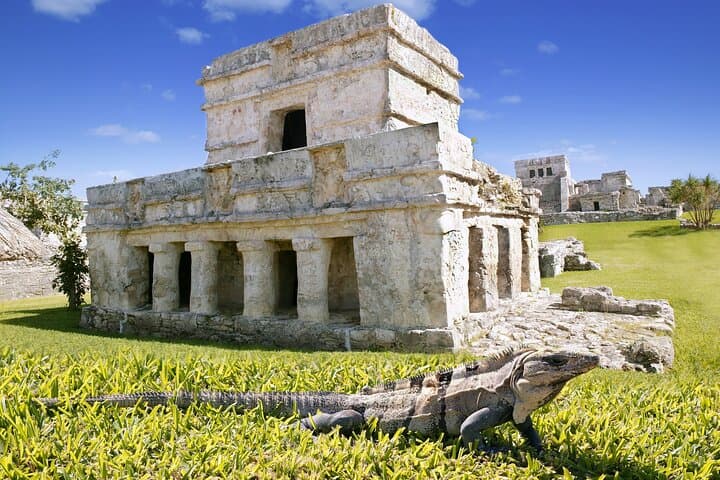
Geology and history are braided on this route. Tulum’s limestone reef created the sinkholes we call cenotes—vertical windows into an underground aquifer that have long been sacred in Maya cosmology. The ruins are a late-Postclassic coastal trading site, their stuccoed facades stripped by centuries but still readable: watch towers, temples, and stairways oriented to sea and sky. Nearby, Daniel Popper’s Madre Naturaleza (“Ven a la luz”) folds a modern, massive wooden figure into the jungle — a contemporary pause in a landscape of ancient ritual.
Practical guidance follows: this is a full-day excursion (roughly 13–15 hours) combining guided ruins time, multiple cenote swims, and a lunch break. Expect uneven stone at the archaeological site, wet rock and short ladders at cenotes, and bright sun between trees. Guides typically provide life vests for cenotes; bring reef-safe sunscreen, a swim layer, and a camera with a fast lens for sculpture and cliffside views. Hydrate before and during the day; the combination of heat, walking, and swimming makes it deceptively tiring. Timing your photos for morning or late afternoon softens harsh light and reduces crowds at the ruins.
This tour mixes history, geology and contemporary art into one long, sensory day—where the sea, the sinkholes and the sculptures all seem to invite you to step closer.
moderate.
13–15 hours.
Good baseline endurance; able to walk on uneven ground, climb short ladders and swim in open water.
Yes—guides normally supply life vests for cenote swimming; bring your own if you prefer a specific fit.
Expect roughly 90 minutes to explore the archaeological zone with a certified guide included in the tour.
The tour is marketed as accessible for most fitness levels, but it’s not recommended for people with serious back, heart issues or pregnant travelers; children must be supervised in water.
Photography is allowed at the ruins and sculpture; be mindful of signage and respect restricted areas—underwater photos in cenotes are common but bring proper waterproof protection.
Tulum was an important late-Postclassic Maya trading port with structures aligned to maritime trade routes; cenotes nearby were ritual water sources long revered in Maya belief.
The region balances tourism and fragile karst ecosystems—use reef-safe products, avoid single-use plastics, and stay on marked paths to protect cenote entrances and mangroves.
Mexico Top Vacations operates guided outdoor trips and adventures with an emphasis on safety, stewardship, and memorable experiences.
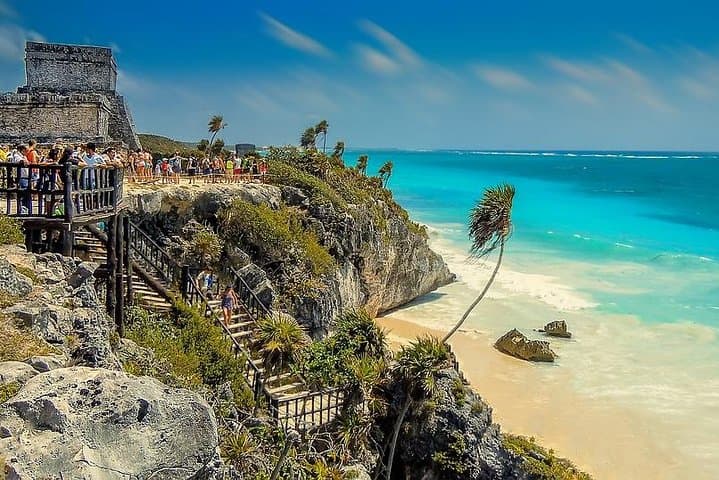
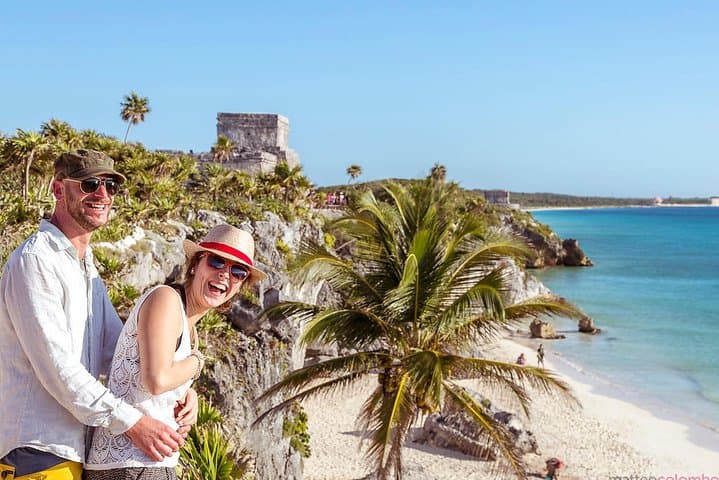
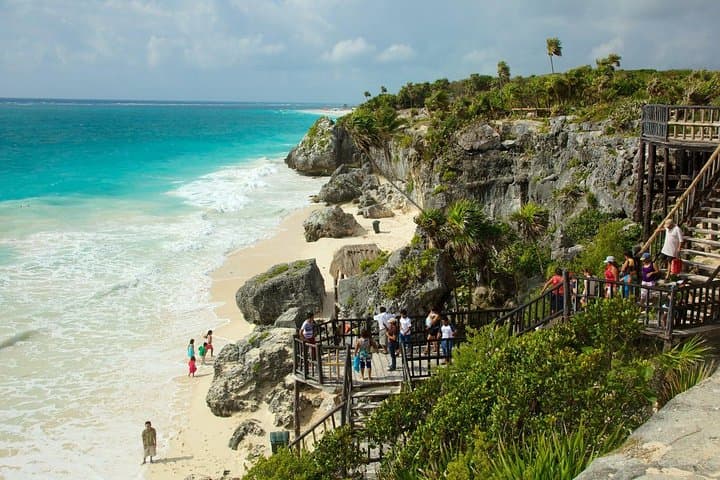
You arrive where turquoise sea and carved stone meet: the Tulum ruins sit on a low cliff, wind pushing gulls past the weathered temples while the Caribbean glints below. The ancient Maya built here with the ocean in mind; today you walk the same edge and feel the coast itself urging you to look seaward.
You arrive where turquoise sea and carved stone meet: the Tulum ruins sit on a low cliff, wind pushing gulls past the weathered temples while the Caribbean glints below. The ancient Maya built here with the ocean in mind; today you walk the same edge and feel the coast itself urging you to look seaward.
Geology and history are braided on this route. Tulum’s limestone reef created the sinkholes we call cenotes—vertical windows into an underground aquifer that have long been sacred in Maya cosmology. The ruins are a late-Postclassic coastal trading site, their stuccoed facades stripped by centuries but still readable: watch towers, temples, and stairways oriented to sea and sky. Nearby, Daniel Popper’s Madre Naturaleza (“Ven a la luz”) folds a modern, massive wooden figure into the jungle — a contemporary pause in a landscape of ancient ritual.
Practical guidance follows: this is a full-day excursion (roughly 13–15 hours) combining guided ruins time, multiple cenote swims, and a lunch break. Expect uneven stone at the archaeological site, wet rock and short ladders at cenotes, and bright sun between trees. Guides typically provide life vests for cenotes; bring reef-safe sunscreen, a swim layer, and a camera with a fast lens for sculpture and cliffside views. Hydrate before and during the day; the combination of heat, walking, and swimming makes it deceptively tiring. Timing your photos for morning or late afternoon softens harsh light and reduces crowds at the ruins.
This tour mixes history, geology and contemporary art into one long, sensory day—where the sea, the sinkholes and the sculptures all seem to invite you to step closer.