THE ADVENTURE COLLECTIVE® · Independent discovery and booking for outdoor travel

Spend a day between Tulum’s cliff-top ruins and jade-blue cenotes: choose a self-guided ruins visit or time in a Mayan village, then swim through cavern and open cenotes before a Mayan lunch. Practical tips and local context help you plan the perfect day.
Spend a day between Tulum’s cliff-top ruins and jade-blue cenotes: choose a self-guided ruins visit or time in a Mayan village, then swim through cavern and open cenotes before a Mayan lunch. Practical tips and local context help you plan the perfect day.
A warm breeze off the Caribbean carries the smell of salt and earth as the bus pulls into the parking lot by Tulum. You step out, briefed by a local guide, then choose your first rhythm: a self-guided walk through the cliff-top Mayan ruins or a stroll through a nearby Mayan community where artisans sell woven goods and hand-painted wares.
Verified experiences and guided adventures in the surrounding area.
Operated by Cancun Travel Experience · Tulum, Quintana Roo
A warm breeze off the Caribbean carries the smell of salt and earth as the bus pulls into the parking lot by Tulum. You step out, briefed by a local guide, then choose your first rhythm: a self-guided walk through the cliff-top Mayan ruins or a stroll through a nearby Mayan community where artisans sell woven goods and hand-painted wares.
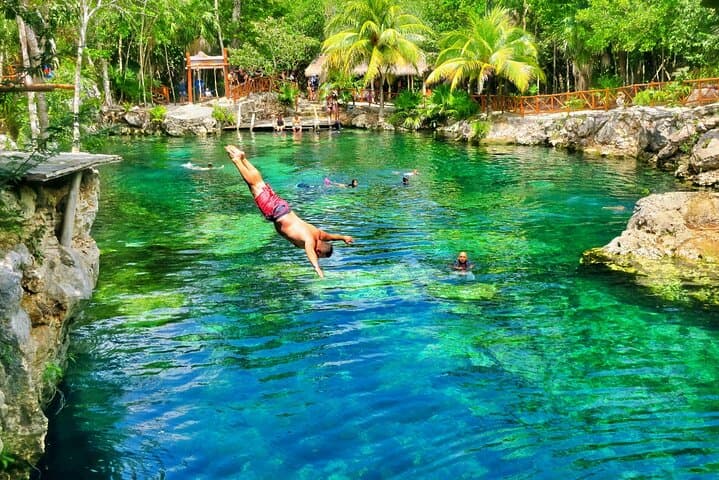
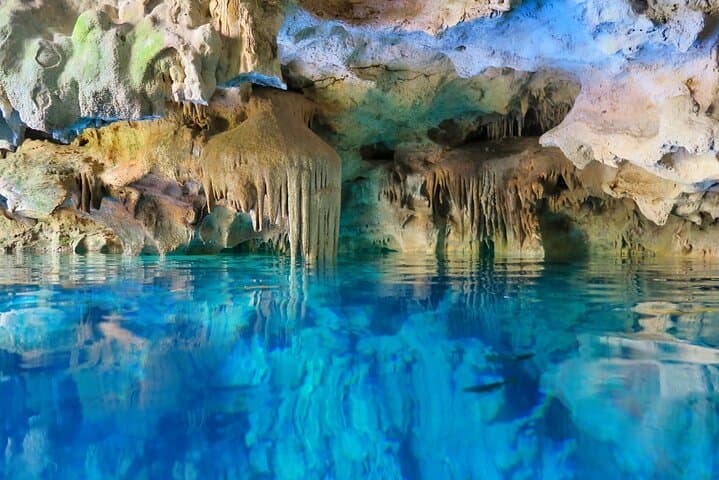
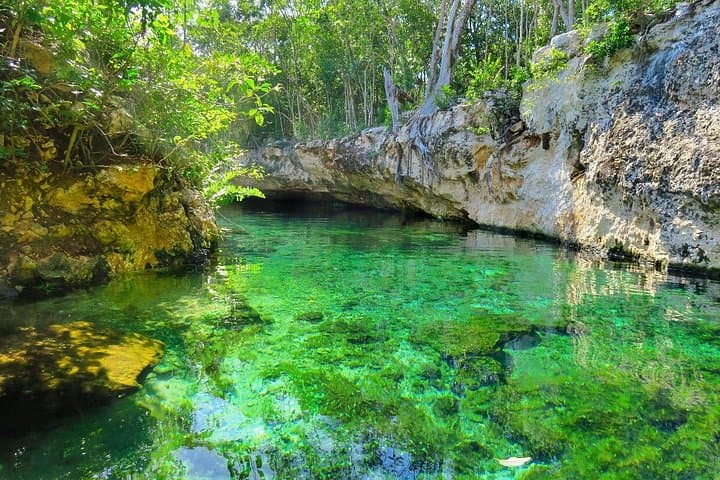
The limestone coast here is young in geological time — porous limestone carved by rain and sea to form cenotes: cavernous turquoise pools and open sinkholes fed by an underground river. These cenotes range from low-light caverns to broad open basins; their clarity makes them natural aquariums where snorkel masks reveal submerged rock formations and limestone stalactites.
Culturally, Tulum was a coastal port for the Postclassic Maya, and visiting a local community offers a living counterpoint to the ruins: contemporary Mayan families selling food and crafts, and sharing stories about the land. The tour typically includes a guided swim/snorkel session in a selected cenote and a Mexican–Mayan lunch.
Practical guidance: plan for about seven hours total, expect short stair descents at cenotes and 0–50 vertical meters of stairs. Bring reef-safe sunscreen, a towel, and water; snorkeling equipment is usually provided but a personal mask fits better. Arrive early to avoid mid-day crowds and fragile light in caverns. Cash is useful for small purchases in community markets. If you have mobility issues, note some sites have uneven stone paths and steps; follow your guide’s safety briefings and respect posted rules to protect the water and archaeological zones.
easy.
7 hours.
Suitable for most fitness levels; ability to climb short staircases and basic swimming comfort recommended.
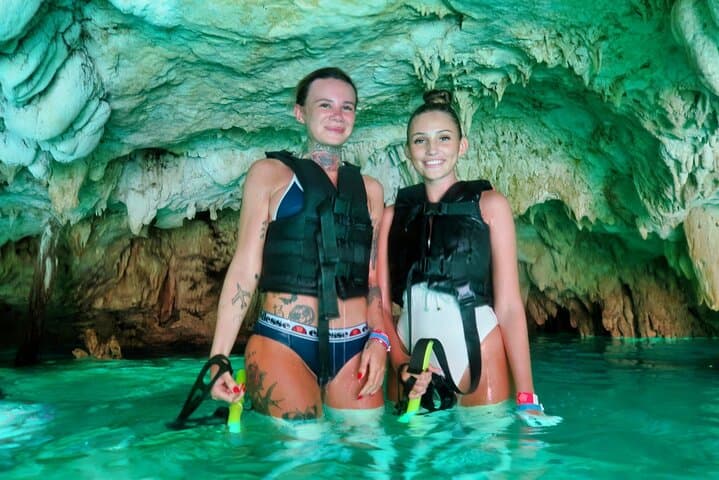
Yes; many cenotes are shallow near the edges and tour operators provide snorkeling gear and life vests on request.
Hotel pickup is offered from most hotels if purchased; confirm pickup at least 24 hours in advance with the operator.
Yes — upon arrival you choose either a self‑guided visit to the archaeological site or time shopping in the local Mayan village.
The tour is not recommended for pregnant travelers or those with spinal or significant heart conditions due to stairs and swimming activities.
Tulum was a Postclassic Maya port city that controlled maritime trade routes; its seaside ruins offer direct views of the trade corridor along the Caribbean coast.
Cenotes are fed by groundwater; avoid soaps and non‑reef‑safe sunscreens, and support local guides who follow established visitor limits to protect fragile ecosystems.
Cancun Travel Experience operates guided outdoor trips and adventures with an emphasis on safety, stewardship, and memorable experiences.
A warm breeze off the Caribbean carries the smell of salt and earth as the bus pulls into the parking lot by Tulum. You step out, briefed by a local guide, then choose your first rhythm: a self-guided walk through the cliff-top Mayan ruins or a stroll through a nearby Mayan community where artisans sell woven goods and hand-painted wares.
A warm breeze off the Caribbean carries the smell of salt and earth as the bus pulls into the parking lot by Tulum. You step out, briefed by a local guide, then choose your first rhythm: a self-guided walk through the cliff-top Mayan ruins or a stroll through a nearby Mayan community where artisans sell woven goods and hand-painted wares.
The limestone coast here is young in geological time — porous limestone carved by rain and sea to form cenotes: cavernous turquoise pools and open sinkholes fed by an underground river. These cenotes range from low-light caverns to broad open basins; their clarity makes them natural aquariums where snorkel masks reveal submerged rock formations and limestone stalactites.
Culturally, Tulum was a coastal port for the Postclassic Maya, and visiting a local community offers a living counterpoint to the ruins: contemporary Mayan families selling food and crafts, and sharing stories about the land. The tour typically includes a guided swim/snorkel session in a selected cenote and a Mexican–Mayan lunch.
Practical guidance: plan for about seven hours total, expect short stair descents at cenotes and 0–50 vertical meters of stairs. Bring reef-safe sunscreen, a towel, and water; snorkeling equipment is usually provided but a personal mask fits better. Arrive early to avoid mid-day crowds and fragile light in caverns. Cash is useful for small purchases in community markets. If you have mobility issues, note some sites have uneven stone paths and steps; follow your guide’s safety briefings and respect posted rules to protect the water and archaeological zones.