THE ADVENTURE COLLECTIVE® · Independent discovery and booking for outdoor travel

Swap the beachfront for underground blue—this full-day Tulum tour pairs the iconic Tulum letters with three distinct cenotes, from a family-friendly pool to a dramatic deep shaft with a jumping platform. Practical routing and local insights make it ideal for photographers and active travelers.
Swap the beachfront for underground blue—this full-day Tulum tour pairs the iconic Tulum letters with three distinct cenotes, from a family-friendly pool to a dramatic deep shaft with a jumping platform. Practical routing and local insights make it ideal for photographers and active travelers.
Standing on warm sand in front of the colorful Tulum letters, the Caribbean wind pulls at your shirt and the jungle behind you keeps its hush. The tour moves quickly from that iconic shoreline frame into a different world—limestone sinkholes punched through by underground rivers, shafts of light that turn water glass-blue, and a jungle that presses close enough to hear birds argue.
Verified experiences and guided adventures in the surrounding area.
Operated by Pata de peek travel · Tulum, Quintana Roo
Standing on warm sand in front of the colorful Tulum letters, the Caribbean wind pulls at your shirt and the jungle behind you keeps its hush. The tour moves quickly from that iconic shoreline frame into a different world—limestone sinkholes punched through by underground rivers, shafts of light that turn water glass-blue, and a jungle that presses close enough to hear birds argue.
These cenotes are part of the Yucatán’s karst landscape: porous limestone carved by water over millennia to create collapsed caverns and deep vertical wells. The Maya treated many cenotes as gateways—sources of freshwater and places of ritual—which is visible in scattered ruins and the cultural significance locals still attach to them.
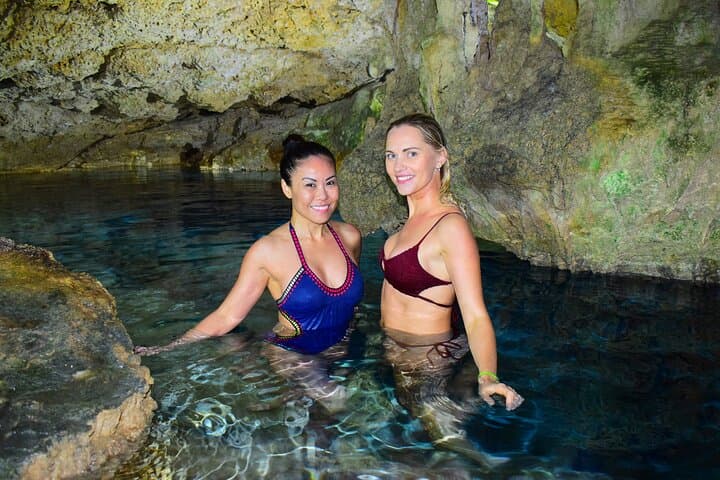
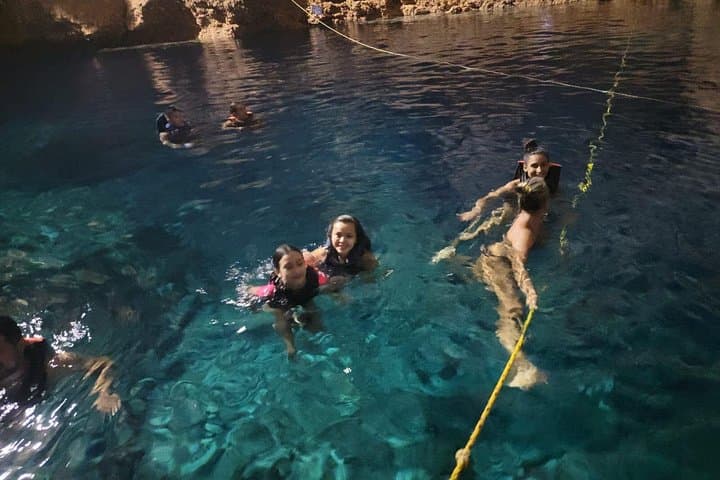
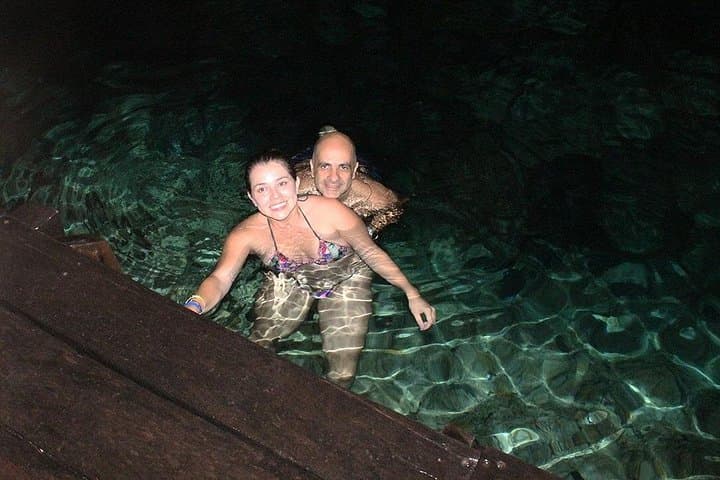
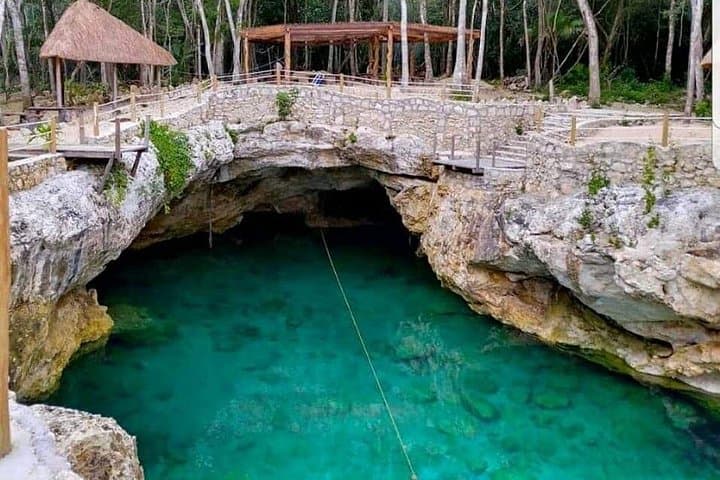
Expect a sequence of contrasts: a photographed beachfront landmark, a tidy, swimmable cenote with ladders and platforms, a dramatic deep cenote where light pools like a spotlight, and a jungle-ringed sinkhole with a jumping platform. Wildlife is low-key but present—iguanas sun on rocks, wading birds quarter shallow edges, and small fish trace your shadow.
Practically, this is a long, full-day route (roughly 11–12 hours including transfers). Wear a quick-dry swimsuit under light clothes, use biodegradable sunscreen and insect repellent, and carry a waterproof phone pouch for photos. Water, cash for lockers or snacks, and a towel matter more than fancy gear.
Timing matters: go early to avoid crowds at the Tulum letters and later in the day for calmer cenote swims. Respect posted rules—many cenotes are fragile ecosystems—so rinse off sunscreens and avoid soaps. The day blends photography, gentle adventure, and a practical immersion into the geology and history of the Riviera Maya.
moderate.
11–12 hours.
Comfortable for most travelers with basic mobility; involves walking, short climbs, and swimming.
Yes; this tour includes entrance fees to the listed cenotes and basic site access; lockers or extra activities may cost more.
Basic swimming comfort is recommended—most cenotes have shallow edges but some areas plunge deep; life vests are usually available.
Families with children are common; minors should be supervised around deep water and jumping platforms, and check age or height restrictions for certain activities.
The tour runs about 11–12 hours and includes hotel pickup and drop-off within the Riviera Maya zone per the operator’s details.
Cenotes supplied freshwater to the Maya and often served ritual roles; the region around Tulum links coastal trading posts to inland sacred water sources.
Visitors are asked to use biodegradable products, avoid littering, and follow site rules to protect delicate karst hydrology and freshwater fauna.
Pata de peek travel operates guided outdoor trips and adventures with an emphasis on safety, stewardship, and memorable experiences.
Standing on warm sand in front of the colorful Tulum letters, the Caribbean wind pulls at your shirt and the jungle behind you keeps its hush. The tour moves quickly from that iconic shoreline frame into a different world—limestone sinkholes punched through by underground rivers, shafts of light that turn water glass-blue, and a jungle that presses close enough to hear birds argue.
Standing on warm sand in front of the colorful Tulum letters, the Caribbean wind pulls at your shirt and the jungle behind you keeps its hush. The tour moves quickly from that iconic shoreline frame into a different world—limestone sinkholes punched through by underground rivers, shafts of light that turn water glass-blue, and a jungle that presses close enough to hear birds argue.
These cenotes are part of the Yucatán’s karst landscape: porous limestone carved by water over millennia to create collapsed caverns and deep vertical wells. The Maya treated many cenotes as gateways—sources of freshwater and places of ritual—which is visible in scattered ruins and the cultural significance locals still attach to them.
Expect a sequence of contrasts: a photographed beachfront landmark, a tidy, swimmable cenote with ladders and platforms, a dramatic deep cenote where light pools like a spotlight, and a jungle-ringed sinkhole with a jumping platform. Wildlife is low-key but present—iguanas sun on rocks, wading birds quarter shallow edges, and small fish trace your shadow.
Practically, this is a long, full-day route (roughly 11–12 hours including transfers). Wear a quick-dry swimsuit under light clothes, use biodegradable sunscreen and insect repellent, and carry a waterproof phone pouch for photos. Water, cash for lockers or snacks, and a towel matter more than fancy gear.
Timing matters: go early to avoid crowds at the Tulum letters and later in the day for calmer cenote swims. Respect posted rules—many cenotes are fragile ecosystems—so rinse off sunscreens and avoid soaps. The day blends photography, gentle adventure, and a practical immersion into the geology and history of the Riviera Maya.