THE ADVENTURE COLLECTIVE® · Independent discovery and booking for outdoor travel

Float beneath cathedral-like shafts of light, kayak mangrove channels and snorkel through underground caverns on a private, full-day tour of six diverse cenotes around Tulum. This guide outlines what to expect, how the cenotes formed, and practical tips to plan your visit.
Float beneath cathedral-like shafts of light, kayak mangrove channels and snorkel through underground caverns on a private, full-day tour of six diverse cenotes around Tulum. This guide outlines what to expect, how the cenotes formed, and practical tips to plan your visit.
You step off the shaded truck into a pocket of humid air and the forest seems to lean in, watching. Light slices through the canopy onto water so clear you can count fish scales as they flick beneath you. Over the next eight hours this private route peels back different faces of the Yucatán karst: yawning cavern cenotes, bright open sinkholes rimmed with jungle, and a brackish mangrove-fed lagoon where freshwater and the Caribbean trade places.
Verified experiences and guided adventures in the surrounding area.
Operated by Vibe Adventures · Tulum, Quintana Roo
You step off the shaded truck into a pocket of humid air and the forest seems to lean in, watching. Light slices through the canopy onto water so clear you can count fish scales as they flick beneath you. Over the next eight hours this private route peels back different faces of the Yucatán karst: yawning cavern cenotes, bright open sinkholes rimmed with jungle, and a brackish mangrove-fed lagoon where freshwater and the Caribbean trade places.
Cenotes are the Yucatán’s hidden plumbing. Formed when limestone collapsed and opened conduits to the underground aquifer, they were lifelines for Maya communities and remained sacred sites for ritual and water collection. Geologically, the region is pure karst—permeable limestone riddled with rivers that run below your feet. That geology gives these pools dramatic features: stalactites quilting caves, photogenic light shafts in semi-open pits, and the green halo of mangroves at Casa Cenote where fresh springs meet tidal water.
Local guides here aren’t just hosts; they’re translators of place—pointing out howler monkeys a branch away, explaining why some fish are freshwater while others carry a saltwater ancestry, and describing how cenotes shaped pre-Hispanic settlement. Small communities around Tulum still fish, farm, and guard these sites, and you’ll stop for a taco buffet that tastes like the same coastal food that’s been made here for generations.
Practically, the tour is active but approachable. Expect about 6–8 hours with multiple short hikes between sites and three main stops where you can swim, snorkel, and kayak. Your guide handles permits and parking; you provide energy. Footwear with traction matters—the limestone paths get slick with algae—and a quality snorkel mask makes underwater formations sing. Hydration is essential: humidity hides how much you sweat. Cameras with waterproof housings or a small action camera work best; phone shots through water often disappoint.
Conservation is visible and enforced: guides will ask you to use reef-safe sunscreen or rinse it off, and to avoid touching delicate formations. The tour’s flexible private format means you can linger where you love—float beneath a beam of light or paddle a mangrove channel—but be mindful of wildlife and local customs.
By late afternoon, when the light softens and the pools cool, the day feels like a careful conversation with water—quiet, revealing, and insistently present. If you want a single-day primer on Tulum’s underground world, this curated circuit of six cenotes gives you technical variety, cultural context, and the kind of clear-water moments that make you rethink what a lake can be.
moderate.
6–8 hours.
Suitable for travelers in light to moderate fitness—expect short hikes, swimming, and kayaking; basic stamina and buoyancy are required.
Short answer: limited. Some stops require basic swimming or floating; life jackets are provided but non-swimmers should discuss options with the operator ahead of booking.
Guides typically provide basic snorkel gear and flotation devices, but bringing your own mask ensures fit and clearer vision.
The private tour covers up to six cenotes and related sites including Kaan Luum lagoon; total duration is roughly eight hours including transport and meals.
Yes—private bookings are flexible and can be adjusted in advance; small-group options follow a fixed schedule.
Most official cenotes and Kaan Luum have basic changing areas and restrooms, but amenities vary by site—bring small cash for entrance or facilities not included.
Yes for older children comfortable in water; infants must sit on laps and the operator notes limitations for travelers with heart issues.
Cenotes were central to Maya life—both water source and sacred places for offerings—and many communities around Tulum still honor those traditions.
Visitors are asked to use reef-safe products, avoid touching formations, and minimize plastic; guides collaborate with local groups to protect aquifer quality.
Vibe Adventures operates guided outdoor trips and adventures with an emphasis on safety, stewardship, and memorable experiences.
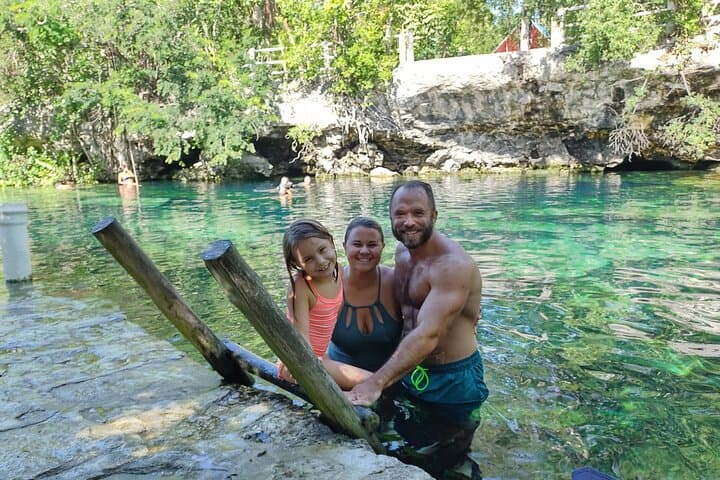
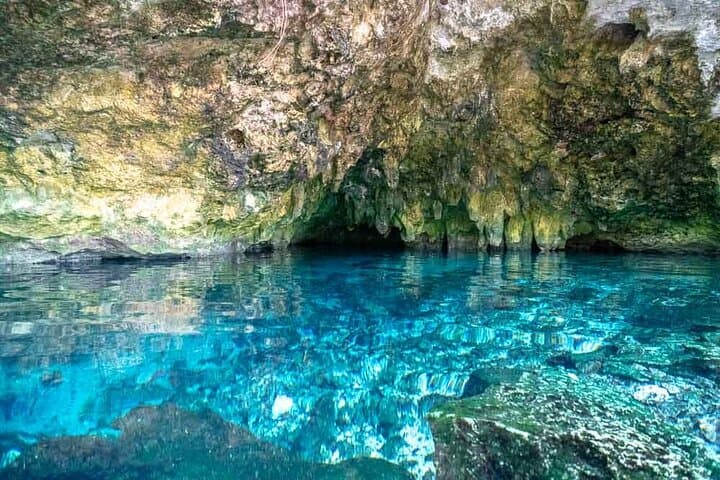
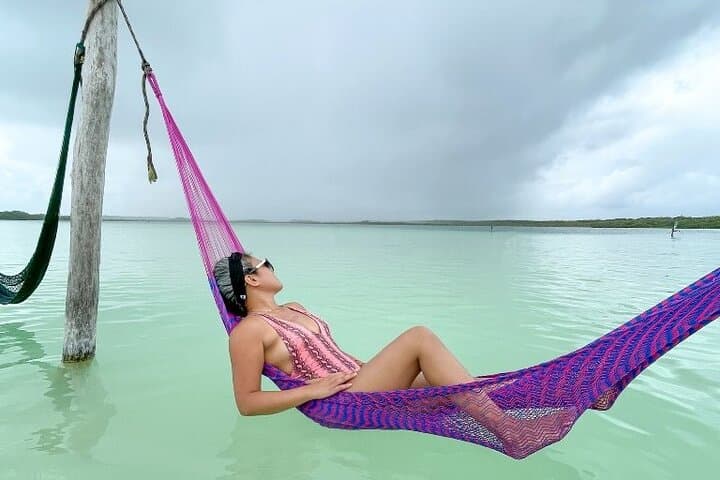
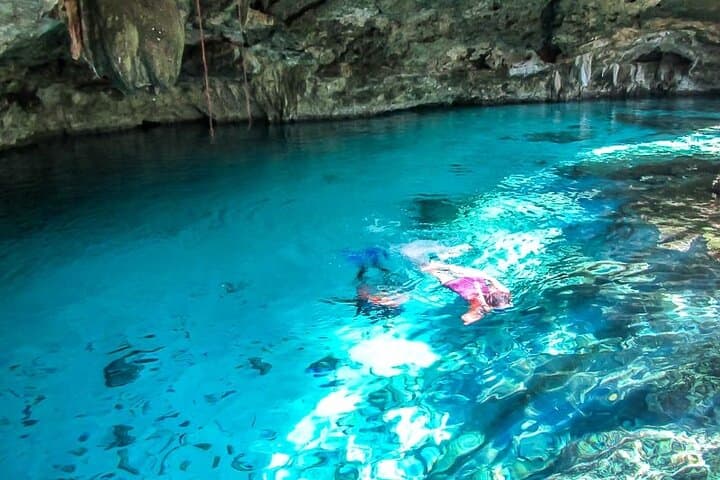
You step off the shaded truck into a pocket of humid air and the forest seems to lean in, watching. Light slices through the canopy onto water so clear you can count fish scales as they flick beneath you. Over the next eight hours this private route peels back different faces of the Yucatán karst: yawning cavern cenotes, bright open sinkholes rimmed with jungle, and a brackish mangrove-fed lagoon where freshwater and the Caribbean trade places.
You step off the shaded truck into a pocket of humid air and the forest seems to lean in, watching. Light slices through the canopy onto water so clear you can count fish scales as they flick beneath you. Over the next eight hours this private route peels back different faces of the Yucatán karst: yawning cavern cenotes, bright open sinkholes rimmed with jungle, and a brackish mangrove-fed lagoon where freshwater and the Caribbean trade places.
Cenotes are the Yucatán’s hidden plumbing. Formed when limestone collapsed and opened conduits to the underground aquifer, they were lifelines for Maya communities and remained sacred sites for ritual and water collection. Geologically, the region is pure karst—permeable limestone riddled with rivers that run below your feet. That geology gives these pools dramatic features: stalactites quilting caves, photogenic light shafts in semi-open pits, and the green halo of mangroves at Casa Cenote where fresh springs meet tidal water.
Local guides here aren’t just hosts; they’re translators of place—pointing out howler monkeys a branch away, explaining why some fish are freshwater while others carry a saltwater ancestry, and describing how cenotes shaped pre-Hispanic settlement. Small communities around Tulum still fish, farm, and guard these sites, and you’ll stop for a taco buffet that tastes like the same coastal food that’s been made here for generations.
Practically, the tour is active but approachable. Expect about 6–8 hours with multiple short hikes between sites and three main stops where you can swim, snorkel, and kayak. Your guide handles permits and parking; you provide energy. Footwear with traction matters—the limestone paths get slick with algae—and a quality snorkel mask makes underwater formations sing. Hydration is essential: humidity hides how much you sweat. Cameras with waterproof housings or a small action camera work best; phone shots through water often disappoint.
Conservation is visible and enforced: guides will ask you to use reef-safe sunscreen or rinse it off, and to avoid touching delicate formations. The tour’s flexible private format means you can linger where you love—float beneath a beam of light or paddle a mangrove channel—but be mindful of wildlife and local customs.
By late afternoon, when the light softens and the pools cool, the day feels like a careful conversation with water—quiet, revealing, and insistently present. If you want a single-day primer on Tulum’s underground world, this curated circuit of six cenotes gives you technical variety, cultural context, and the kind of clear-water moments that make you rethink what a lake can be.