THE ADVENTURE COLLECTIVE® · Independent discovery and booking for outdoor travel

Swim with sea turtles, explore cliffside Maya ruins, and cool off in a sacred cenote on this half-day Riviera Maya tour. Practical gear advice and local context to help you plan the day.
Swim with sea turtles, explore cliffside Maya ruins, and cool off in a sacred cenote on this half-day Riviera Maya tour. Practical gear advice and local context to help you plan the day.
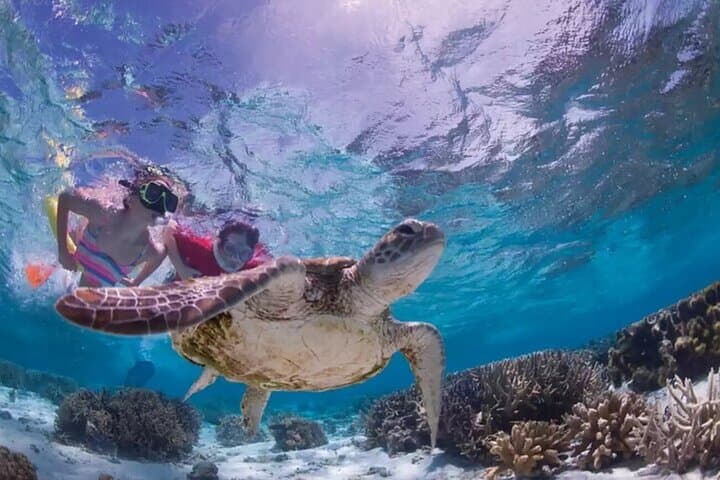
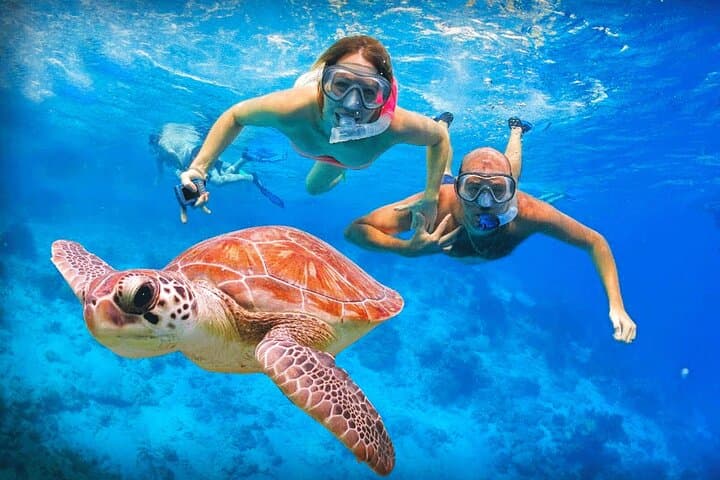
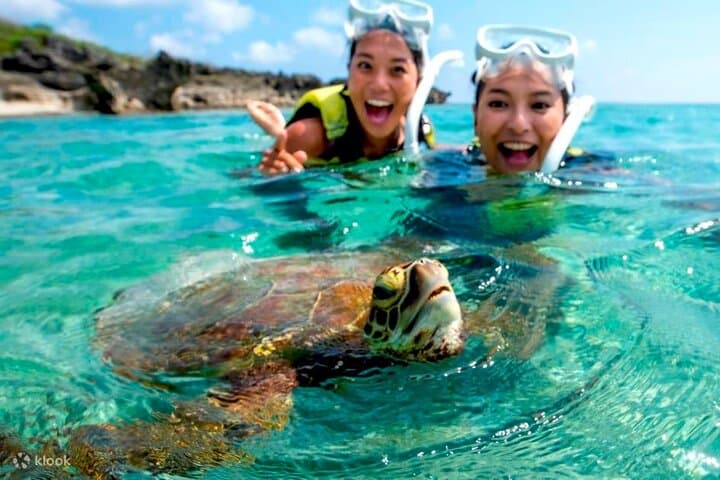
You step off an air-conditioned van into the salt-bright air of the Riviera Maya, the coastline humming behind you while a guide points toward a sweep of turquoise where turtles move like slow thoughts.
Verified experiences and guided adventures in the surrounding area.
Operated by Adrenaline · Tulum, Quintana Roo
You step off an air-conditioned van into the salt-bright air of the Riviera Maya, the coastline humming behind you while a guide points toward a sweep of turquoise where turtles move like slow thoughts.
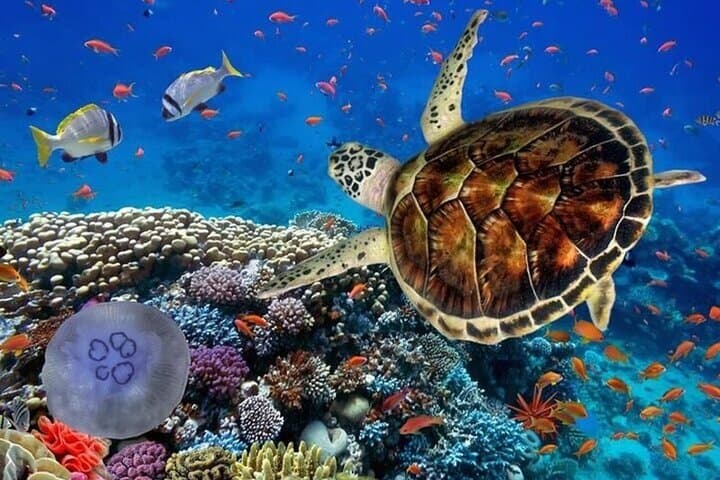
The morning moves in chapters: a guided snorkel in protected coastal waters where green turtles graze on seagrass, a short drive to the low limestone bluff of the Tulum archaeological site to walk among stone temples facing the sea, then into the cool hush of Cenote Nohoch for a swim in clear, freshwater caverns carved through karst limestone.
This coastline belongs to the Yucatán carbonate platform—limestone underfoot, sinkholes and caverns formed where groundwater dissolved the bedrock. Tulum’s ruins date to a late-postclassic Maya trading center, a place where sailors once navigated by stars and shoreline. Cenotes are culturally significant too: freshwater portals once used for ritual and daily life.
Practical notes: the tour typically supplies snorkeling equipment, bottled water and snacks, and includes short guided walks over uneven stone and stairs. Wear reef‑safe sunscreen and a lightweight cover-up; water shoes with grip help at rocky entry points. Bring a quick-dry towel, a small dry bag for valuables, and a charged phone for photos.
Timing matters—mornings often have calmer seas and cooler cenote waters. Respect local guides and turtle sanctuaries: keep distance, float calmly, and avoid touching wildlife. The route mixes easy swims with short hikes and steps—rewarding, sensory, and rooted in the geology and history that make this stretch of Quintana Roo singular.
moderate.
5 hours.
Light to moderate fitness; comfortable swimming for short periods and walking on uneven paths and stairs.
Basic swimming comfort is required for snorkeling and cenote swims; guides stay nearby and provide flotation if needed.
Most small‑group tours include snorkel gear, but confirm fit and hygiene with the operator before departure.
Inclusions vary by operator; many tours include cenote admission and gear but may not include archaeological site fees—check booking details.
No—touching wildlife and cave formations is discouraged or prohibited to protect animals and fragile geology; keep a respectful distance.
Tulum was a late‑postclassic Maya port built on limestone cliffs, an important trade and navigation site that traded marine products along the Caribbean coast.
The region relies on responsible tourism; use reef‑safe products, avoid single‑use plastics, and follow guide instructions to minimize impact on turtles and cenotes.
Adrenaline operates guided outdoor trips and adventures with an emphasis on safety, stewardship, and memorable experiences.
You step off an air-conditioned van into the salt-bright air of the Riviera Maya, the coastline humming behind you while a guide points toward a sweep of turquoise where turtles move like slow thoughts.
You step off an air-conditioned van into the salt-bright air of the Riviera Maya, the coastline humming behind you while a guide points toward a sweep of turquoise where turtles move like slow thoughts.
The morning moves in chapters: a guided snorkel in protected coastal waters where green turtles graze on seagrass, a short drive to the low limestone bluff of the Tulum archaeological site to walk among stone temples facing the sea, then into the cool hush of Cenote Nohoch for a swim in clear, freshwater caverns carved through karst limestone.
This coastline belongs to the Yucatán carbonate platform—limestone underfoot, sinkholes and caverns formed where groundwater dissolved the bedrock. Tulum’s ruins date to a late-postclassic Maya trading center, a place where sailors once navigated by stars and shoreline. Cenotes are culturally significant too: freshwater portals once used for ritual and daily life.
Practical notes: the tour typically supplies snorkeling equipment, bottled water and snacks, and includes short guided walks over uneven stone and stairs. Wear reef‑safe sunscreen and a lightweight cover-up; water shoes with grip help at rocky entry points. Bring a quick-dry towel, a small dry bag for valuables, and a charged phone for photos.
Timing matters—mornings often have calmer seas and cooler cenote waters. Respect local guides and turtle sanctuaries: keep distance, float calmly, and avoid touching wildlife. The route mixes easy swims with short hikes and steps—rewarding, sensory, and rooted in the geology and history that make this stretch of Quintana Roo singular.