
Tulum, Cenote & Playa del Carmen: Day Tour to Ruins, Swim & Quinta Avenida
Spend a day walking clifftop Mayan ruins, swimming in an open cenote carved through limestone, and wandering Playa del Carmen’s lively Quinta Avenida. This guided tour pairs natural geology, coastal history, and local flavor in a single six‑hour loop.
An Adventure In Playa del Carmen.
Spend a day walking clifftop Mayan ruins, swimming in an open cenote carved through limestone, and wandering Playa del Carmen’s lively Quinta Avenida. This guided tour pairs natural geology, coastal history, and local flavor in a single six‑hour loop.
Read the full experience
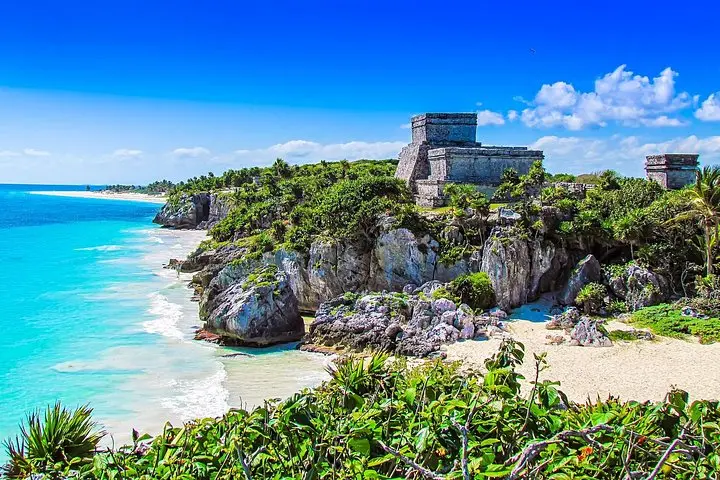
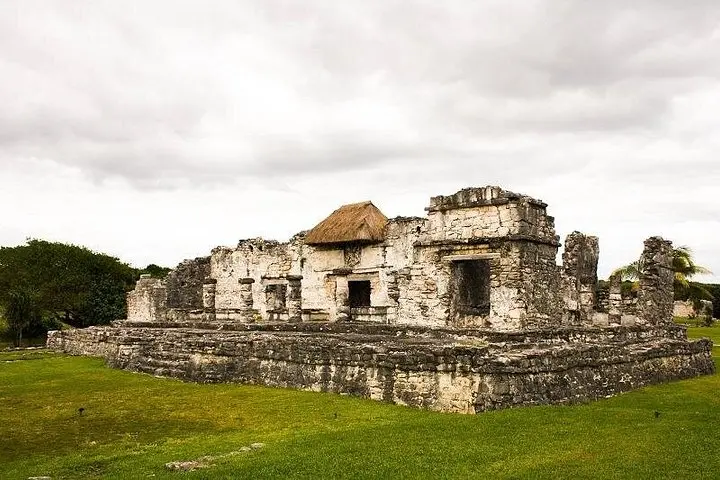
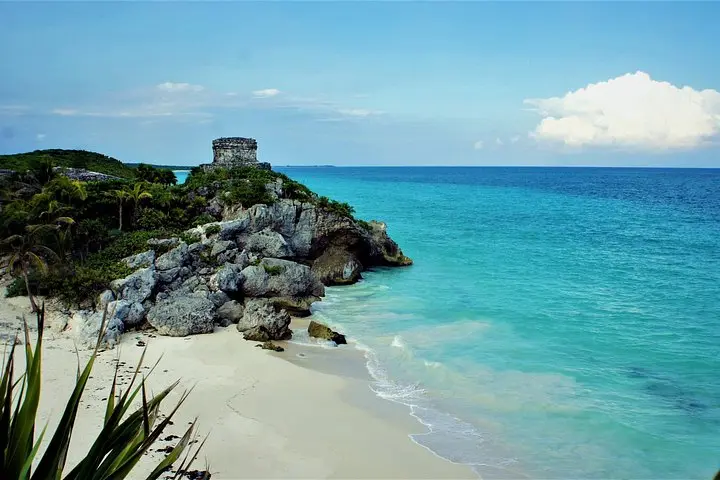
You arrive to Tulum with the Caribbean wind hitting the cliff-edge wall first; gulls wheel and the turquoise sea spreads below like an active postcard. The ruins are compact—stone temples and a small castle that sit where reef meets shore—and the site’s exposure means sea breezes and open sightlines rather than dense jungle shade.
You arrive to Tulum with the Caribbean wind hitting the cliff-edge wall first; gulls wheel and the turquoise sea spreads below like an active postcard. The ruins are compact—stone temples and a small castle that sit where reef meets shore—and the site’s exposure means sea breezes and open sightlines rather than dense jungle shade.
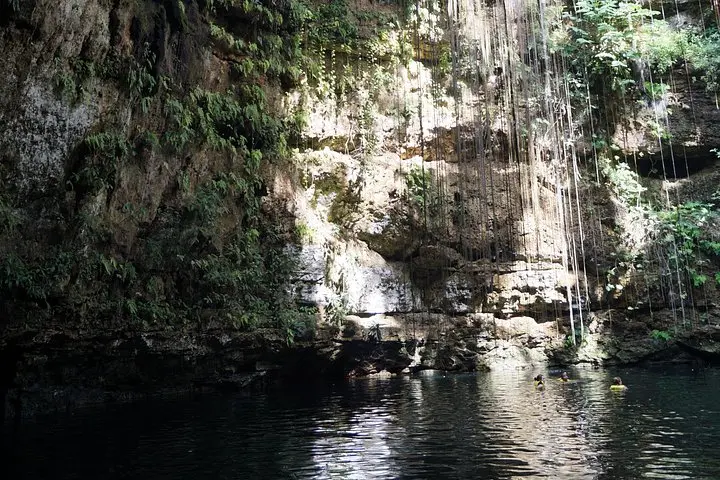
Tulum is a late-Postclassic Maya coastal stronghold, built to control maritime trade and rituals tied to the sea. The cenote that follows on this route is carved from the Yucatán’s limestone: an open sinkhole fed by an underground river system that still runs through miles of mapped caverns. Playa del Carmen’s Quinta Avenida closes the day with a different rhythm—pedestrian shopping, street vendors, and beach access a short block away.
Expect short walks on packed sand and stone, a swim in clear, fresh cenote water (bring biodegradable sunscreen), and about six hours of guided movement between stops with round-trip A/C transport. Guides will touch on Mayan history, local geology, and modern coastal life.
Practical details: wear quick-dry clothing and sturdy sandals or walking shoes, carry a towel and a small dry bag for valuables, and bring cash for small vendors and tips. Morning departures avoid mid-day heat and the biggest crowds at Tulum; late afternoon light is best for photos but can be busier. Respect posted rules at the archaeological zone and avoid entering cenotes with sunscreen residue—local conservation depends on visitor behavior.
Frequently asked questions
Most operators ask you to bring your own swimsuit and towel; check the booking details but pack them to be safe.
The tour is rated easy and generally family-friendly, but visitors with mobility or serious health issues should check accessibility and consult the supplier due to uneven surfaces.
Included guided entry is common on organized tours; independent visitors can buy tickets at the site but lines can be long during high season.
This particular itinerary includes a regional buffet and bottled water; bring extra cash if you plan to buy snacks or souvenirs on Quinta Avenida.
About This Experience
GoPralia operates guided outdoor trips and adventures with an emphasis on safety, stewardship, and memorable experiences.
Adventure tips
Recommended gear
- Swimsuit and quick-dry towel: For the open cenote swim and to dry off quickly for the rest of the day.
- Biodegradable/reef-safe sunscreen: Protects skin and prevents contamination of fragile cenote and coastal ecosystems.
- Sturdy walking sandals or light hiking shoes: Provides traction on ruins’ stone steps and sandy approaches to cenotes and beaches.
- Small dry bag or zip-top bags: Keeps electronics and cash safe from splash during the cenote and beach stops.
Photos of the experience
Related adventures & guides
Read the full experience
You arrive to Tulum with the Caribbean wind hitting the cliff-edge wall first; gulls wheel and the turquoise sea spreads below like an active postcard. The ruins are compact—stone temples and a small castle that sit where reef meets shore—and the site’s exposure means sea breezes and open sightlines rather than dense jungle shade.
You arrive to Tulum with the Caribbean wind hitting the cliff-edge wall first; gulls wheel and the turquoise sea spreads below like an active postcard. The ruins are compact—stone temples and a small castle that sit where reef meets shore—and the site’s exposure means sea breezes and open sightlines rather than dense jungle shade.
Tulum is a late-Postclassic Maya coastal stronghold, built to control maritime trade and rituals tied to the sea. The cenote that follows on this route is carved from the Yucatán’s limestone: an open sinkhole fed by an underground river system that still runs through miles of mapped caverns. Playa del Carmen’s Quinta Avenida closes the day with a different rhythm—pedestrian shopping, street vendors, and beach access a short block away.
Expect short walks on packed sand and stone, a swim in clear, fresh cenote water (bring biodegradable sunscreen), and about six hours of guided movement between stops with round-trip A/C transport. Guides will touch on Mayan history, local geology, and modern coastal life.
Practical details: wear quick-dry clothing and sturdy sandals or walking shoes, carry a towel and a small dry bag for valuables, and bring cash for small vendors and tips. Morning departures avoid mid-day heat and the biggest crowds at Tulum; late afternoon light is best for photos but can be busier. Respect posted rules at the archaeological zone and avoid entering cenotes with sunscreen residue—local conservation depends on visitor behavior.
Make a day of it nearby.
Verified experiences and guided adventures in the surrounding area.