THE ADVENTURE COLLECTIVE® · Independent discovery and booking for outdoor travel

Descend into Tulum’s cenotes on a two-tank, small-group dive that explores cave formations, haloclines, and freshwater passages. This five-hour outing includes gear, transport, and expert cave-guiding for certified divers.
Descend into Tulum’s cenotes on a two-tank, small-group dive that explores cave formations, haloclines, and freshwater passages. This five-hour outing includes gear, transport, and expert cave-guiding for certified divers.
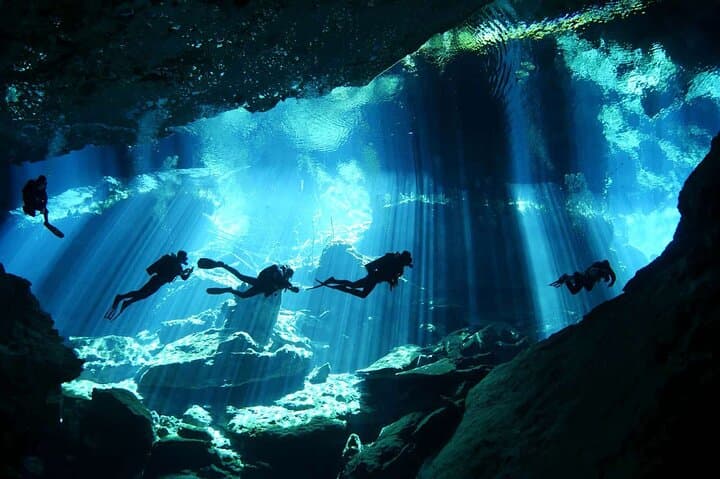
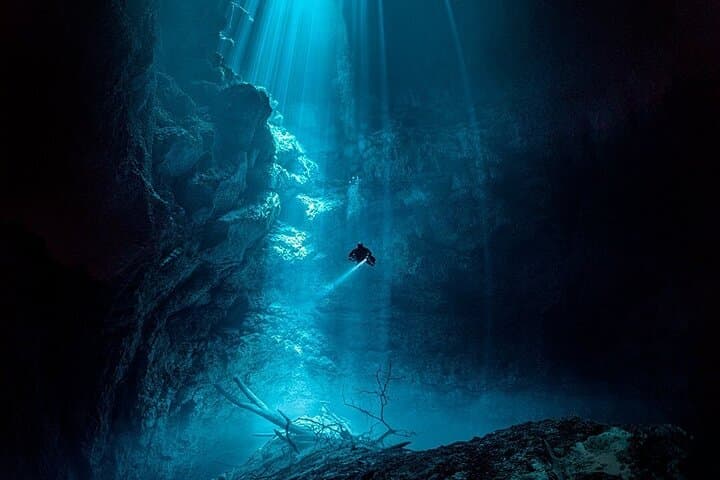
The morning light slices through a circular cenote like a spotlight; the water answers with a glassy mirror that briefly reveals the cave’s first columns before the group descends. Divers adjust their masks, check regulators, and slip into freshwater that feels cool and pure—an underground world where stalactites point down like frozen rain and haloclines blur salt from fresh like a painted line.
Verified experiences and guided adventures in the surrounding area.
Operated by Next Experience Travel · Tulum, Quintana Roo
The morning light slices through a circular cenote like a spotlight; the water answers with a glassy mirror that briefly reveals the cave’s first columns before the group descends. Divers adjust their masks, check regulators, and slip into freshwater that feels cool and pure—an underground world where stalactites point down like frozen rain and haloclines blur salt from fresh like a painted line.
These cenotes sit on Yucatán’s karst limestone, part of the vast underground river networks such as Sac Actun and Dos Ojos. Maya communities once relied on cenotes for drinking water and ritual offerings, giving these caverns cultural as well as geological significance. Expect passages carved over millennia, delicate calcite formations, and the occasional bat or catfish that treats the cavern as its refuge.
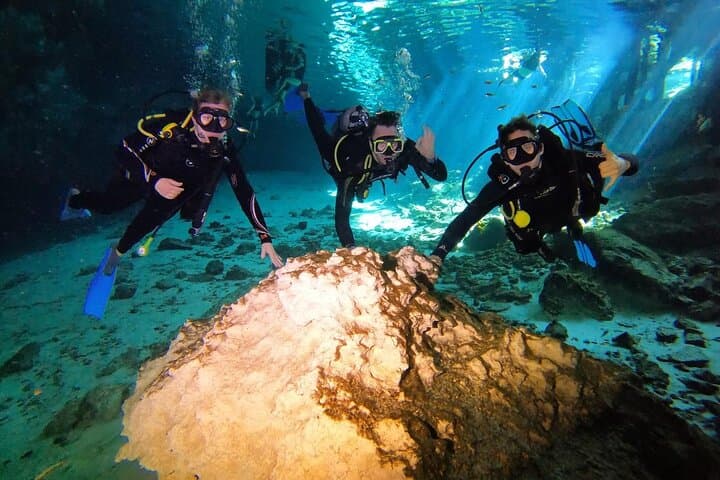
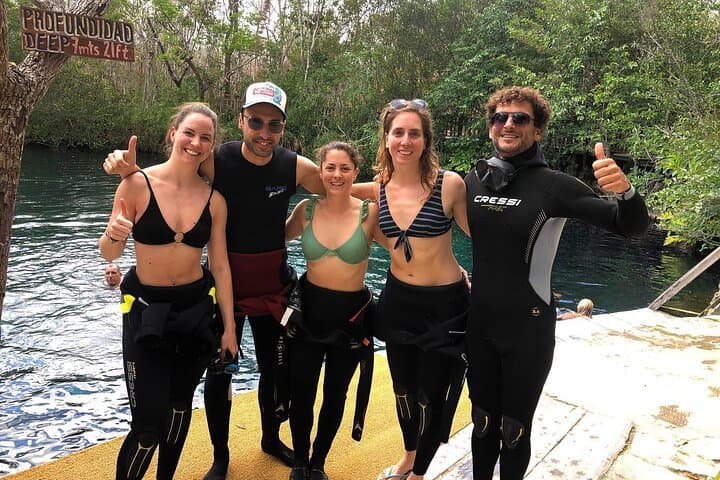
On this 5-hour guided outing, two 40–45 minute dives explore different types of cenotes—open sinkholes and roofed caverns—led by a certified cave instructor in a small group (max 4). Operators supply full SCUBA gear, transport from a meeting point, snacks, and lunch. Practicalities matter: buoyancy control is essential to protect fragile formations and maintain visibility; overhead environments demand discipline and adherence to guide instructions.
Plan for early pickups, hydrate before entering the cave system, and avoid lotions or sunscreens that can contaminate the water. If you haven’t dived in a year, notify guides; certification (PADI Open Water or equivalent) and recent dive experience are required. Follow conservation rules—no touching formations, no fin kicks that stir silt—and you’ll leave with images of cathedral-like chambers and a clearer sense of why cenotes compel divers worldwide.
difficult.
4–5 hours.
Moderate to fit—comfortable swimming, able to carry/handle dive gear and perform controlled breathing and buoyancy.
Yes—PADI Open Water or equivalent is required; cave or cavern specialty training is highly recommended for overhead penetration.
This operator does not allow cameras; ask before booking if photo-friendly options are available or bring a disposable/guide-approved camera.
Age policies vary by operator, but most require participants to meet certification agency minimums (typically 10–12 for junior certifications); confirm when booking.
Inform the operator—they may require a refresher dive or limit penetration depth; honesty ensures safety and better group planning.
Cenotes were vital freshwater sources and ritual sites for Maya communities; many local cenotes retain archaeological importance and cultural lore.
Cenote environments are fragile—avoid touching formations, use biodegradable products, and follow guide rules to minimize silt disturbance and contamination.
Next Experience Travel operates guided outdoor trips and adventures with an emphasis on safety, stewardship, and memorable experiences.
The morning light slices through a circular cenote like a spotlight; the water answers with a glassy mirror that briefly reveals the cave’s first columns before the group descends. Divers adjust their masks, check regulators, and slip into freshwater that feels cool and pure—an underground world where stalactites point down like frozen rain and haloclines blur salt from fresh like a painted line.
The morning light slices through a circular cenote like a spotlight; the water answers with a glassy mirror that briefly reveals the cave’s first columns before the group descends. Divers adjust their masks, check regulators, and slip into freshwater that feels cool and pure—an underground world where stalactites point down like frozen rain and haloclines blur salt from fresh like a painted line.
These cenotes sit on Yucatán’s karst limestone, part of the vast underground river networks such as Sac Actun and Dos Ojos. Maya communities once relied on cenotes for drinking water and ritual offerings, giving these caverns cultural as well as geological significance. Expect passages carved over millennia, delicate calcite formations, and the occasional bat or catfish that treats the cavern as its refuge.
On this 5-hour guided outing, two 40–45 minute dives explore different types of cenotes—open sinkholes and roofed caverns—led by a certified cave instructor in a small group (max 4). Operators supply full SCUBA gear, transport from a meeting point, snacks, and lunch. Practicalities matter: buoyancy control is essential to protect fragile formations and maintain visibility; overhead environments demand discipline and adherence to guide instructions.
Plan for early pickups, hydrate before entering the cave system, and avoid lotions or sunscreens that can contaminate the water. If you haven’t dived in a year, notify guides; certification (PADI Open Water or equivalent) and recent dive experience are required. Follow conservation rules—no touching formations, no fin kicks that stir silt—and you’ll leave with images of cathedral-like chambers and a clearer sense of why cenotes compel divers worldwide.