THE ADVENTURE COLLECTIVE® · Independent discovery and booking for outdoor travel

Spend a morning among the cliffside Maya ruins of Tulum then wade into a crystalline cenote for a refreshing swim. This 5–6 hour day trip combines archaeology, geology and easy aquatic adventure—ideal for travelers seeking a concise introduction to the Yucatán’s coastal heritage.
Spend a morning among the cliffside Maya ruins of Tulum then wade into a crystalline cenote for a refreshing swim. This 5–6 hour day trip combines archaeology, geology and easy aquatic adventure—ideal for travelers seeking a concise introduction to the Yucatán’s coastal heritage.
The morning air tastes of salt and limestone as the tour reaches the cliff-edge ruins of Tulum. Sunlight slides across low stone walls and the Caribbean glints below; guides move groups between El Castillo and the restored temples while trade winds press cool breath to the skin. The pace is deliberate—photo stops, short walks, and time to absorb a place where sea and architecture meet.
Verified experiences and guided adventures in the surrounding area.
Operated by Moka Tours · Tulum, Quintana Roo
The morning air tastes of salt and limestone as the tour reaches the cliff-edge ruins of Tulum. Sunlight slides across low stone walls and the Caribbean glints below; guides move groups between El Castillo and the restored temples while trade winds press cool breath to the skin. The pace is deliberate—photo stops, short walks, and time to absorb a place where sea and architecture meet.
Tulum sits on a band of coral limestone formed by ancient reefs; its position on the coast made it a strategic Maya trading post from the Late Postclassic period. The ruins' compact scale and preserved murals offer a direct line to Maya coastal life, while nearby cenotes—collapsed freshwater sinkholes—are geological windows into the Yucatán’s porous bedrock and the aquifer beneath.
After the archaeological visit the group moves inland to a cenote: a green-blue pool framed by roots and fern-shaded ledges. Water invites swimmers; snorkeling gear is commonly provided and the water’s clarity reveals submerged rock formations and sunlight bands that move like fingers along the cavern.
Practical guidance: expect a 5–6 hour excursion with short, mostly flat walks and some stair sections at the archaeological site. Bring biodegradable sunscreen, a towel, quick-dry swimwear, and a lightweight dry bag for your phone. Hydrate before and after the cenote dip—freshwater can feel chillier than surface temperature suggests. Midday is busiest; early departures mean smaller crowds at the ruins and clearer light for photography. Respect signage at both sites: some areas are fragile and sacred to local communities.
easy.
5–6 hours.
Suitable for most fitness levels; requires short walks, stairs and some standing during guided stops.
The experience typically lasts about 5–6 hours, combining a visit to the Tulum archaeological site and a cenote swim.
Yes—this tour includes time for swimming and provides snorkeling equipment; follow the guide’s safety briefing and signage.
According to the itinerary, admission to both the Tulum site and the cenote is included in the tour price.
The tour is listed as suitable for most fitness levels; children can participate but non-swimmers should wear provided flotation or stay in shallow areas as instructed.
Tulum was a Late Postclassic Maya port; its coastal position made it a key trading and navigational site between inland settlements and seafaring routes.
Cenotes feed a fragile aquifer—visitors should avoid sunscreens with harmful chemicals and follow local rules to reduce pollution and protect subterranean ecosystems.
Moka Tours operates guided outdoor trips and adventures with an emphasis on safety, stewardship, and memorable experiences.
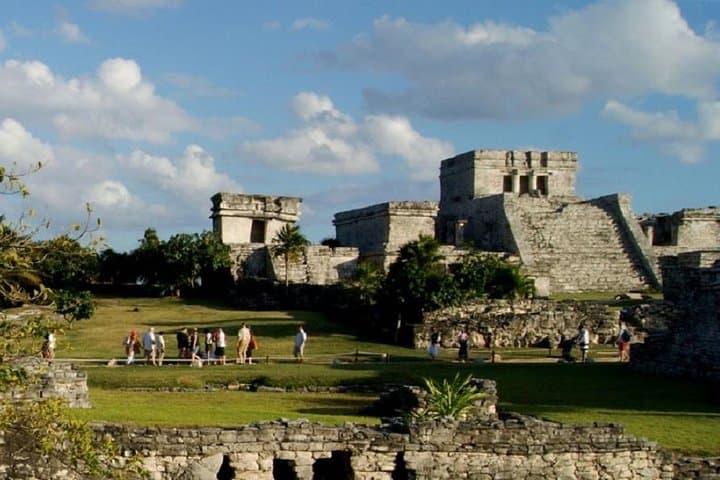
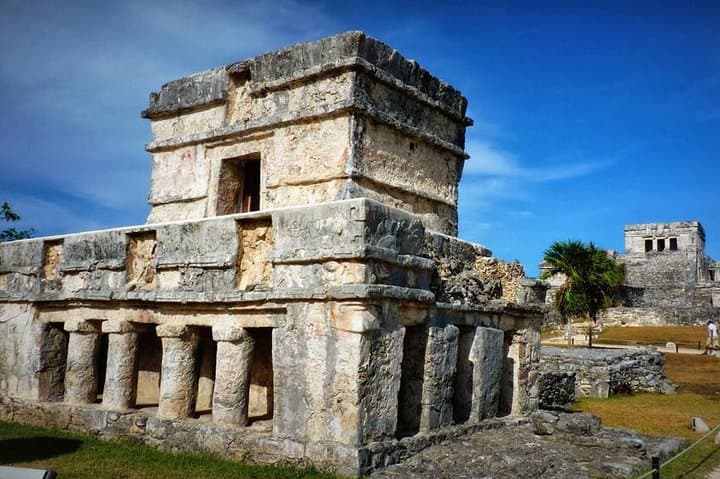
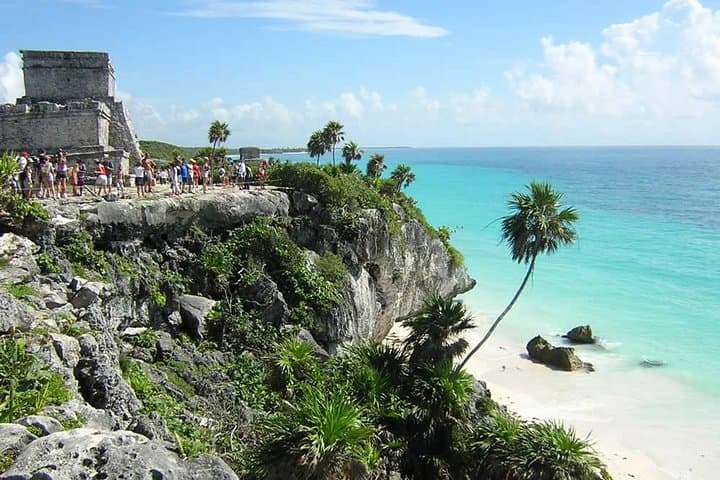
The morning air tastes of salt and limestone as the tour reaches the cliff-edge ruins of Tulum. Sunlight slides across low stone walls and the Caribbean glints below; guides move groups between El Castillo and the restored temples while trade winds press cool breath to the skin. The pace is deliberate—photo stops, short walks, and time to absorb a place where sea and architecture meet.
The morning air tastes of salt and limestone as the tour reaches the cliff-edge ruins of Tulum. Sunlight slides across low stone walls and the Caribbean glints below; guides move groups between El Castillo and the restored temples while trade winds press cool breath to the skin. The pace is deliberate—photo stops, short walks, and time to absorb a place where sea and architecture meet.
Tulum sits on a band of coral limestone formed by ancient reefs; its position on the coast made it a strategic Maya trading post from the Late Postclassic period. The ruins' compact scale and preserved murals offer a direct line to Maya coastal life, while nearby cenotes—collapsed freshwater sinkholes—are geological windows into the Yucatán’s porous bedrock and the aquifer beneath.
After the archaeological visit the group moves inland to a cenote: a green-blue pool framed by roots and fern-shaded ledges. Water invites swimmers; snorkeling gear is commonly provided and the water’s clarity reveals submerged rock formations and sunlight bands that move like fingers along the cavern.
Practical guidance: expect a 5–6 hour excursion with short, mostly flat walks and some stair sections at the archaeological site. Bring biodegradable sunscreen, a towel, quick-dry swimwear, and a lightweight dry bag for your phone. Hydrate before and after the cenote dip—freshwater can feel chillier than surface temperature suggests. Midday is busiest; early departures mean smaller crowds at the ruins and clearer light for photography. Respect signage at both sites: some areas are fragile and sacred to local communities.