THE ADVENTURE COLLECTIVE® · Independent discovery and booking for outdoor travel

Walk the Tulum ruins at your own pace with a first-person audio guide speaking as the Halach Uinic. This one-hour self-guided tour pairs coastal views and archaeological detail with offline maps and chapters for flexible exploration.
Walk the Tulum ruins at your own pace with a first-person audio guide speaking as the Halach Uinic. This one-hour self-guided tour pairs coastal views and archaeological detail with offline maps and chapters for flexible exploration.
You step through the low stone arch and the Caribbean wind greets you—salt on the air, the cliff dropping away to a narrow beach below. The narrator, speaking as the Halach Uinic, moves like a local guide in your ear: measured, personal, and rooted in the ruins you’re walking past. For the next hour the stones speak through him—about power, ceremony, and a city that looked seaward for trade and defense.
Verified experiences and guided adventures in the surrounding area.
Operated by SOUNDWALKRS · Tulum, Quintana Roo
You step through the low stone arch and the Caribbean wind greets you—salt on the air, the cliff dropping away to a narrow beach below. The narrator, speaking as the Halach Uinic, moves like a local guide in your ear: measured, personal, and rooted in the ruins you’re walking past. For the next hour the stones speak through him—about power, ceremony, and a city that looked seaward for trade and defense.
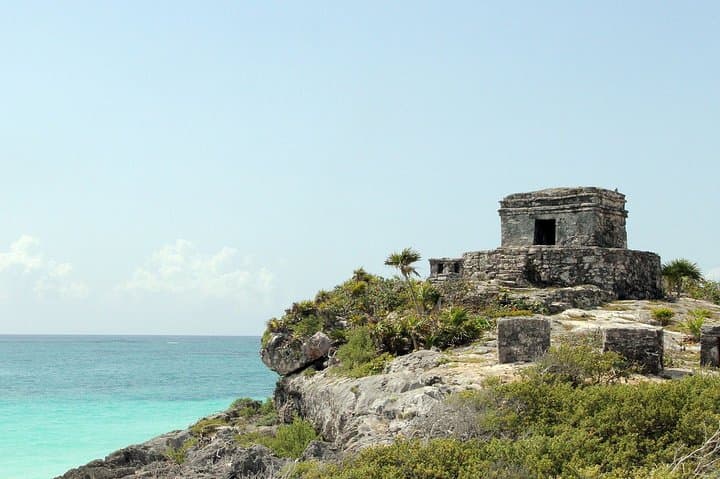
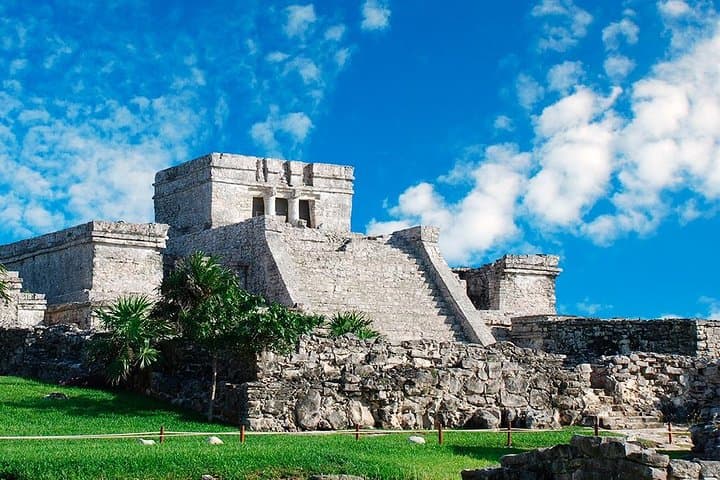
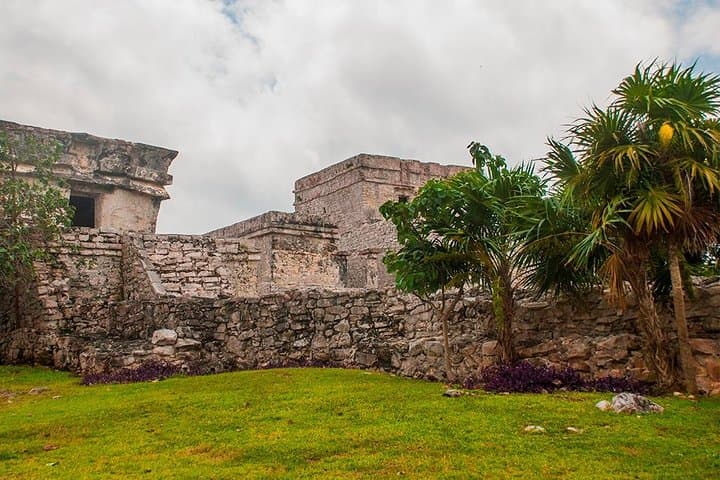
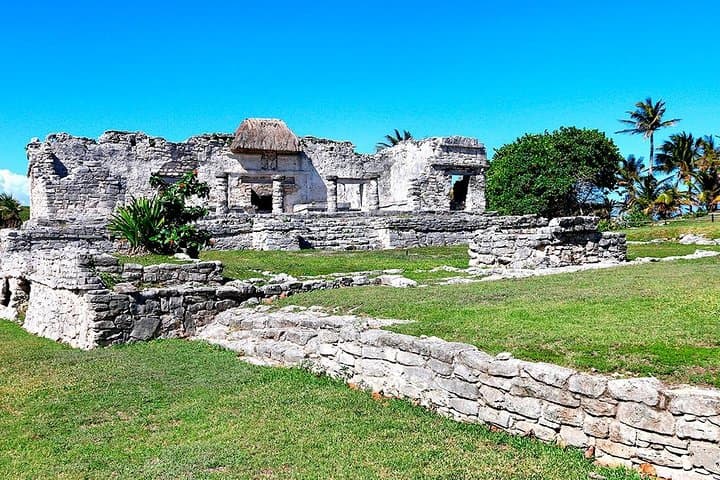
Tulum sits on a limestone bluff carved by reef and sea; the site grew in the late Postclassic (c. 1200–1521 CE) as a coastal trading post of the Maya. The audio highlights key structures: the Temple of the Frescoes with its painted panels, the Halach Uinic’s residence, the Temple of the Descending God, and El Castillo’s cliffside perch. Culture here is coastal and ceremonial—guest offerings and seafaring links shaped daily life. Birdcalls, iguanas sunning on warm masonry, and surf reframe history in the present.
Practical guidance: the tour runs about 60 minutes and uses offline chapters and maps via the Soundwalkrs app; archaeological-zone admission is usually required and not included with the audio. Terrain is mostly flat but uneven—packed earth, carved steps, and sharp limestone; elevation change is negligible but watch your footing on cliff edges. Bring a full water bottle, sun protection, and comfortable walking shoes. Arrive early to avoid heat and crowds and to catch the best light on the murals. The tour notes wheelchair-accessible options, but some surfaces can be rough—check site staff on arrival. Mobile ticketing and 24-hour cancellation make planning flexible.
easy.
1 hour.
Suitable for most fitness levels; involves continuous walking on uneven stone and packed sand.
Yes—the audio tour does not include site admission; buy tickets at the park entrance or authorized vendors in advance to avoid lines.
The tour uses the Soundwalkrs app with offline chapters and maps; download the app and the tour files before arriving if you expect limited signal.
The tour listing notes wheelchair accessibility, but some areas of the site have uneven stone and steps—check with site staff for the best accessible routes on arrival.
Early morning or late afternoon provides cooler temperatures, fewer crowds, and better light for frescoes; midday can be hot and crowded.
Tulum rose in the late Postclassic as a maritime Maya center connected to trade routes; it was still inhabited when Spanish contact disrupted the region in the early 16th century.
The site’s limestone and murals are fragile—stay on marked paths, avoid touching painted surfaces, and support park fees that fund conservation.
SOUNDWALKRS operates guided outdoor trips and adventures with an emphasis on safety, stewardship, and memorable experiences.
You step through the low stone arch and the Caribbean wind greets you—salt on the air, the cliff dropping away to a narrow beach below. The narrator, speaking as the Halach Uinic, moves like a local guide in your ear: measured, personal, and rooted in the ruins you’re walking past. For the next hour the stones speak through him—about power, ceremony, and a city that looked seaward for trade and defense.
You step through the low stone arch and the Caribbean wind greets you—salt on the air, the cliff dropping away to a narrow beach below. The narrator, speaking as the Halach Uinic, moves like a local guide in your ear: measured, personal, and rooted in the ruins you’re walking past. For the next hour the stones speak through him—about power, ceremony, and a city that looked seaward for trade and defense.
Tulum sits on a limestone bluff carved by reef and sea; the site grew in the late Postclassic (c. 1200–1521 CE) as a coastal trading post of the Maya. The audio highlights key structures: the Temple of the Frescoes with its painted panels, the Halach Uinic’s residence, the Temple of the Descending God, and El Castillo’s cliffside perch. Culture here is coastal and ceremonial—guest offerings and seafaring links shaped daily life. Birdcalls, iguanas sunning on warm masonry, and surf reframe history in the present.
Practical guidance: the tour runs about 60 minutes and uses offline chapters and maps via the Soundwalkrs app; archaeological-zone admission is usually required and not included with the audio. Terrain is mostly flat but uneven—packed earth, carved steps, and sharp limestone; elevation change is negligible but watch your footing on cliff edges. Bring a full water bottle, sun protection, and comfortable walking shoes. Arrive early to avoid heat and crowds and to catch the best light on the murals. The tour notes wheelchair-accessible options, but some surfaces can be rough—check site staff on arrival. Mobile ticketing and 24-hour cancellation make planning flexible.