THE ADVENTURE COLLECTIVE® · Independent discovery and booking for outdoor travel

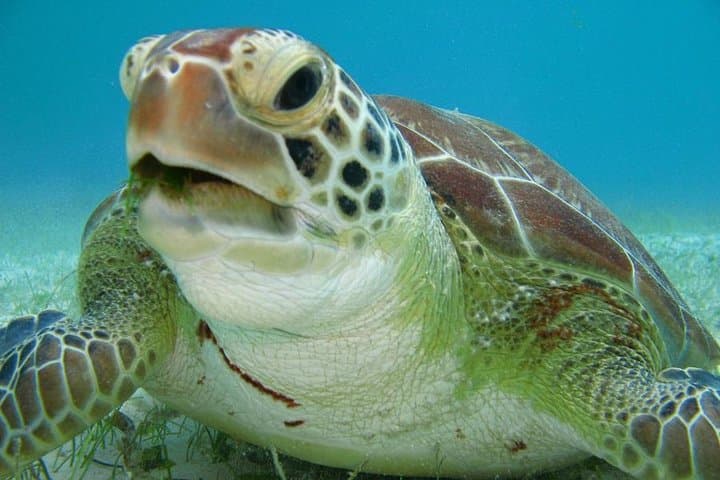
Explore cliff-top Mayan ruins overlooking the Caribbean, then slip into warm, clear waters in search of sea turtles. This half-day tour pairs coastal history with guided snorkeling for a quick but full Riviera Maya experience.
Explore cliff-top Mayan ruins overlooking the Caribbean, then slip into warm, clear waters in search of sea turtles. This half-day tour pairs coastal history with guided snorkeling for a quick but full Riviera Maya experience.
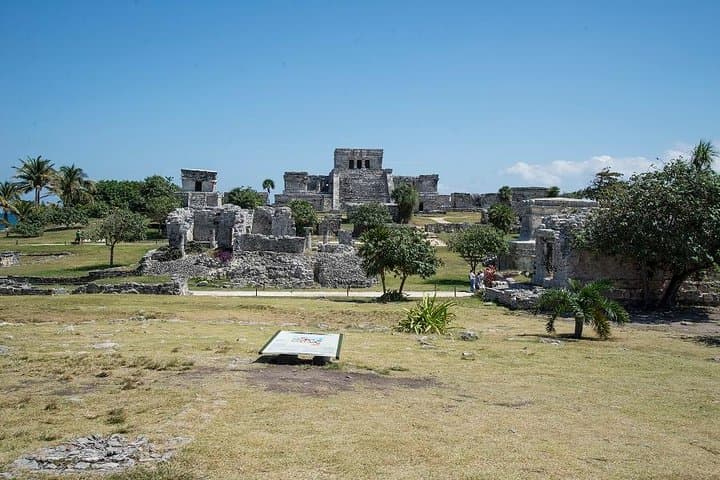
A warm Caribbean wind pushes across the limestone bluff as travelers step onto the open platform of Tulum’s ruins, the turquoise horizon filling the frame like a promise. The castle’s stone faces catch the sun while the sea below hisses and invites — an immediate contrast between an ancient coastal city and the living reef that skirts it.
Verified experiences and guided adventures in the surrounding area.
Operated by Moka Tours · Tulum, Quintana Roo
A warm Caribbean wind pushes across the limestone bluff as travelers step onto the open platform of Tulum’s ruins, the turquoise horizon filling the frame like a promise. The castle’s stone faces catch the sun while the sea below hisses and invites — an immediate contrast between an ancient coastal city and the living reef that skirts it.
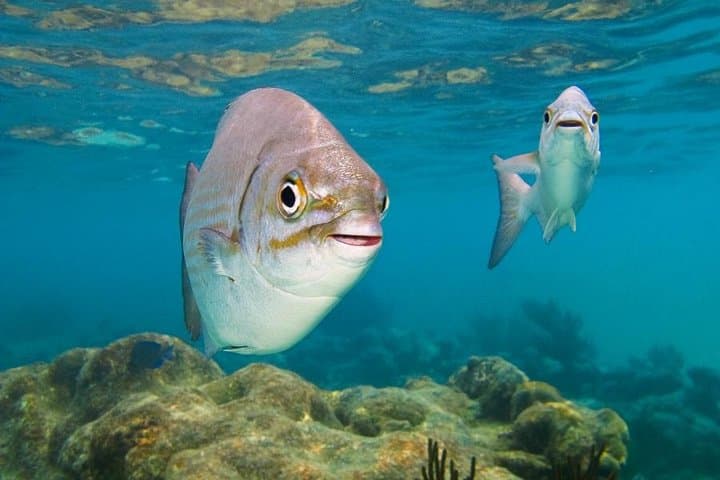
Tulum is a Late Postclassic Maya site that functioned as a maritime trading post; its cliffs and defensive wall speak to coastal strategy as much as ceremony. Geologically the headland is coral limestone and eroded reef, with sandy beaches and underwater limestone formations that provide habitat for turtles and rays.
Culturally, a visit ties colonial and modern-day Riviera Maya life to centuries of Maya maritime trade and coastal ceremony. Locals will point out the Temple of the Frescoes and the Descending God motif, small details that make the site more than a postcard.
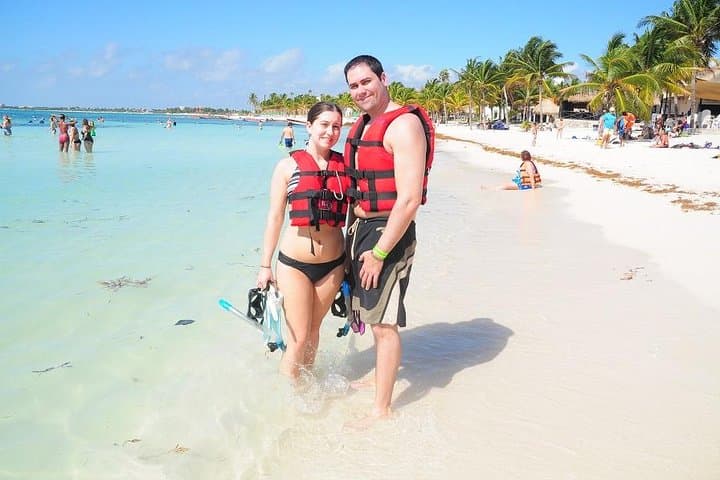
Practical guidance: tours are half-day to full-day, typically 6–7 hours here. Expect two hours at the archaeological site with walking on uneven stone and sun exposure, then a guided snorkel of roughly three hours searching for green and loggerhead turtles in shallow reef channels. Snorkeling equipment is usually provided, but bring a well-fitting mask if you have one. Use reef-safe sunscreen, keep a steady pace in the water, and resist touching reef or turtles; currents can nudge swimmers unexpectedly. Hydrate and wear sturdy sandals or lightweight hiking shoes for the ruins; plan for sun and sudden showers depending on season. This combo offers history and marine life in a single coherent half-day of coastal adventure.
moderate.
6–7 hours.
Moderate fitness: able to walk on uneven ground and swim/snorkel for multiple short sessions
No advanced experience is required, but comfort in shallow open water and the ability to swim are necessary; guides stay nearby and offer basic instruction.
Yes — admission to the Tulum ruins and use of snorkeling equipment are typically included; bottled water and air‑conditioned transport are often provided.
Not recommended for travelers with serious spinal, cardiovascular issues, or pregnancy; the ruins have uneven ground and the snorkel portion requires basic mobility.
Full refunds are usually available if you cancel at least 24 hours before departure; tours may cancel for bad weather.
Tulum was a Late Postclassic Maya walled port important for coastal trade and served as a ceremonial site overlooking key maritime routes.
The reef is sensitive; use reef‑safe products, avoid touching coral or turtles, and follow guide instructions to minimize disturbance.
Moka Tours operates guided outdoor trips and adventures with an emphasis on safety, stewardship, and memorable experiences.
A warm Caribbean wind pushes across the limestone bluff as travelers step onto the open platform of Tulum’s ruins, the turquoise horizon filling the frame like a promise. The castle’s stone faces catch the sun while the sea below hisses and invites — an immediate contrast between an ancient coastal city and the living reef that skirts it.
A warm Caribbean wind pushes across the limestone bluff as travelers step onto the open platform of Tulum’s ruins, the turquoise horizon filling the frame like a promise. The castle’s stone faces catch the sun while the sea below hisses and invites — an immediate contrast between an ancient coastal city and the living reef that skirts it.
Tulum is a Late Postclassic Maya site that functioned as a maritime trading post; its cliffs and defensive wall speak to coastal strategy as much as ceremony. Geologically the headland is coral limestone and eroded reef, with sandy beaches and underwater limestone formations that provide habitat for turtles and rays.
Culturally, a visit ties colonial and modern-day Riviera Maya life to centuries of Maya maritime trade and coastal ceremony. Locals will point out the Temple of the Frescoes and the Descending God motif, small details that make the site more than a postcard.
Practical guidance: tours are half-day to full-day, typically 6–7 hours here. Expect two hours at the archaeological site with walking on uneven stone and sun exposure, then a guided snorkel of roughly three hours searching for green and loggerhead turtles in shallow reef channels. Snorkeling equipment is usually provided, but bring a well-fitting mask if you have one. Use reef-safe sunscreen, keep a steady pace in the water, and resist touching reef or turtles; currents can nudge swimmers unexpectedly. Hydrate and wear sturdy sandals or lightweight hiking shoes for the ruins; plan for sun and sudden showers depending on season. This combo offers history and marine life in a single coherent half-day of coastal adventure.