THE ADVENTURE COLLECTIVE® · Independent discovery and booking for outdoor travel

Combine a cliff-top visit to the Tulum ruins with an off-road ATV blast and a swim in an underground cenote. This full-day trip from Cancun blends Mayan history, jungle riding and cavern snorkeling into one active Riviera Maya experience.
Combine a cliff-top visit to the Tulum ruins with an off-road ATV blast and a swim in an underground cenote. This full-day trip from Cancun blends Mayan history, jungle riding and cavern snorkeling into one active Riviera Maya experience.
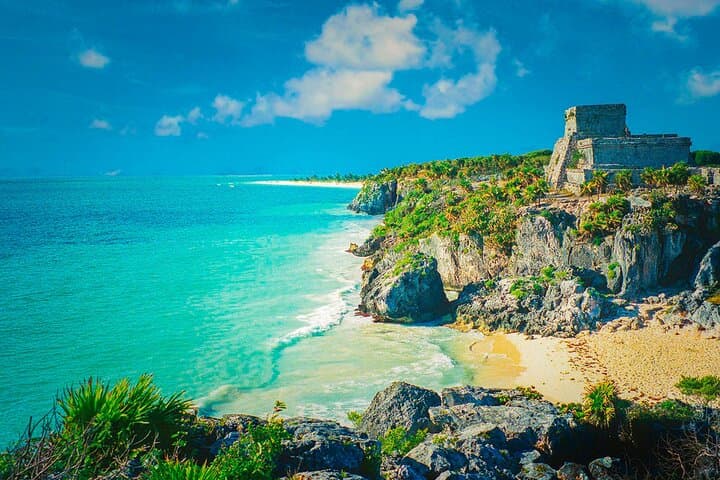
The morning van hums south along the coastal highway and the air changes from hotel-chlorine to salt and green: a low, fragrant jungle pressing to the road. At Tulum the ruins sit on a slab of limestone above the Caribbean, a compact citadel of stone and sea where gulls wheel and waves keep time. That contrast—ancient stone, rumbling engines, and a sudden plunge into crystal groundwater—defines the day.
Verified experiences and guided adventures in the surrounding area.
Operated by Cancun Vacation Experts · Tulum, Quintana Roo
The morning van hums south along the coastal highway and the air changes from hotel-chlorine to salt and green: a low, fragrant jungle pressing to the road. At Tulum the ruins sit on a slab of limestone above the Caribbean, a compact citadel of stone and sea where gulls wheel and waves keep time. That contrast—ancient stone, rumbling engines, and a sudden plunge into crystal groundwater—defines the day.
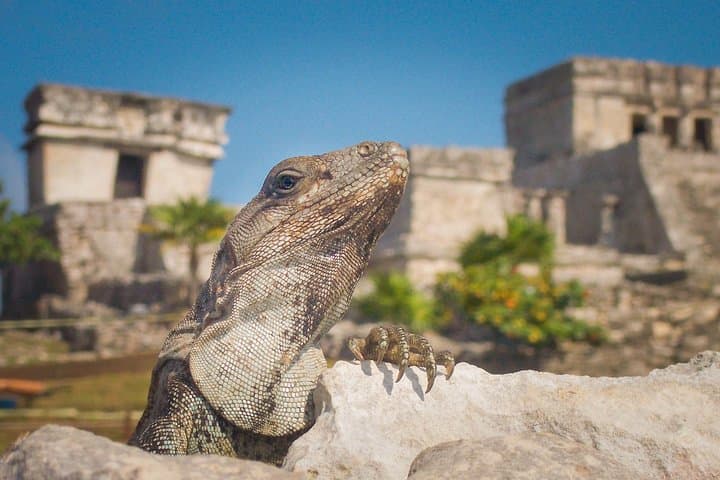
You start with the quiet first: a guided walk through Tulum National Park. Guides point out arrowheads, sea-facing temples and the site's role as a Postclassic Maya port—high walls, trade routes and the rhythms of wind and tide that shaped its place in regional commerce. The limestone cliff is porous and pocked; the same porousness fed the underground rivers that formed the Yucatán’s cenotes. Geology here is direct: karst bedrock, sinkholes and freshwater lenses that make swimming beneath stalactites possible.
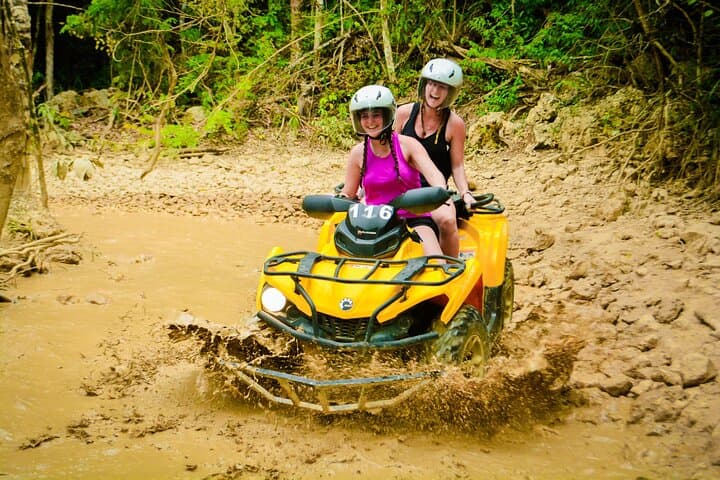
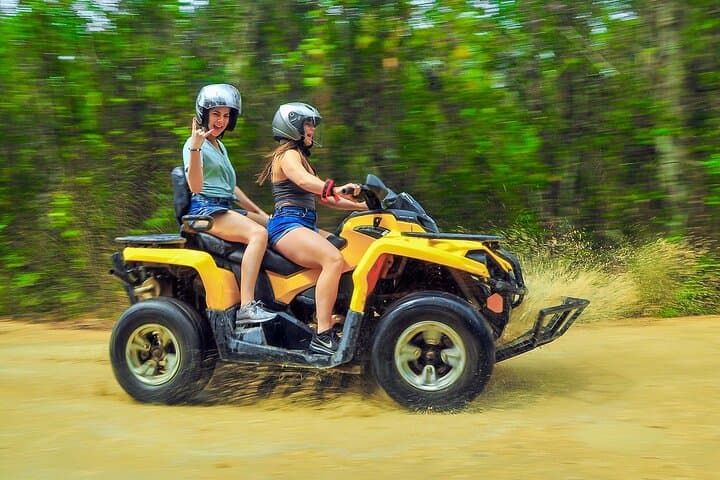
The tempo escalates fast. At a jungle staging area, instructors fit helmets and brief you on hand signals, throttle control and safety zones. The ATVs bite through dust and rutted trail, pushing under a canopy of ceiba and gumbo-limbo. The trail alternates short, fast stretches and technical switchbacks—expect dust, small jumps and occasional muddy puddles after rain. The ride is visceral: the jungle seems to lean in, leaves brushing the bar-ends, while the guide’s laugh ahead marks the next turn.
After the rush comes the cool: a cenote with a cavern that keeps the humidity off your skin. Here, the rock has been patient; stalactites hang like slow punctuation and water holds a green-blue clarity. Snorkel gear is provided—floating in a cenote is a different kind of speed, more geological than athletic, as your mask reveals submerged roots and fossilized shelves.
The day closes in a shaded palapa with a buffet of Mexican dishes and water—solid, simple fuel after six hours on the move. Practicalities matter: this is a physically active day, so hydration, reef-safe sunscreen and firm footwear change the experience from uncomfortable to memorable.
If you go, plan for an early pickup in Cancun, expect a six-hour window, and bring a sense of pacing—curiosity for ruins, appetite for speed and respect for fragile cave systems. The result is a compact Riviera Maya sampler: an archaeological primer, a dirt-scented adrenaline fix and a freshwater reset in caves older than the towns that send you here.
moderate.
6 hours.
Should have a moderate level of fitness—able to climb steps at ruins, handle short bursts of ATV control and swim/snorkel.
No prior experience is required—guides provide instruction and supervise groups, but you should be comfortable operating a throttle and braking on uneven terrain.
Operators typically set minimum age and weight limits for safety; check booking details and disclose ages when you book so the operator can assign appropriate vehicles.
Yes—life jackets are provided. Non-swimmers can still enjoy shallow edges and guided floats, though snorkeling deeper sections requires basic comfort in water.
Bring a hat, small daypack, water bottle, and comfortable shoes—the site has stairs and some exposed sun. Cameras are allowed but use straps on cliff edges.
On-vehicle photography is common but keep gear secured; use a wrist strap or chest mount and avoid stopping on the main road. Underwater cameras are fine in the cenote.
Full refunds are typically available if you cancel at least 24 hours before departure; check your booking confirmation for exact terms and weather-related changes.
Tulum was a prominent Postclassic Maya port—walled and compact—serving as a trading hub between mainland Maya and maritime routes along the Caribbean.
Cenotes are delicate freshwater systems; operators follow rules to limit chemicals and physical contact. Use reef-safe products and follow guide instructions to minimize impact.
Cancun Vacation Experts operates guided outdoor trips and adventures with an emphasis on safety, stewardship, and memorable experiences.
The morning van hums south along the coastal highway and the air changes from hotel-chlorine to salt and green: a low, fragrant jungle pressing to the road. At Tulum the ruins sit on a slab of limestone above the Caribbean, a compact citadel of stone and sea where gulls wheel and waves keep time. That contrast—ancient stone, rumbling engines, and a sudden plunge into crystal groundwater—defines the day.
The morning van hums south along the coastal highway and the air changes from hotel-chlorine to salt and green: a low, fragrant jungle pressing to the road. At Tulum the ruins sit on a slab of limestone above the Caribbean, a compact citadel of stone and sea where gulls wheel and waves keep time. That contrast—ancient stone, rumbling engines, and a sudden plunge into crystal groundwater—defines the day.
You start with the quiet first: a guided walk through Tulum National Park. Guides point out arrowheads, sea-facing temples and the site's role as a Postclassic Maya port—high walls, trade routes and the rhythms of wind and tide that shaped its place in regional commerce. The limestone cliff is porous and pocked; the same porousness fed the underground rivers that formed the Yucatán’s cenotes. Geology here is direct: karst bedrock, sinkholes and freshwater lenses that make swimming beneath stalactites possible.
The tempo escalates fast. At a jungle staging area, instructors fit helmets and brief you on hand signals, throttle control and safety zones. The ATVs bite through dust and rutted trail, pushing under a canopy of ceiba and gumbo-limbo. The trail alternates short, fast stretches and technical switchbacks—expect dust, small jumps and occasional muddy puddles after rain. The ride is visceral: the jungle seems to lean in, leaves brushing the bar-ends, while the guide’s laugh ahead marks the next turn.
After the rush comes the cool: a cenote with a cavern that keeps the humidity off your skin. Here, the rock has been patient; stalactites hang like slow punctuation and water holds a green-blue clarity. Snorkel gear is provided—floating in a cenote is a different kind of speed, more geological than athletic, as your mask reveals submerged roots and fossilized shelves.
The day closes in a shaded palapa with a buffet of Mexican dishes and water—solid, simple fuel after six hours on the move. Practicalities matter: this is a physically active day, so hydration, reef-safe sunscreen and firm footwear change the experience from uncomfortable to memorable.
If you go, plan for an early pickup in Cancun, expect a six-hour window, and bring a sense of pacing—curiosity for ruins, appetite for speed and respect for fragile cave systems. The result is a compact Riviera Maya sampler: an archaeological primer, a dirt-scented adrenaline fix and a freshwater reset in caves older than the towns that send you here.