THE ADVENTURE COLLECTIVE® · Independent discovery and booking for outdoor travel

Explore sea-facing Maya ruins at Tulum, climb Nohoch Mul at Coba, and snorkel a stalactite‑lined cenote on this private full‑day tour. Expect guided history, moderate walking, and included lunch and snorkeling gear.
Explore sea-facing Maya ruins at Tulum, climb Nohoch Mul at Coba, and snorkel a stalactite‑lined cenote on this private full‑day tour. Expect guided history, moderate walking, and included lunch and snorkeling gear.
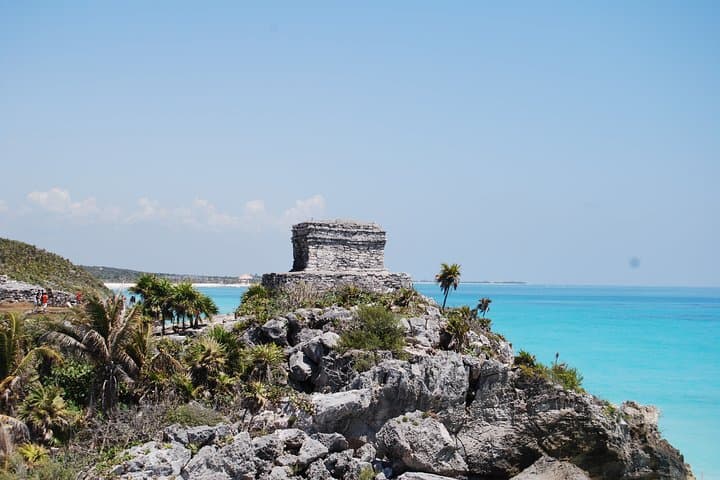
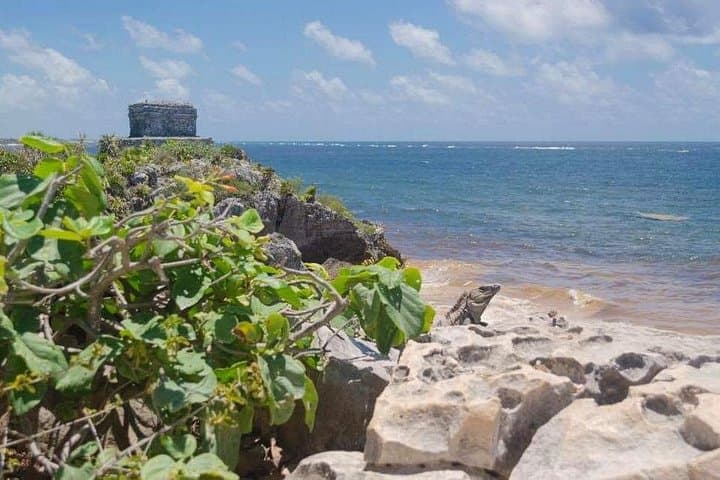
Salt air, limestone cliffs and the slow sweep of jungle set the scene as you step onto the Tulum archaeological site—Maya stonework facing the Caribbean that still feels like a place of lookout and passage. Your guide outlines coastal defense, trade routes and the rituals that shaped this sea-facing city before you have free time to move through the plazas and terraces.
Verified experiences and guided adventures in the surrounding area.
Operated by EcoColors Mexico · Tulum, Quintana Roo
Salt air, limestone cliffs and the slow sweep of jungle set the scene as you step onto the Tulum archaeological site—Maya stonework facing the Caribbean that still feels like a place of lookout and passage. Your guide outlines coastal defense, trade routes and the rituals that shaped this sea-facing city before you have free time to move through the plazas and terraces.
A short drive inland brings a different pulse at Coba: low jungle, gravel paths, and the long white lines of sacbé (ancient raised roads). Expect roughly a 3-mile loop if you follow the main trails; bicycles are often available. The climb up Nohoch Mul—the tallest Mayan pyramid open to the public at roughly 130 ft (42 m)—rewards with a tree-hemmed view rather than a sweeping panorama, and a palpable sense of vertical time.
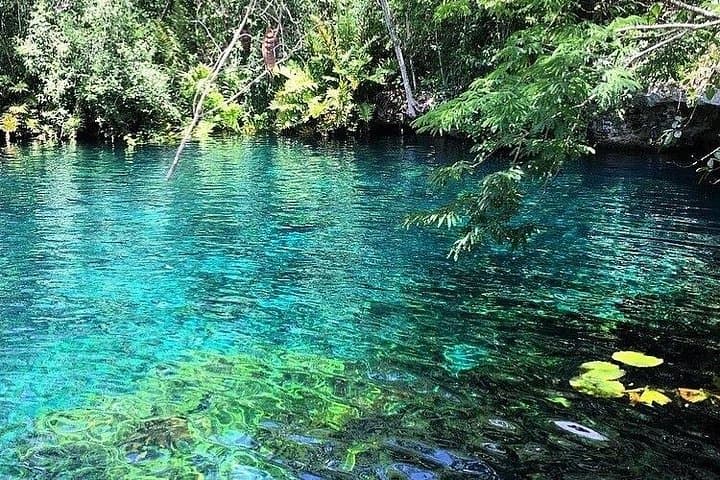
The day closes in cool freshwater: a cenote where sunlight pricks the cave, stalactites and stalagmites listening to your breathing while you snorkel through crystal water. Geology meets ritual here—limestone dissolution created the caverns the Maya considered portals to the underworld.
Practical notes: the tour runs about nine hours and includes bilingual guiding, entrance fees, lunch, bottled water and snorkeling gear. Wear sturdy, quick-dry shoes, sun protection and a swim layer under your clothes for easy change. Bring a small daypack, insect repellent and enough curiosity to ask about sacbé construction, Mayan astronomy and cenote formation. Guides emphasize respect for fragile ruins and encourage carrying out any trash. Timing your visit early in the morning reduces heat and tourist density; late afternoon light is best for photos in the cenote.
moderate.
8–9 hours.
Suitable for travelers with basic fitness who can walk 2–3 miles, climb stairs/steep steps, and swim or be comfortable with snorkeling
Yes—entrance fees to Tulum and Coba, transport in an air-conditioned vehicle, lunch, bottled beverages and snorkeling equipment are included.
Visitors are typically permitted to climb Nohoch Mul; the pyramid is steep and uneven, so take care and use handholds where available.
Snorkeling equipment and life jackets are provided, but non-swimmers should inform the guide and stay in shallow areas or use a life jacket.
The operator notes the tour is suitable for all fitness levels, but parents should consider children’s comfort with heat, long drives, and climbing stairs.
Tulum was a late‑Postclassic Maya port with defensive walls and trade ties across the Caribbean; Coba served as a regional center connected by long sacbé causeways.
Sites are managed to limit erosion and visitor impact; follow guides' instructions, avoid touching fragile carvings and use reef‑safe sunscreen to protect aquatic environments.
EcoColors Mexico operates guided outdoor trips and adventures with an emphasis on safety, stewardship, and memorable experiences.
Salt air, limestone cliffs and the slow sweep of jungle set the scene as you step onto the Tulum archaeological site—Maya stonework facing the Caribbean that still feels like a place of lookout and passage. Your guide outlines coastal defense, trade routes and the rituals that shaped this sea-facing city before you have free time to move through the plazas and terraces.
Salt air, limestone cliffs and the slow sweep of jungle set the scene as you step onto the Tulum archaeological site—Maya stonework facing the Caribbean that still feels like a place of lookout and passage. Your guide outlines coastal defense, trade routes and the rituals that shaped this sea-facing city before you have free time to move through the plazas and terraces.
A short drive inland brings a different pulse at Coba: low jungle, gravel paths, and the long white lines of sacbé (ancient raised roads). Expect roughly a 3-mile loop if you follow the main trails; bicycles are often available. The climb up Nohoch Mul—the tallest Mayan pyramid open to the public at roughly 130 ft (42 m)—rewards with a tree-hemmed view rather than a sweeping panorama, and a palpable sense of vertical time.
The day closes in cool freshwater: a cenote where sunlight pricks the cave, stalactites and stalagmites listening to your breathing while you snorkel through crystal water. Geology meets ritual here—limestone dissolution created the caverns the Maya considered portals to the underworld.
Practical notes: the tour runs about nine hours and includes bilingual guiding, entrance fees, lunch, bottled water and snorkeling gear. Wear sturdy, quick-dry shoes, sun protection and a swim layer under your clothes for easy change. Bring a small daypack, insect repellent and enough curiosity to ask about sacbé construction, Mayan astronomy and cenote formation. Guides emphasize respect for fragile ruins and encourage carrying out any trash. Timing your visit early in the morning reduces heat and tourist density; late afternoon light is best for photos in the cenote.